
What is an oiled floor?
An oiled floor uses a finish that works differently from many lacquer systems. Instead of relying only on a surface coating, oil finishes sit closer to the timber and help enhance its natural character.
This is one reason homeowners choose oiled floors. They can show grain, knots, colour variation and texture in a way that feels warm and natural.
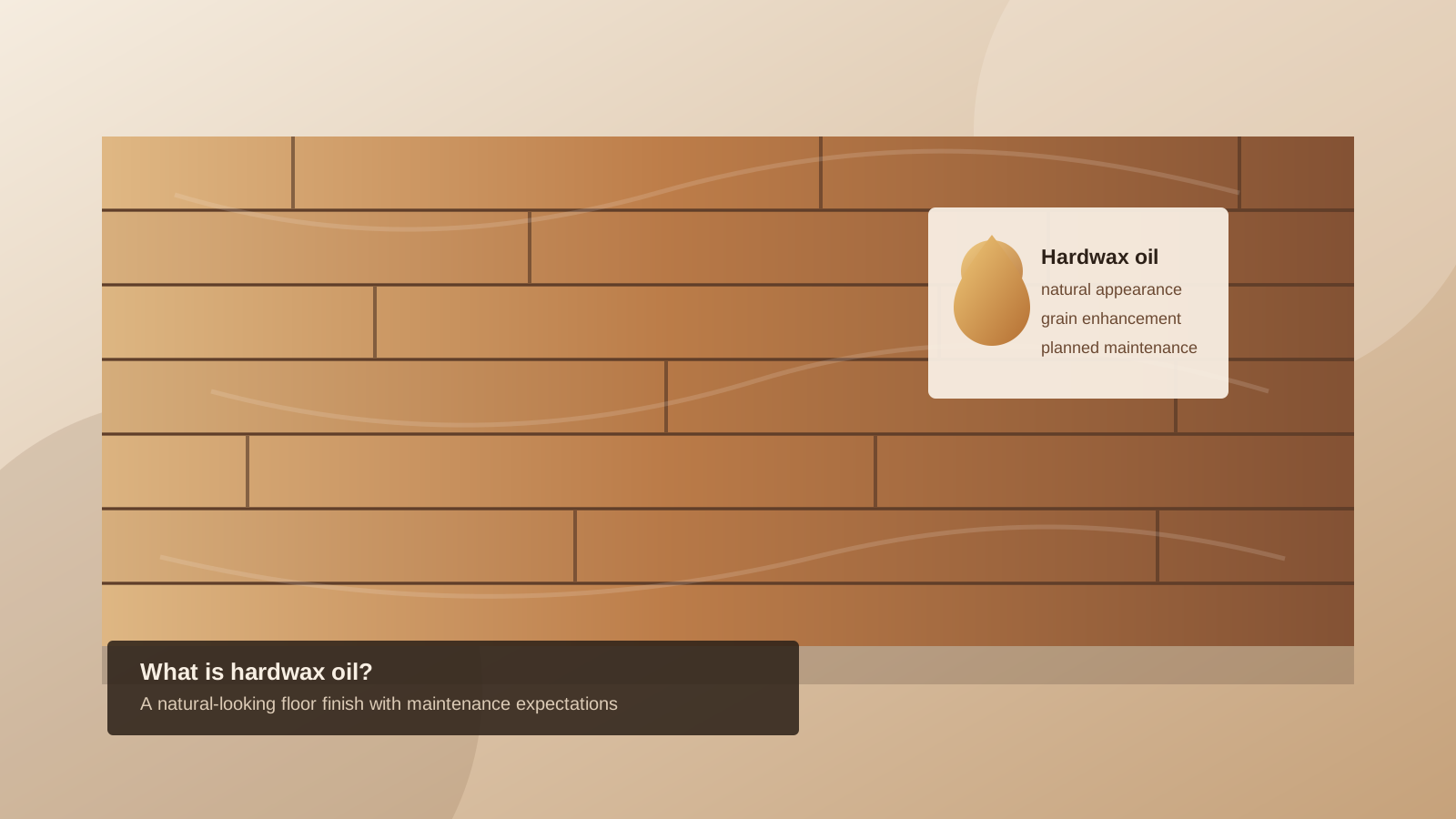
Different oil systems behave differently. Some are traditional oils, while others include wax components or hardwax oil technology. Our guide to hardwax oil explains how those systems protect timber while maintaining a natural appearance.
The important point is that an oiled floor should not be maintained exactly like a lacquered floor. Cleaning products, moisture levels and refresh routines all need to suit the finish.
When maintained well, an oiled floor can age attractively and retain the tactile character many homeowners like. When maintenance is neglected, it can become dry, patchy or more vulnerable to dirt and moisture.
Why maintenance matters
Maintenance matters because oil finishes rely on ongoing protection. The finish helps resist everyday dirt and wear, but it can gradually become tired in busy areas.
High-traffic routes often show changes first. Hallways, kitchens, doorways, dining areas and routes to external doors may become duller or drier than quieter parts of the room.
If an oiled floor is maintained proactively, these changes can often be managed before the timber becomes exposed or heavily marked.
Waiting until the floor looks obviously worn can make the next step more involved. A small maintenance refresh may no longer be enough if dirt, moisture or staining has reached the timber.
Appearance retention is another reason maintenance matters. Oiled floors are often chosen because they look natural, so keeping that balanced appearance is part of the ownership routine.
This does not make oiled floors impractical. It simply means they suit homeowners who understand that the finish needs periodic care rather than being forgotten between deep cleans.
Routine cleaning for oiled floors
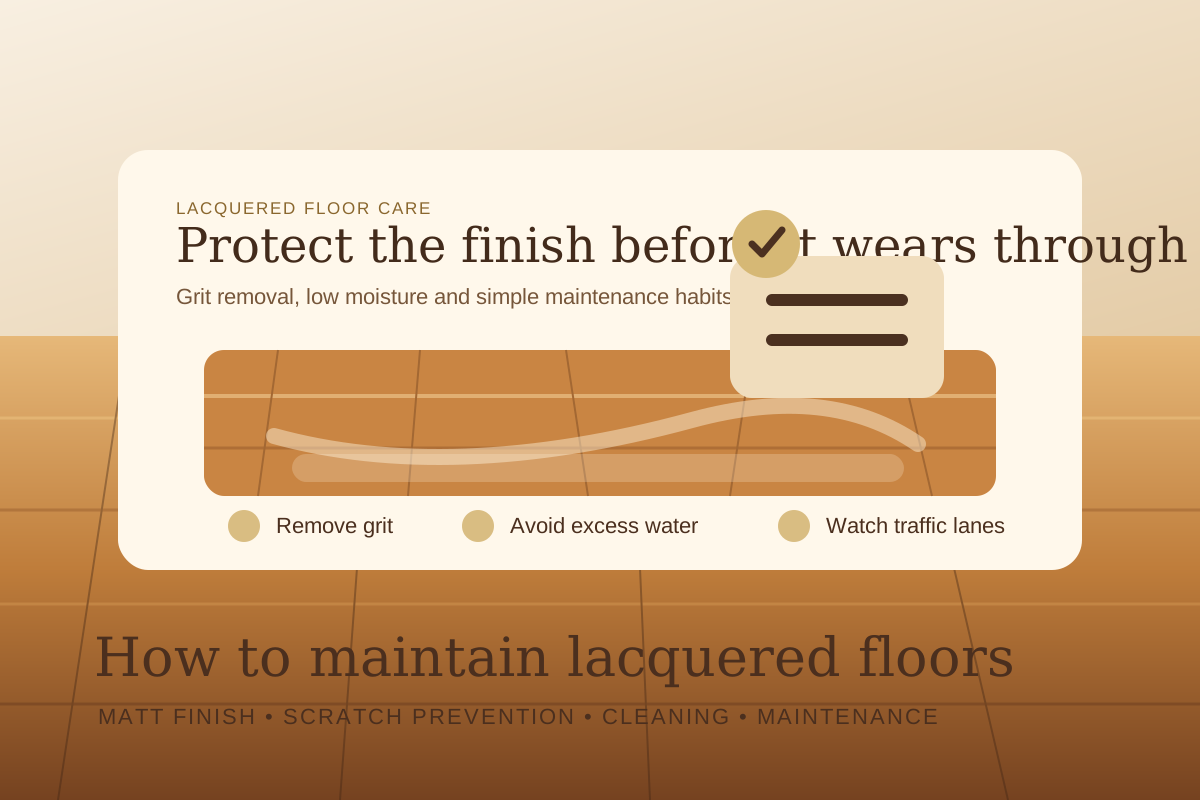
Routine cleaning for oiled floors should be gentle, consistent and low-moisture. The aim is to remove grit and dirt without stripping, soaking or contaminating the finish.
Vacuuming or sweeping is usually the starting point. Use tools suitable for hard floors and avoid rough brush heads, damaged wheels or anything that could mark the surface.
Dust removal matters because fine particles can abrade the finish when walked across repeatedly. In busy homes, removing grit regularly is one of the most important maintenance tasks.
Microfibre cleaning can be useful when used correctly. The pad should be clean and only lightly damp where damp cleaning is appropriate. The floor should dry quickly after cleaning.
Avoid soaking mops, harsh detergents and generic household cleaners that are not suitable for oiled timber. These can leave residues, dull the finish or interfere with future maintenance treatments.
Our guide on how to clean a wooden floor properly explains safe cleaning routines that apply across different finish types.
Dealing with spills and stains
Spills should be cleaned promptly on any wooden floor, but this is especially important where the finish is worn, dry or open to moisture.
Timber and standing moisture rarely work well together. If liquid sits on the surface or travels into gaps, edges or damaged areas, it can contribute to staining, swelling or darker marks.
Use a suitable cleaning method for the finish and avoid scrubbing aggressively. Abrasive pads can damage the surface and make the area more vulnerable in future.
Food, drink, mud and pet accidents should be dealt with quickly. Once staining settles into timber, it can be harder to improve with routine cleaning alone.
Water bowls, plant pots and door mats should be checked regularly so dampness is not trapped against the floor.
If moisture has already caused dark marks, lifting or staining, our guide to water damaged wooden floors explains when repair or restoration may still be possible.
Refreshing an oiled floor
Oiled floors often require periodic attention to maintain their appearance and protection. The right refresh approach depends on the product system, traffic levels and current floor condition.
A refresh may involve cleaning, preparing the surface and applying a compatible maintenance treatment. The purpose is to restore protection before the floor becomes dry, dull or vulnerable.
High-traffic areas usually need attention first. Doorways, kitchens, hallways and spaces around dining tables tend to show wear sooner than bedrooms or quiet sitting rooms.
Refresh timing should be based on condition rather than a rigid calendar. A busy home with dogs, outdoor shoes and frequent cleaning may need attention sooner than a quiet room with little traffic.
The existing finish must also be considered. Applying the wrong product can create patchiness, residues or future adhesion problems.
If the floor is already heavily worn, stained or scratched through to the timber, a simple refresh may not be enough. In those cases, professional assessment can help decide whether maintenance, restoration or sanding is more appropriate.
Common maintenance mistakes
The most common maintenance mistakes are usually made with good intentions. Homeowners want the floor to look clean, but the method can be too aggressive for timber.
Excessive water is one of the biggest problems. A wet mop can push moisture into joints, gaps and worn areas, especially on older boards, parquet or engineered floors.
Incorrect cleaning products can also cause issues. Some products leave residues, strip the finish, create a dull surface or make future maintenance treatments less effective.
Ignoring wear is another common mistake. Oiled floors often benefit from proactive care. Waiting until traffic lanes are dry, grey or exposed can turn a small maintenance job into a larger restoration project.
Delaying maintenance can also make stains more visible because dirt and moisture have more opportunity to reach the timber.
Our guide to what should never be used on a wooden floor covers excessive water, harsh chemicals, abrasive pads and unsuitable household cleaners in more detail.
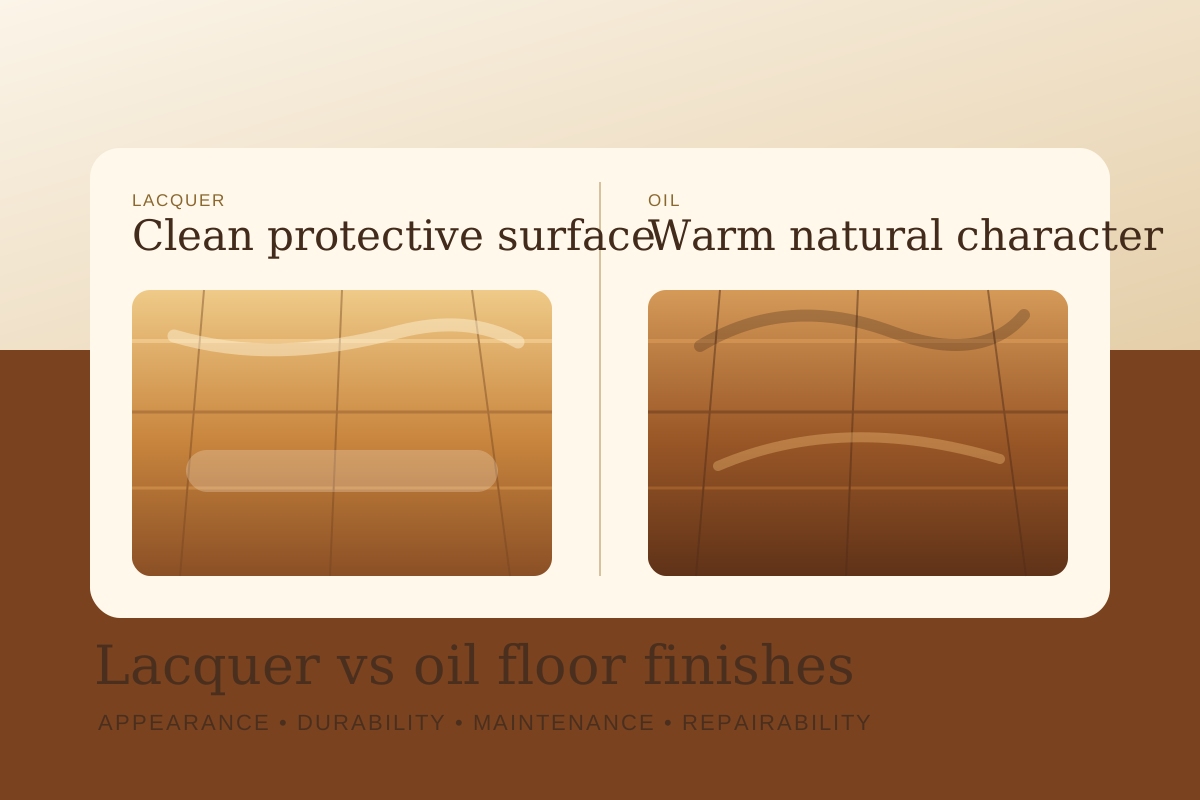
Oiled floors versus lacquered floors
Oiled and lacquered floors can both be excellent choices, but they suit different expectations. Neither system is automatically better in every home.
Oiled floors are often chosen for natural appearance, grain enhancement and repairability. They can suit period properties, character floors and homeowners who enjoy maintaining timber as a natural material.
The trade-off is maintenance. Oiled floors usually require more ongoing involvement, compatible cleaning and periodic refreshing to keep the timber protected.
Lacquered floors form a protective surface coating. They are often chosen for busy family homes because routine maintenance is generally lower and cleaning is straightforward when the finish is intact.
Many WoodXpert customers ultimately choose modern lacquer systems such as Bona Traffic HD because they offer excellent durability and lower ongoing maintenance requirements. That is an observation about practical priorities, not a criticism of oil finishes.
Our lacquer vs oil guide compares appearance, durability, repairability and maintenance in more detail.
Quick maintenance guide
Use this as a practical starting point for oiled floor care. The specific product system and floor condition should always guide the final maintenance approach.
Frequently Asked Questions
How do I maintain an oiled floor?
Maintain an oiled floor by removing grit regularly, cleaning with suitable low-moisture methods, dealing with spills promptly and refreshing the finish when wear starts to show.
Do oiled floors need more maintenance than lacquered floors?
Usually, yes. Oiled floors often need more ongoing care and periodic refreshing, while lacquered floors generally have lower routine maintenance when the coating is intact.
Can I use water on an oiled floor?
Use only controlled moisture and suitable cleaning methods. Avoid soaking mops, standing water and harsh cleaning products because they can damage the finish or timber.
How often should an oiled floor be refreshed?
Refresh timing depends on traffic, finish type, cleaning habits and floor condition. Busy areas usually need attention before quiet rooms.
Can scratches be repaired on oiled floors?
Some scratches and worn areas on oiled floors can be maintained or repaired locally, depending on depth, finish compatibility and the condition of the surrounding floor.
Why do many homeowners choose lacquer instead?
Many homeowners choose lacquer because it offers durable surface protection and usually requires less ongoing maintenance, especially in busy family homes.