What is a lacquered floor?
A lacquered floor has a protective coating over the timber surface. The lacquer acts as a clear wear layer, helping protect the wood beneath from everyday dirt, spills and abrasion.
Modern floor lacquers are popular because they can provide strong practical protection while still allowing the timber to look natural. Depending on the chosen finish, a lacquered floor may have a matt, extra matt or satin appearance.
Lacquer is often chosen for family homes because it is relatively easy to clean and maintain. It can suit living rooms, hallways, bedrooms, dining spaces and many commercial areas where durability and simple upkeep matter.
The key is to remember that the lacquer is the part doing most of the day-to-day work. If that coating becomes worn through, the timber underneath becomes more vulnerable to staining, scratching and moisture.
Maintenance is therefore about protecting the coating before it becomes too thin. A lacquered floor does not need complicated treatment, but it does benefit from regular grit removal, careful cleaning and early action when wear starts to appear.
Daily and weekly maintenance
Daily maintenance does not need to be complicated. The most important habit is removing grit and dust before it is walked across the floor. Grit acts like fine abrasive paper under shoes, furniture and pet paws.
Use a soft brush, a dry microfibre pad or a vacuum cleaner set appropriately for hard floors. Avoid vacuum heads with aggressive rotating brushes unless they are suitable for wooden flooring.
Weekly cleaning should usually be light. A well-wrung microfibre mop and a cleaner suitable for lacquered wooden floors is normally enough. The floor should never be left wet, and it should dry quickly after cleaning.
More liquid does not mean a better clean. On a lacquered floor, the goal is to remove surface dirt without softening, dulling or stressing the finish.
If a room is used heavily, such as a hallway or kitchen route, dry cleaning may need to happen more often than weekly. In quieter rooms, the routine can usually be lighter. Let the use of the room guide the frequency.
Preventing scratches and wear
Most wear on lacquered floors comes from abrasion rather than foot traffic alone. Small stones, outdoor grit, dirty furniture pads and repeated chair movement can slowly dull the finish in busy areas.
Use entrance mats near external doors to catch grit before it reaches the floor. Add felt pads under chairs, tables and movable furniture, and check them regularly because worn pads can become abrasive.
Lift furniture rather than dragging it. Keep pet claws trimmed where practical, especially in rooms where dogs move quickly or regularly turn on the same area of floor.
Pay attention to traffic lanes. Hallways, kitchen routes, doorways and the space around dining tables often show wear first because the same path is used repeatedly.
Cleaning lacquered floors correctly
A lacquered floor should be cleaned gently and consistently. Start by removing loose grit, then use a lightly damp microfibre mop if the floor needs a wet clean.
Avoid soaking the mop. Water should not sit on the surface or collect around board edges, gaps, thresholds or worn areas. If the floor looks wet after cleaning, too much moisture is being used.
If the floor looks smeary, the problem may be product residue rather than dirt. Using too much cleaner, using an unsuitable cleaner or mopping over grit can all leave the surface looking dull.
For broader cleaning guidance, our guide on how to clean a wooden floor properly explains daily care, steam mop concerns and finish-safe maintenance.
What should never be used?
Avoid bleach, abrasive pads, harsh chemicals, soaking mops and general-purpose cleaners that are not suitable for finished wooden floors. These can dull the lacquer, leave residues or damage the protective coating.
Excessive water is one of the biggest risks. Even though lacquer protects the surface, moisture can still find weak points around joints, scratches, worn traffic lanes or edges where the finish has thinned.
Steam mops should be approached carefully. Heat and moisture can be a poor combination for wooden floors, especially if the finish is already worn or if the floor is engineered.
If moisture has already affected the timber, our guide to water damaged wooden floors explains common signs such as swelling, black staining, cupping and finish failure.
Signs the lacquer is wearing out
A lacquered floor may look dirty when the real issue is wear. Dull traffic lanes, uneven sheen, increased scratching, patchy finish, grey areas or visible exposed timber can all suggest that the protective coating is thinning or failing.
Simple dirt usually improves after careful cleaning. Worn lacquer does not. If a high-traffic area still looks dull after cleaning, the finish may be abraded rather than dirty.
Exposed timber is a more serious sign. Once the lacquer has worn through, the wood underneath can absorb moisture and dirt more easily. At that stage, cleaning harder is unlikely to help and may make the problem worse.
It is usually better to ask for advice before the finish has failed completely. Earlier maintenance can sometimes preserve more of the floor and reduce the need for a full sanding project.
A common mistake is waiting until the floor looks patchy everywhere. By then, the finish may have worn unevenly across the room. Spotting dull lanes early gives more options for maintenance, restoration or recoating.
When professional maintenance may help
Some lacquered floors benefit from professional maintenance before full sanding becomes necessary. If the finish is dull but still mostly intact, a lower-intervention refresh may improve appearance and protection.
Sandless wood floor restoration can suit certain floors where the damage is mainly within the finish rather than deep in the timber. It is not suitable for every floor, but it can be useful for maintenance at the right time.
If scratches, stains, grey traffic lanes or worn-through areas are deeper, dustless floor sanding may be more appropriate. Sanding removes the tired surface and allows a new finish system to be applied.
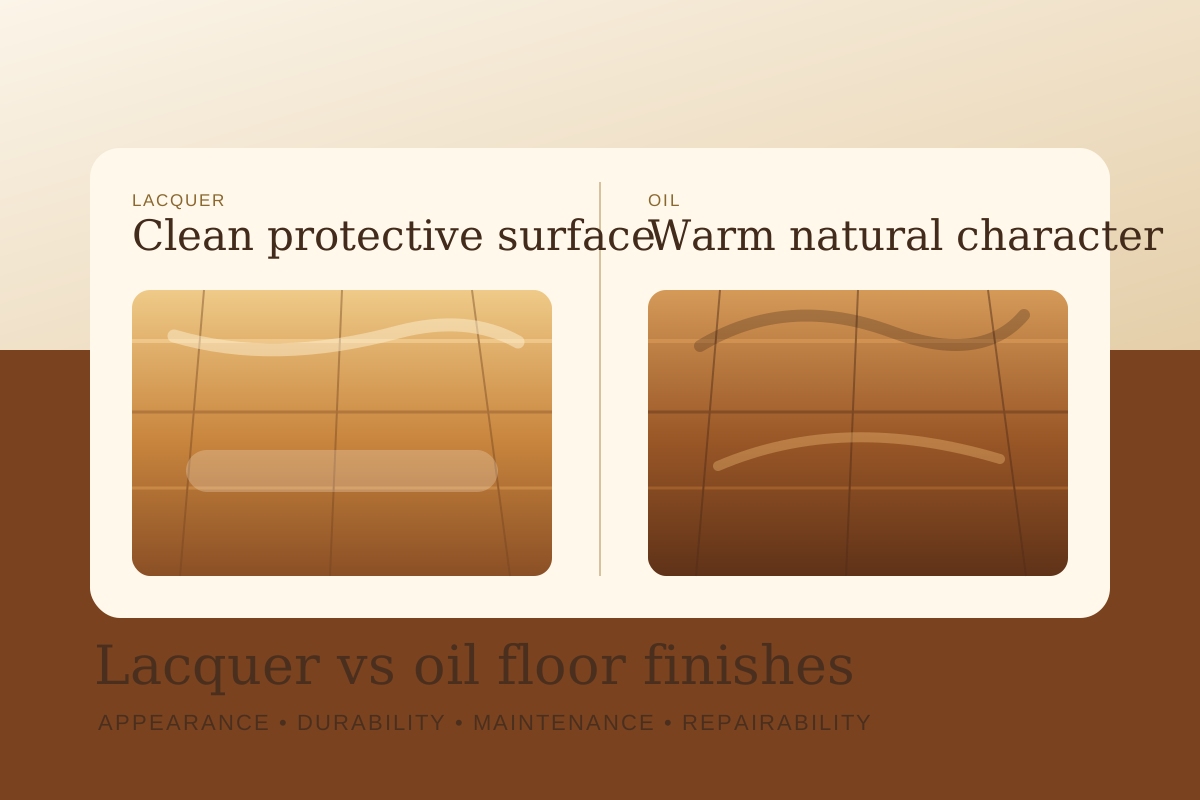
Finish choice matters after restoration. Staining and finishing advice can help choose a lacquer, oil or other protective finish that suits the room and future maintenance expectations.
Professional maintenance can also help identify whether the floor is simply dirty, whether the lacquer has dulled, or whether wear has reached the timber. That distinction matters because each situation needs a different response.
Quick maintenance checklist
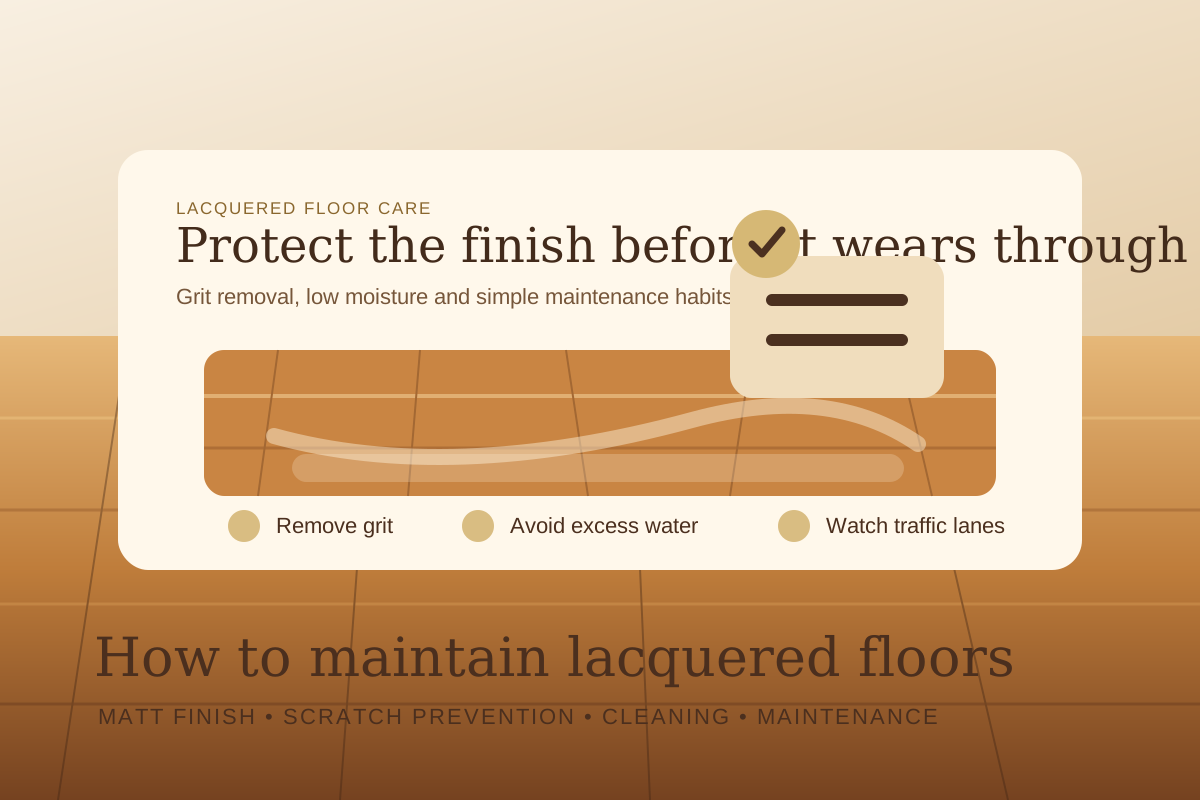
A lacquered floor is easiest to maintain when the routine is simple and consistent. The checklist below covers the habits that make the biggest difference.
Frequently Asked Questions
How often should lacquered floors be cleaned?
Remove grit and dust regularly, especially in busy areas. A light clean with a suitable method is usually enough for routine maintenance.
Can I use a steam mop on lacquered flooring?
Steam mops can be risky because they combine heat and moisture. They are especially concerning where the lacquer is worn, scratched or where the floor is engineered.
How long does floor lacquer last?
The lifespan of lacquer depends on traffic, cleaning habits, pets, footwear, furniture movement and maintenance. Busy areas usually show wear first.
Can scratches be repaired?
Light marks may improve with maintenance, but deeper scratches may need professional restoration or sanding depending on whether they have gone through the finish.
How do I know when the lacquer is wearing out?
Dull traffic lanes, uneven sheen, increased scratching, exposed timber and areas that do not improve after cleaning can suggest the lacquer is wearing out.
When should I consider professional restoration?
Ask for advice when cleaning no longer improves the floor, traffic lanes are visible, scratches are increasing or the finish appears worn through.