Daily and weekly cleaning
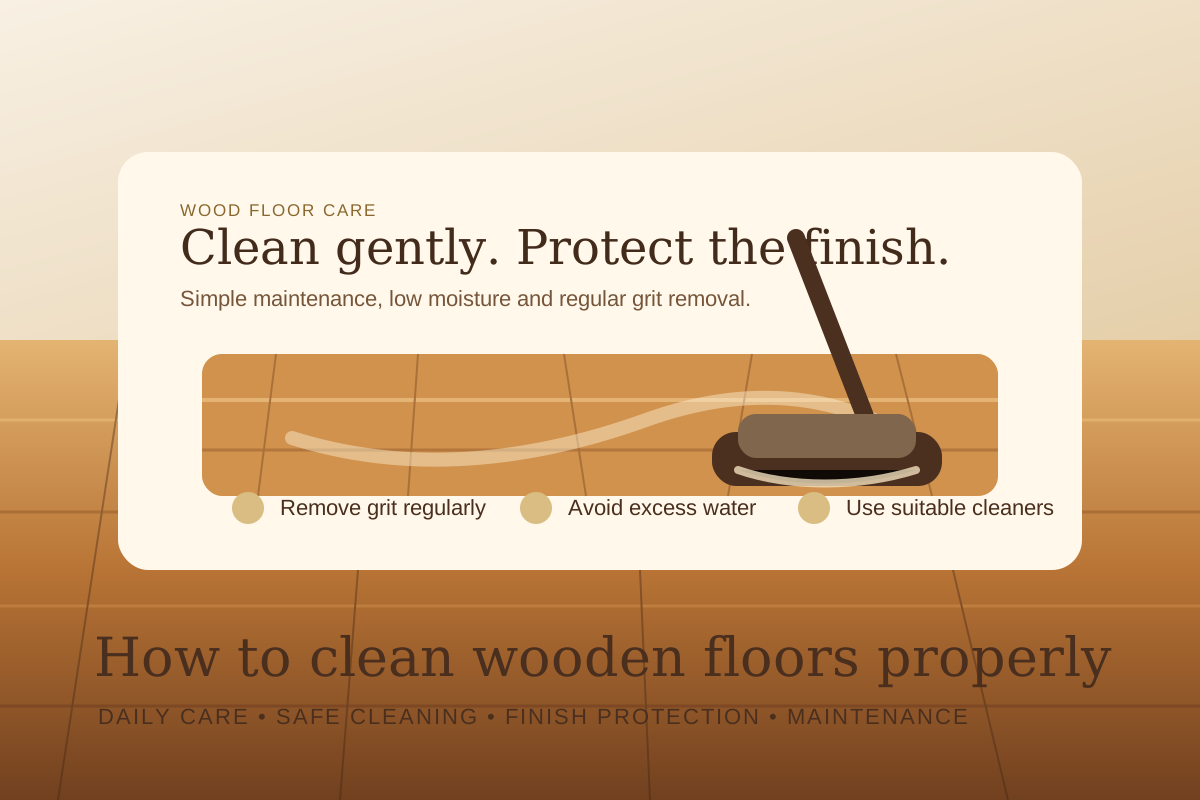
Simple maintenance usually works best for wooden floors. The aim is to remove grit, dust and everyday dirt before they are walked across the surface and slowly mark the finish.
For day-to-day care, dry dust removal is often more useful than frequent wet cleaning. A soft brush, a vacuum cleaner on an appropriate hard-floor setting, or a dry microfibre pad can remove the grit that causes fine scratches and dullness.
Weekly cleaning can be light and controlled. Use a well-wrung microfibre mop rather than a soaking wet mop, and work with a cleaner suitable for finished wooden floors. The floor should be lightly cleaned, not saturated.
Removing grit and dirt is often more important than applying more liquid. Fine particles behave like abrasive dust under shoes, furniture and pet paws. Over time, that abrasion can make a finish look dull even when the timber underneath is still sound.
Spills should be dealt with promptly using an absorbent cloth. Blot rather than scrub, especially on older floors where the finish may already be thin around joints, thresholds or high-traffic areas.
What should never be used on wooden floors?
The biggest cleaning mistake is using too much water. Wooden floors do not need to be soaked to be cleaned properly. Excess moisture can sit in joints, gaps, scratches and worn areas, eventually causing swelling, staining or finish breakdown.
Avoid harsh chemicals, bleach, abrasive pads, unsuitable detergents and soaking mops. These can strip protective coatings, leave residues, dull the surface or force moisture into areas where the finish is already worn.
Household cleaners designed for tiles, vinyl, bathrooms or general hard surfaces are not automatically suitable for wood. Some leave a film that attracts dirt, while others are too aggressive for lacquer, oil or hardwax oil finishes.
The goal is to clean the floor, not saturate it. A properly maintained wooden floor should dry quickly after cleaning and should not have water sitting visibly on the surface.
Can steam mops damage wooden floors?
Steam mops are a common question because they look convenient. The concern is that steam combines heat and moisture, and both can be problematic for wooden floors if they enter joints, worn finish, scratches or board edges.
Not every steam mop use leads to visible damage, but many floor manufacturers and restoration specialists are cautious because the risk depends on finish condition, floor construction and how much moisture reaches the timber.
Engineered flooring needs particular care because moisture and heat can affect the top layer, joints or core construction. Parquet and older floorboards can also be vulnerable where there are gaps, loose blocks or worn finishes.
If moisture has already affected your floor, our guide to water damaged wooden floors explains common signs such as swelling, black staining, lifting boards and finish failure.
Cleaning lacquered floors
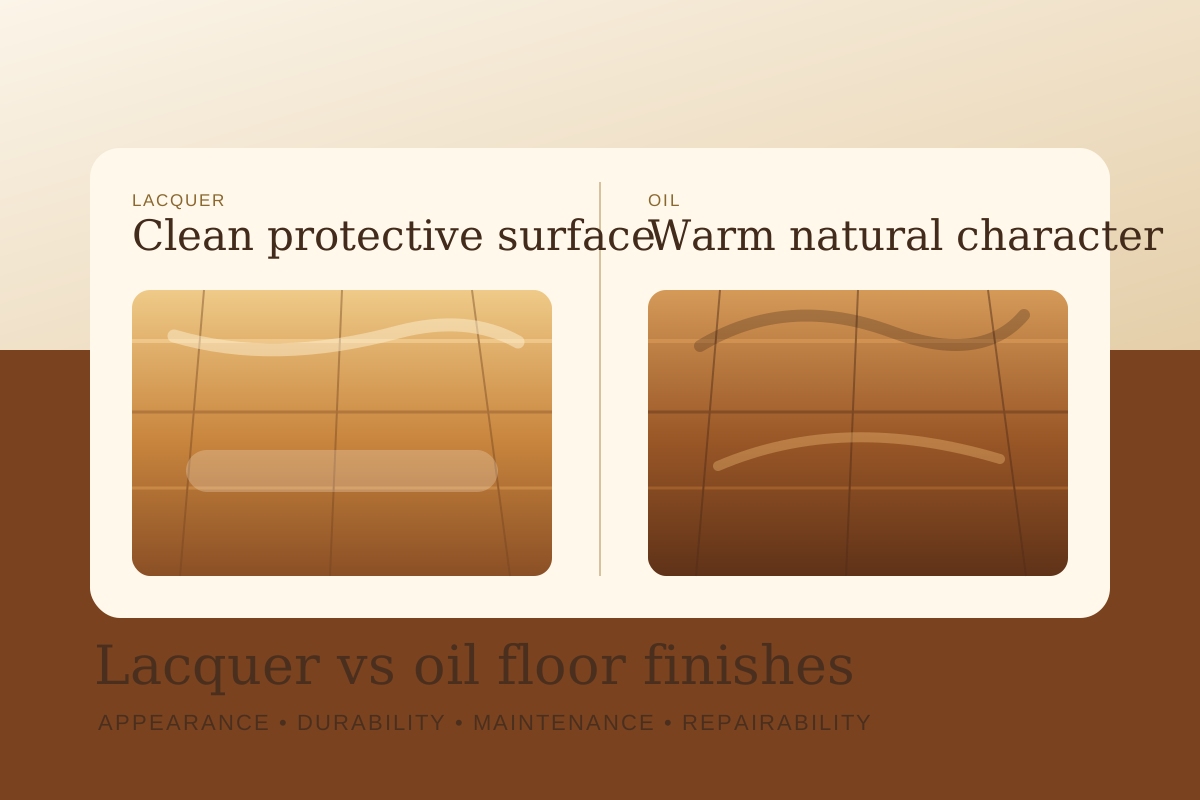
A lacquered floor has a protective coating over the timber. When that coating is in good condition, routine cleaning is usually straightforward: remove grit regularly, use a suitable wood-floor cleaner and avoid abrasive products.
Lacquer helps protect the timber beneath, but it can still become scratched, dulled or worn by grit, chair legs, pet claws and unsuitable cleaning routines. Once the coating is worn through, cleaning alone cannot replace the lost protection.
Matt and satin lacquered floors may show residues differently, so less product is often better than more. A damp microfibre mop should be well wrung out, and the floor should dry quickly.
If a lacquered floor looks smeary after cleaning, the issue may be residue rather than dirt. Using too much product, using the wrong cleaner, or repeatedly mopping without removing loose grit first can leave the surface looking cloudy.
If you are unsure what finish you have, our lacquer vs oil guide explains the practical differences between these common wood floor finishes.
Cleaning oiled floors
Oiled floors behave differently from lacquered floors. Instead of relying on the same type of surface coating, an oil or hardwax oil finish sits closer to the timber and may need periodic maintenance to stay properly protected.
Routine cleaning should still be simple: remove grit, use a lightly damp mop where appropriate, and avoid harsh or unsuitable cleaners. The difference is that oiled floors may need maintenance oil or refresh work over time, depending on use and product type.
If an oiled floor starts to look dry, patchy or uneven, adding more water or stronger cleaner is not the answer. It may need a maintenance refresh rather than more aggressive cleaning.
Oiled floors can look very natural and characterful, but they reward owners who keep up with care. If you prefer lower routine maintenance, a lacquer finish may be more practical in some rooms.
It is also worth remembering that oiled floors can vary by product. Some are traditional oil systems, while others are hardwax oils. The safest routine is always gentle cleaning, low moisture and periodic maintenance before the floor becomes visibly dry or exposed.
How to protect wooden floors from scratches
Scratch prevention is often easier than scratch repair. Most everyday surface marking comes from grit, furniture movement, shoes, pet claws and small stones brought in from outside.
Use entrance mats at external doors to catch grit before it reaches the timber. Add felt pads under chairs, tables and movable furniture, and check them regularly because dirty or worn pads can become abrasive.
Lift furniture rather than dragging it. Keep pet claws trimmed where possible, especially in busy areas. Avoid walking grit through the house from patios, driveways or building work.
A few small habits can make a big difference to how long the finish looks fresh after sanding, restoration or refinishing.
When cleaning is no longer enough
Sometimes a floor looks dirty because the finish itself has worn, dulled or failed. In those cases, more cleaning will not solve the problem and may make the floor worse if stronger products or more water are used.
Signs that cleaning may no longer be enough include dull appearance, grey traffic lanes, worn finish, staining, scratches, uneven sheen, patchy areas and timber that appears exposed in busy walkways.
Where the timber is sound and the finish is tired, sandless wood floor restoration may be suitable. This can refresh compatible floors without full sanding where the damage is mainly within the finish.
If scratches, stains or wear are deeper, dustless floor sanding may be more appropriate. After sanding, staining and finishing choices help protect the floor and set the appearance.
Quick maintenance checklist
A good maintenance routine should be simple enough to keep doing. The checklist below covers the habits that make the biggest difference.
Frequently Asked Questions
How often should I clean a wooden floor?
Remove grit and dust as often as needed, especially in busy areas. A light weekly clean with a suitable wood-floor method is usually enough for many homes.
Can I use a steam mop on wooden floors?
Steam mops can be risky because they combine moisture and heat. Many manufacturers and restoration specialists advise caution, especially on worn, engineered or older floors.
Can I use bleach on wooden flooring?
Bleach is not recommended for routine wooden floor cleaning. It can damage finishes, affect colour and create uneven results.
What is the best mop for wooden floors?
A microfibre mop that can be well wrung out is usually a practical choice. The floor should be cleaned lightly and should dry quickly.
How do I clean an oiled floor?
Clean gently, avoid excess water and use a method suitable for oiled timber. Oiled floors may also need periodic maintenance oiling or refresh work.
When should I consider professional restoration?
Consider professional advice if the floor looks dull after cleaning, has worn traffic lanes, scratches, staining, uneven sheen or exposed timber.