What is a lacquer finish?
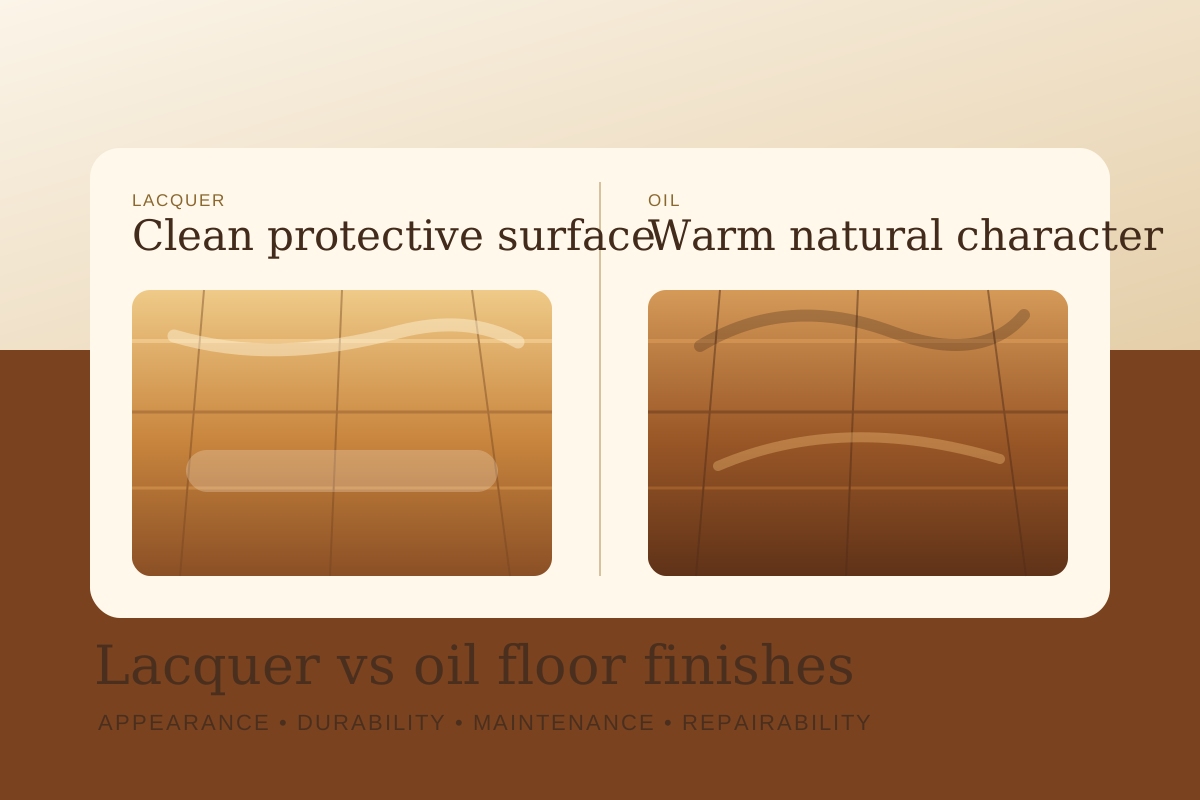
A lacquer finish forms a protective coating over the surface of the timber. Rather than soaking deeply into the wood, it sits on top as a clear protective layer designed to resist everyday wear, dirt and spills.
Modern water-based lacquers are widely used in homes because they are durable, relatively low odour and available in different sheen levels. Popular choices include matt, extra matt and satin finishes. These options allow homeowners to choose anything from a very natural low-sheen appearance to a slightly brighter finish.
Lacquer is often chosen where easy cleaning and predictable protection are important. Busy hallways, living rooms, rental properties and commercial spaces can all benefit from a good lacquer system when it is applied over a properly prepared floor.
The key point is that lacquer protects the timber beneath. When the finish is in good condition, everyday wear happens to the coating first rather than directly to the wood. Over time, that coating can become worn and may need refreshing or sanding back before a new finish is applied.
What is an oil finish?
An oil finish works differently. Instead of creating the same type of surface film as lacquer, oil penetrates into the timber and enhances the natural grain. Many homeowners choose oil because it can give wood a warmer, more tactile and traditional appearance.
Oil can be especially attractive on character floors where the natural variation of the timber is part of the appeal. Oak, pine and parquet can all look rich and expressive with the right oil finish, although each timber reacts differently.
Hardwax oils are also common in wooden floor finishing. They combine oils and waxes to create a finish that feels natural while offering practical protection. They still need appropriate care and maintenance, but they can be a good option where a more natural look is preferred.
Oil is not a fit-and-forget option. It normally needs more ongoing maintenance than lacquer, and the homeowner must be comfortable with periodic care to keep the floor protected.
Appearance differences
Appearance is often the first thing people notice when comparing lacquer and oil. Lacquer generally creates a cleaner and more uniform look. It can still look natural, especially in matt or extra matt finishes, but it usually gives the floor a more consistent surface appearance.
Oil tends to emphasise the grain and natural character of the timber. It can make the floor feel warmer and more organic, especially on oak and older pine boards. On parquet, oil can bring out the pattern and small variations between individual blocks.
Different timbers respond differently. Oak often accepts both lacquer and oil very well. Pine can change tone more noticeably and may become warmer or more amber depending on the finish. Parquet can look striking with either finish, but repair history, block variation and stain choice all influence the final appearance.
The best way to decide is usually to consider the room as a whole. A crisp modern interior may suit a matt lacquer, while a period room with character timber may suit oil or hardwax oil. There is no universal winner.
Durability and wear
Durability depends on the product used, the preparation underneath and how the room is used. In general, high-quality modern lacquer systems are often chosen where maximum practical durability and easy cleaning are priorities.
Lacquer can be a strong choice for busy family homes, hallways, dining rooms, rental properties and some commercial environments. It gives the floor a protective surface that can stand up well to regular traffic when maintained properly.
Oil should not be dismissed as unsuitable. A well-maintained oiled or hardwax oiled floor can perform very well, particularly where the homeowner understands the maintenance routine. Oil can also age attractively because it sits closer to the natural character of the timber.
The finish should be matched to the room. Pets, children, footwear, furniture movement, cleaning habits and the amount of grit brought in from outside all affect wear. WoodXpert can advise on wood floor staining and finishing options based on the floor type and how the room is used.
Maintenance requirements
Lacquer usually offers lower routine maintenance. Regular sweeping or vacuuming, suitable wood-floor cleaning products and sensible protection under furniture are normally enough for day-to-day care. Eventually, a lacquered floor may need a maintenance refresh, screen and recoat, or full sanding if the finish is heavily worn.
Oil generally needs more ongoing attention. Depending on the product and level of use, an oiled floor may need periodic maintenance oiling to keep the timber protected. This is not necessarily difficult, but it does require the homeowner to stay on top of care.
The right choice often comes down to lifestyle. If you want a lower-maintenance surface and a more uniform finish, lacquer may suit you better. If you prefer a natural feel and are comfortable with ongoing maintenance, oil may be a good fit.
Whichever finish you choose, cleaning with too much water or unsuitable products can reduce performance. Wooden floors need gentle cleaning routines and protection from standing moisture.
Repairing damaged areas
Repairability is one of the main differences between lacquer and oil. Oiled floors can sometimes be easier to repair locally because worn or scratched areas may be cleaned, prepared and re-oiled without treating the whole floor. This depends on the product, the depth of damage and the age of the surrounding finish.
Lacquered floors can be more difficult to repair invisibly in small patches. Because the coating sits across the surface, local repairs may need to be blended into a larger area to avoid visible edges or differences in sheen.
That does not mean lacquer is a poor choice. It simply means the repair strategy is different. A lacquered floor may be better protected day to day, while an oiled floor may be more forgiving for certain localised maintenance tasks.
Deep scratches, dents, black stains or water damage may need sanding or repairs regardless of the finish type. The finish affects maintenance, but it cannot remove structural issues in the timber.
Which finish suits different homes?
The best finish depends on how the floor will be used. A finish that suits a quiet bedroom may not be the most practical option for a hallway, kitchen-diner or commercial space.
Homes With Dogs
Dogs can be tough on wooden floors because claws, grit and water from outside all affect wear. A durable lacquer is often chosen for easier cleaning and stronger surface protection, but some homeowners still prefer oil because local maintenance can be more manageable.
Busy Family Homes
For busy family homes, lacquer is often the practical choice because it is easy to clean and gives predictable protection. Matt lacquer can provide a natural look without the higher maintenance expectations of oil.
Period Properties
Period properties often suit finishes that respect the age and character of the timber. Oil or hardwax oil can work beautifully on character boards, while matt lacquer can offer a more practical compromise where durability is important.
Parquet Floors
Parquet can look excellent with either finish. The choice depends on the desired appearance, repair history and use of the room. During parquet floor restoration, finish selection is part of the wider assessment because the pattern, gaps and block variation can all affect the final look.
Modern Open-Plan Living Spaces
Open-plan spaces often need a finish that balances appearance with practicality. A high-quality matt or satin lacquer is often chosen for durability, while oil may suit homeowners who want a softer, more natural finish and are prepared for maintenance.
Quick comparison guide
The comparison below is a guide, not a rule. Product quality, preparation and maintenance all influence performance.
Frequently Asked Questions
Is lacquer more durable than oil?
High-quality lacquer is often chosen where strong surface protection and easy cleaning are priorities. Oil can also perform well, but it usually needs more ongoing maintenance.
Does oil make wood look more natural?
Oil often gives timber a warmer, more natural appearance because it enhances the grain rather than creating the same type of surface coating as lacquer.
Which finish is best for dogs?
Many households with dogs choose a durable matt lacquer for easier cleaning and surface protection. Oil may still suit some homes if the owner is comfortable with maintenance.
Can oiled floors be lacquered later?
Often yes, but the floor normally needs proper sanding and preparation first. Product compatibility and the condition of the timber should be assessed before changing finish systems.
Can lacquered floors be oiled later?
A lacquered floor usually needs sanding back to bare timber before oil can be applied properly. Oil cannot simply be applied over an intact lacquer coating.
Which finish lasts longer?
There is no single answer. Longevity depends on product quality, preparation, traffic levels, cleaning habits and maintenance. Lacquer is often lower maintenance, while oil can be easier to maintain locally.