Can wooden floors be stained a different colour?
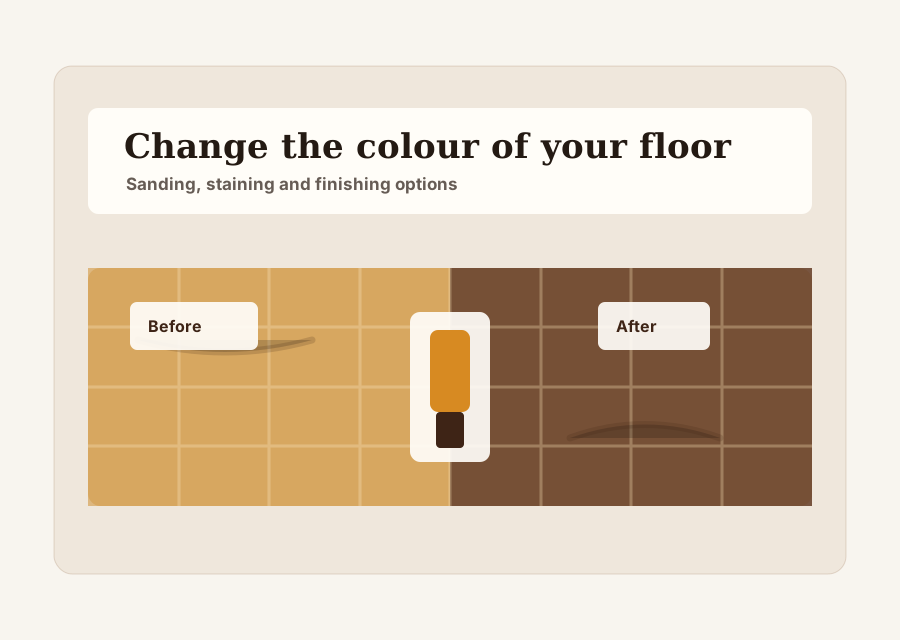
In many cases, yes. Wooden floors can often be changed in tone through sanding, stain application and refinishing. The process usually involves removing the existing finish first so the timber can accept a new colour more evenly.
Wood floor staining and finishing is not simply painting over the floor. Stain interacts with the timber, then a protective finish such as lacquer, oil or hardwax oil is applied over the top. Preparation has a major effect on how even and natural the final result looks.
The final appearance depends on the timber itself, the existing finish, previous sanding, repairs and the colour you are hoping to achieve. A good result starts with realistic expectations, not a promise that every floor can become any colour.
Which floor types can change colour?
Some wooden floors accept stains very well. Others have limitations because of their species, construction, previous finish or remaining wear layer.
Pine Floorboards
Pine floorboards can often be stained, but they may absorb colour unevenly because pine is softer and more varied than many hardwoods. Walnut and warmer brown tones are common requests, though samples are important before committing.
Oak Floors
Oak is usually one of the best candidates for colour work. It often accepts stains well and can suit natural oak, medium oak, darker walnut tones and contemporary finishes, depending on preparation and desired style.
Parquet Floors
Parquet can often be stained, but the pattern and changing grain direction affect how colour reads across the floor. A parquet floor restoration project may combine repairs, sanding, staining and finishing so the pattern remains the main feature.
Engineered Wood Floors
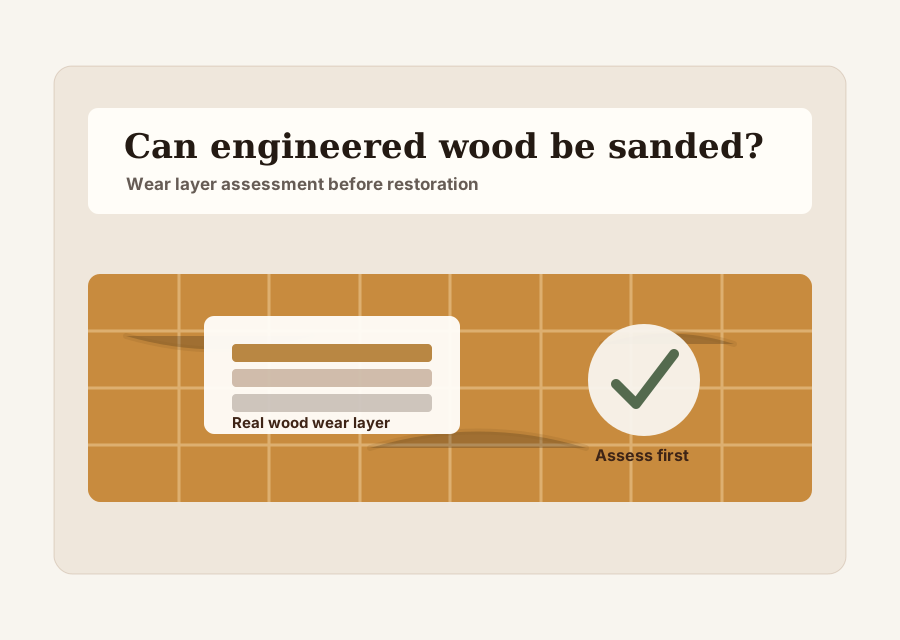
Engineered floors depend on the thickness of the real wood wear layer. Some can be sanded and stained; others are better suited to lighter restoration. A careful engineered wood floor restoration assessment helps avoid removing too much timber.
Can dark floors be made lighter?
Sometimes dark floors can be made lighter, especially where the dark appearance comes from old varnish, aged oil, surface coatings or dirt trapped in a worn finish. Sanding back the existing finish may reveal a much fresher natural timber tone underneath.
There are limits. Not every dark floor can become extremely pale. If the timber species is naturally warm or dark, or if stain has penetrated deeply, sanding may lighten the floor but not turn it into a pale oak look.
The safest way to approach a lighter transformation is to assess the floor, sand a suitable test area where possible, and compare realistic finish options against the actual timber.
Can light floors be made darker?
Making a light floor darker is generally easier than making a dark floor very pale. This is one of the most common colour-change requests, especially where pine or oak feels too yellow, orange or dated.
Walnut tones, medium oak tones and darker contemporary finishes can add warmth and depth. The floor still needs proper sanding and preparation first, because stain will highlight scratches, sanding marks and uneven repairs if the surface is not prepared carefully.
Darker colours can look rich and dramatic, but they may also show dust, scratches and pet hair more readily than lighter natural finishes. The right choice depends on the room, the light and how the floor will be used.
Popular stain colours
Popular colours include natural oak for a clean timber look, light oak for a softer and brighter finish, medium oak for warmth, walnut for a deeper traditional tone, dark walnut for a more dramatic result, smoked oak for muted depth and contemporary grey tones for cooler interiors.
Natural oak is often chosen when the goal is to reduce orange or yellow tones without making the floor look dark. Walnut and dark walnut are common when homeowners want a richer, more furnished feel. Grey tones need particular care because they can react differently depending on the timber species.
Our project library includes a walnut-stained pine floorboards example from South Shields, which shows how preparation and colour choice can change the mood of original floorboards.
Factors that affect the final result
The final colour is affected by timber species, age, previous finishes, repairs, replacement boards, parquet pattern and natural grain variation. The same stain can look noticeably different from one floor to another.
Repairs and replacement boards can also take colour differently from older surrounding timber. On parquet, the grain direction changes across the pattern, so some blocks may appear slightly lighter or darker even when the same stain is used.
Colour samples are useful, but wood remains a natural material. Samples show direction and tone; they do not guarantee an exact match across a whole room. Honest advice is especially important when the desired result is very pale, very dark or very cool-toned.
When colour changes may not be suitable
Colour changes may not be suitable where an engineered floor has a very thin wear layer, where the floor is heavily damaged, where parquet is unstable, or where the floor cannot safely be sanded.
Repairs may be needed first if there are gaps, loose blocks, damaged boards, threshold problems or old failed filler. WoodXpert provides wood floor repairs where preparation is needed before staining or finishing.
If a floor is unsuitable for sanding, a colour change may not be realistic. In those cases, restoration, maintenance or replacement may be more sensible than forcing a stain that the floor cannot support.
Photos that help us advise
Photos help us understand the current colour, timber type, wear level and whether sanding or repairs are likely to be needed before staining. You can send us photos through the quote form.
Useful photos include the full room, close-ups of the timber, worn areas, thresholds, any parquet pattern and any engineered flooring details if you know them. If you have a colour inspiration image, that can also help explain the direction you want.
The more context we have, the easier it is to advise whether staining, sanding, restoration or repair work is likely to be required.
Frequently Asked Questions
Can I stain my wooden floor darker?
Often, yes. Darker stains are commonly used after sanding and preparation, but the final tone depends on the timber species and existing floor condition.
Can I make an orange floor look more natural?
In many cases, sanding away aged finish and choosing a natural matt finish or softer stain can reduce orange or yellow tones.
Can pine floorboards be stained walnut?
Pine floorboards can often be stained walnut, but pine may absorb colour unevenly. Samples are important before deciding.
Can parquet floors be stained?
Yes, many parquet floors can be stained after repair and sanding, but grain direction and block variation can affect how the colour appears.
Can engineered wood floors be stained?
Some engineered floors can be stained if the wear layer is suitable for sanding. Thin or previously sanded engineered floors may not be suitable.
Will the final colour exactly match a sample?
No exact match can be guaranteed. Samples are helpful, but timber species, age, grain, repairs and previous finishes all influence the final colour.