What is engineered wood flooring?
Engineered wood flooring is made from a real hardwood top layer bonded to stable core layers beneath. The surface you walk on is genuine timber, but the structure below it is different from a traditional solid floorboard.
This construction is one reason engineered flooring became so popular in UK homes. It can offer the appearance of solid timber with improved stability, reduced movement and better compatibility with many underfloor heating systems, depending on the product and installation.
Because the top layer is real wood, some engineered floors can be restored. The important question is not simply whether the floor is engineered, but how much usable hardwood remains on the surface and what condition the floor is in.
What is a wear layer?
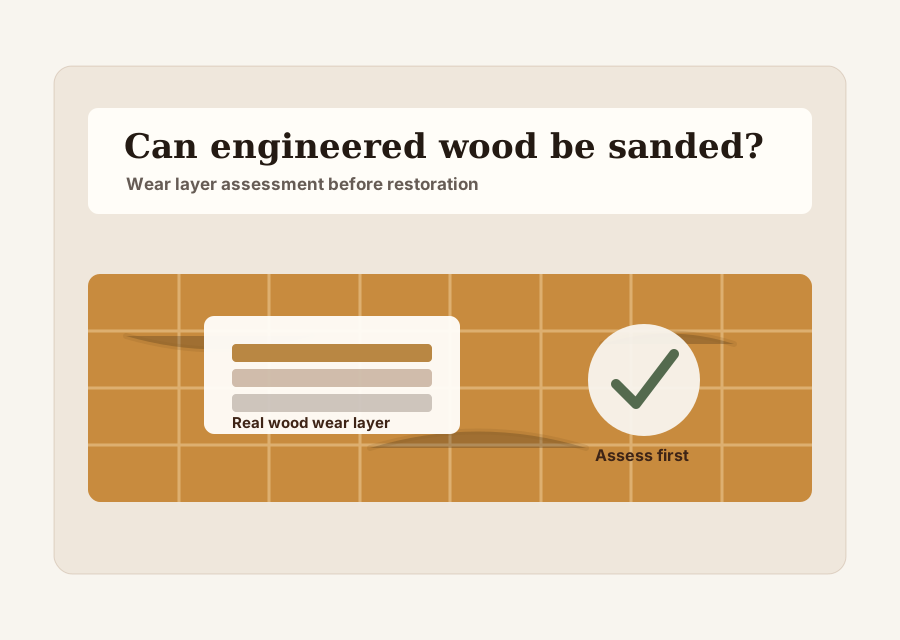
The wear layer is the real hardwood layer on top of an engineered board. Its thickness usually determines whether sanding is possible and how cautious the restoration method needs to be.
Some engineered floors have very thin wear layers that are designed more for appearance than repeated restoration. Others have medium or thicker top layers that may tolerate careful sanding if the floor has not already been overworked.
It is tempting to look online for exact rules, but those rules can be misleading. Two floors can look almost identical from above while having very different construction underneath. The safest decision comes from assessing the actual floor, not guessing from appearance alone.
Can engineered flooring be sanded?
Yes, some engineered floors can be sanded. The work has to be approached carefully because the real wood layer is limited. A suitable floor may be lightly sanded, fully refinished or restored using a lower-intervention method, depending on its construction and condition.
Suitability depends on wear layer thickness, previous sanding history, the current condition of the finish, the depth of scratches, board movement and whether moisture has affected the floor. A stable floor with a sound wear layer gives more options than a thin, moving or water-damaged floor.
WoodXpert provides engineered wood floor restoration advice before recommending a method. In some cases careful sanding is appropriate. In others, restoration without full sanding is safer and more sensible.
How many times can engineered floors be sanded?
There is no universal answer. It depends on the original wear layer thickness, the sanding method used, whether the floor has been sanded before and how much damage needs to be removed.
Each sanding removes material. Even careful sanding reduces the remaining hardwood layer, so the goal is not to sand as aggressively as possible; it is to preserve the floor safely while achieving a worthwhile result.
Internet advice often oversimplifies this by suggesting fixed numbers. In practice, one engineered floor may tolerate careful restoration, while another similar-looking floor may already be close to its limit. Previous restoration history matters, and it is not always visible without inspection.
When sanding may not be suitable
Sanding may not be suitable where the wear layer is very thin, the board has severe delamination, the floor is structurally unstable or the surface has already been sanded too much.
Major moisture damage, lifting boards, excessive movement and poor installation can also make sanding risky. If the floor is swelling, separating or moving underfoot, removing more material from the surface may not solve the underlying problem.
Sometimes restoration without sanding is safer. Sometimes localised repair is needed first. And sometimes replacement is more sensible. WoodXpert will explain this clearly rather than recommending sanding where it is likely to shorten the life of the floor.
Alternatives to sanding
Not every engineered floor requires full sanding. Sandless wood floor restoration may be suitable where the finish is dull but still intact and the timber underneath is not deeply damaged.
Other options include maintenance refreshes, compatible finish renewal and localised wood floor repairs where thresholds, individual boards or damaged edges need attention. These approaches can improve protection and appearance without removing as much timber.
The right alternative depends on compatibility. Some finishes can be refreshed more easily than others. If the existing coating has failed completely, sanding may still be needed, but a careful assessment prevents unnecessary work.
Signs your engineered floor may be restorable
A floor is more likely to be restorable when the surface looks dull rather than deeply damaged, the finish is worn but the timber is mostly intact, scratches are light, colour remains relatively consistent and the boards remain stable.
A closer inspection is needed where boards are lifting, swelling or moving, where there is deep staining, where the surface has worn through to the substrate, or where moisture damage has changed the shape of the boards.
The aim is to understand whether the issue sits in the finish, the hardwood wear layer or the construction of the floor itself.
Photos that help us assess engineered flooring
Clear photos can help us advise whether your engineered floor is likely to be suitable for sanding, restoration, repair or closer inspection. You can send us photos through the quote form.
The most useful images are a full-room photo, close-ups of worn areas, scratches, edges, door thresholds and transitions between rooms. If you have underside details, installation information, product labels or spare boards, those can be very helpful too.
A photo cannot always confirm wear layer thickness, but it often gives enough context to explain the most likely options and whether an on-site assessment would be worthwhile.
Frequently Asked Questions
Can engineered wood floors be sanded?
Some engineered wood floors can be sanded, but it depends on the thickness of the real wood wear layer, previous sanding history and the condition of the floor.
How do I know if my engineered floor has a thick enough wear layer?
The safest approach is assessment. Product information, spare boards, exposed edges or professional inspection can help identify whether there is enough usable hardwood for sanding.
Can deep scratches be removed from engineered flooring?
Light surface marks may improve with restoration, but deep scratches usually need sanding. If the wear layer is too thin, sanding may not be safe.
Can engineered wood floors be stained a different colour?
Sometimes, but colour changes usually require sanding first and are only suitable where the wear layer can tolerate the preparation needed.
What happens if the wear layer is too thin?
If the wear layer is too thin, full sanding may risk exposing the core beneath. Restoration, localised repairs or replacement may be more sensible.
Can engineered flooring be restored without sanding?
Yes, some engineered floors can be refreshed through sandless restoration or compatible finish renewal if the existing finish is intact and the timber is not badly damaged.