What is sandless restoration?
Sandless wood floor restoration is a professional refresh process for suitable wooden floors where the existing finish is still largely intact. Instead of fully removing the surface layer of timber, the aim is to clean, prepare and revive the finish so the floor looks more consistent and better protected.
The typical goals are to improve appearance, refresh dull finishes, even out sheen, extend the life of the floor and reduce disruption compared with a full sanding project. It can be especially useful when the floor looks tired but the timber underneath is not badly damaged.
It is not a magic fix for every floor. Deep scratches, black staining, worn-through areas and damaged timber will usually remain visible if the floor is only restored. Where the finish has failed completely or bare timber is exposed, sanding may be the more honest recommendation.
What is full floor sanding?
Dustless floor sanding removes the existing finish and a small amount of timber from the surface. This creates a fresh base for repair preparation, staining and a new lacquer, oil or hardwax oil finish.
Full sanding allows deeper surface scratches to be removed, old coatings to be taken back, uneven colour to be corrected and many stains to be reduced. It is also normally required if you want to change the colour of the floor because stain needs a properly prepared surface.
Sanding is more involved than restoration, but it usually provides the most dramatic transformation. It is the right approach when the existing finish is too worn to refresh or when the floor needs a complete refinish system rather than maintenance.
The biggest differences
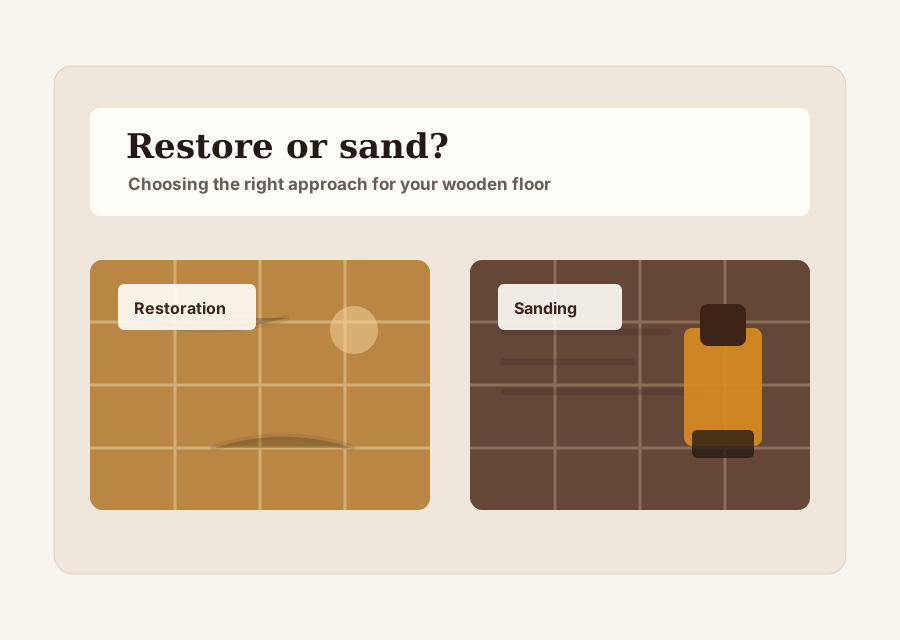
Both methods can improve a wooden floor, but they solve different problems. Sandless restoration is about refreshing and extending the life of a suitable existing finish. Full sanding is about resetting the surface and building the finish back up from bare, prepared timber.
When sandless restoration is suitable
Sandless restoration is most useful when the floor is dull, tired or inconsistent but not badly damaged. A finish that has lost its sheen, picked up light surface wear or developed traffic dulling may be a good candidate.
It can also be helpful for maintenance refreshes where a homeowner wants to improve the floor without the time and disruption of a full sand. In some commercial spaces, restoration can form part of a maintenance programme, delaying the need for full sanding while keeping the floor presentable and protected.
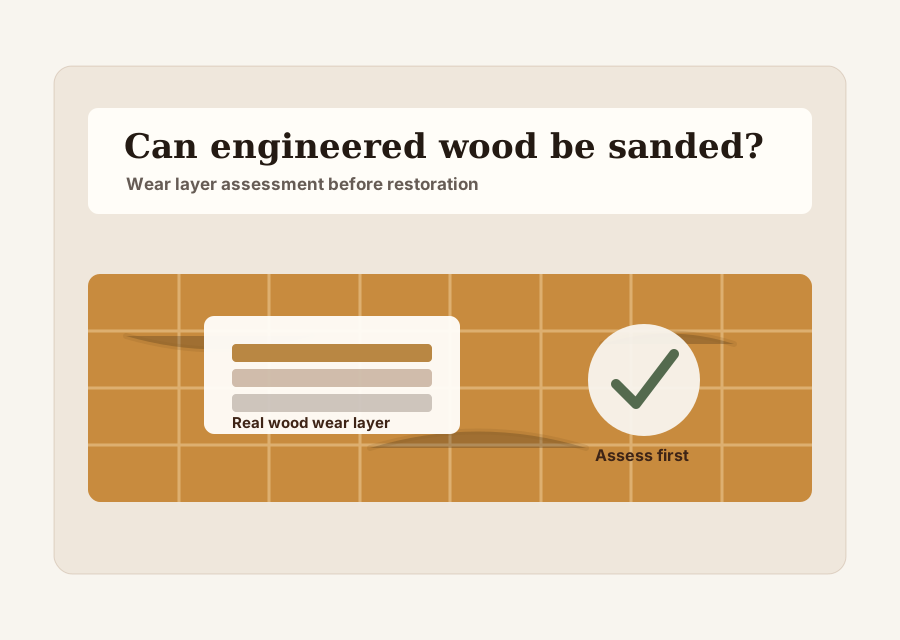
Engineered floors with a limited wear layer may also benefit from a restoration-led approach, provided the existing finish is compatible and the timber is not exposed. This is where assessment matters: the safer option is not always the most aggressive one.
When sanding is the better option
Full sanding is usually the better option where the damage has gone beyond the finish. Deep scratches, grey traffic lanes, black staining, uneven colour, old coatings, worn-through lacquer and bare timber all suggest that restoration alone will not be enough.
Sanding is also normally needed if you want to change the colour of the floor. Staining requires careful preparation so the colour absorbs more evenly, and a tired finish cannot simply be recoloured over the top with reliable results.
For major refurbishment projects, sanding gives the floor a more complete reset. It allows repairs, filling, fine sanding and finishing to be planned together, which usually creates a more consistent result.
Cost and disruption comparison
Sandless restoration is often faster, less disruptive and lower cost than full sanding. There is usually less preparation, less mess and a shorter route back to using the room, although drying and curing times still depend on the products used.
That does not mean it is always the best value. If a floor genuinely needs sanding, a light restoration may only delay the inevitable. The floor may look slightly better for a while, but the deeper scratches, worn-through areas or stains will still be there.
The cheapest solution is not always the most cost-effective long term. The right choice is the one that matches the condition of the floor and the result you expect from the work.
Which floor types are suitable?
Floor type affects what is possible. Solid floorboards, oak, parquet and engineered wood can all be restored, but they do not all tolerate the same approach.
Original Pine Floorboards
Original pine floorboards often respond well to full sanding when they are scratched, grey or covered in old coatings. They can also need repairs, filling or board replacement before finishing. Sandless restoration may be suitable only where the finish is intact and the wear is light.
Oak Floors
Oak floors are often good candidates for sanding and refinishing if enough timber remains. Where the finish is dull but sound, restoration may improve the appearance without removing as much material.
Parquet Floors
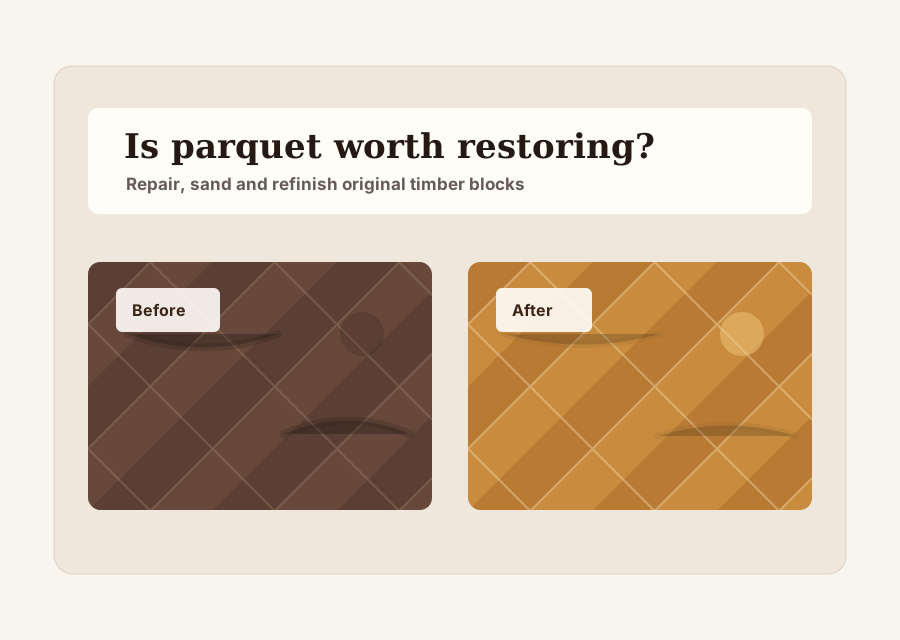
Parquet can be highly rewarding to restore, but loose blocks, gaps and adhesive failure need proper assessment. A parquet floor restoration project may involve repairs before sanding or refinishing so the pattern is preserved and the floor is stable.
Engineered Wood Floors
Engineered wood depends on the thickness and condition of the real wood wear layer. Some floors can be carefully restored, some can be lightly sanded, and others should not be sanded at all. WoodXpert provides engineered wood floor restoration advice before recommending a method.
Quick decision guide
These common signs can help you understand which option may be more suitable before arranging a quote.
Frequently Asked Questions
What is the difference between sanding and restoration?
Sandless restoration refreshes a suitable existing finish without fully removing the timber surface. Full sanding removes the old finish and a small amount of timber so the floor can be refinished from a properly prepared surface.
Can restoration remove scratches?
Restoration may improve light surface marks within the finish, but deep scratches that have gone into the timber usually need sanding.
Can restoration make a floor look new again?
It can make a suitable floor look cleaner, fresher and more even, but it will not create the same reset as full sanding where there is deeper wear, staining or bare timber.
Does restoration cost less than sanding?
It is often lower cost and less disruptive, but only where the floor is suitable. If sanding is genuinely required, restoration may not be the best long-term value.
Can engineered floors be restored?
Yes, some engineered floors can be restored, but the safest method depends on the wear layer thickness, existing finish and condition of the floor.
How do I know which option I need?
Send clear photos of the full room, worn areas, scratches, edges and any damage. WoodXpert can usually advise whether sanding, restoration, repairs or inspection is the best next step.