Why parquet flooring is often worth saving
Parquet differs from many modern flooring products because it is made from individual timber blocks laid in a deliberate pattern. That pattern is part of the floor, not a printed surface or thin decorative layer.
Traditional herringbone parquet, finger parquet and block parquet often use hardwood blocks with real depth and character. In older homes, the parquet may also be an original feature that contributes to the property’s feel.
The craftsmanship is another reason parquet is often worth investigating before replacement. A well-laid parquet floor has rhythm, direction and detail that can be expensive to reproduce with new materials.
Parquet is also repairable in a way many floor coverings are not. Individual blocks can often be lifted, reset, replaced or stabilised locally, depending on the condition of the timber and subfloor.
Longevity matters too. Many parquet floors have already served a home for decades and still have useful life left if the structure remains sound.
This is why restoration is often considered before replacement. The goal is not simply to make an old floor look newer, but to preserve original timber, pattern and character where doing so makes practical sense.
Common parquet problems
Parquet floors can develop several problems over time. The most common include loose blocks, missing blocks, gaps, lifting sections, adhesive failure, worn finishes, staining and old repairs.
Loose blocks are particularly common because parquet relies on many individual pieces staying bonded to the subfloor. When adhesive breaks down or moisture affects the floor, individual blocks can start to move.
Missing blocks can make the floor look worse than it is. A small missing section may be repairable if suitable replacement timber can be found or adapted.
Gaps and lifting sections may be caused by movement, subfloor issues, adhesive failure or changes in moisture. The cause matters because different problems need different repair approaches.
Worn finishes can make parquet look grey, dull or patchy. Staining, old varnish and previous poor repairs can also hide good timber underneath.
Many of these issues are repairable. The important step is separating surface wear from deeper structural problems.
Signs a parquet floor may be worth restoring
A parquet floor may be worth restoring when the timber blocks are mostly present, the floor is broadly stable, and the main issues are cosmetic wear or localised repair needs.
Structurally sound parquet is a strong candidate. If most blocks are bonded well and the floor does not move across large areas, restoration may be far more realistic than it first appears.
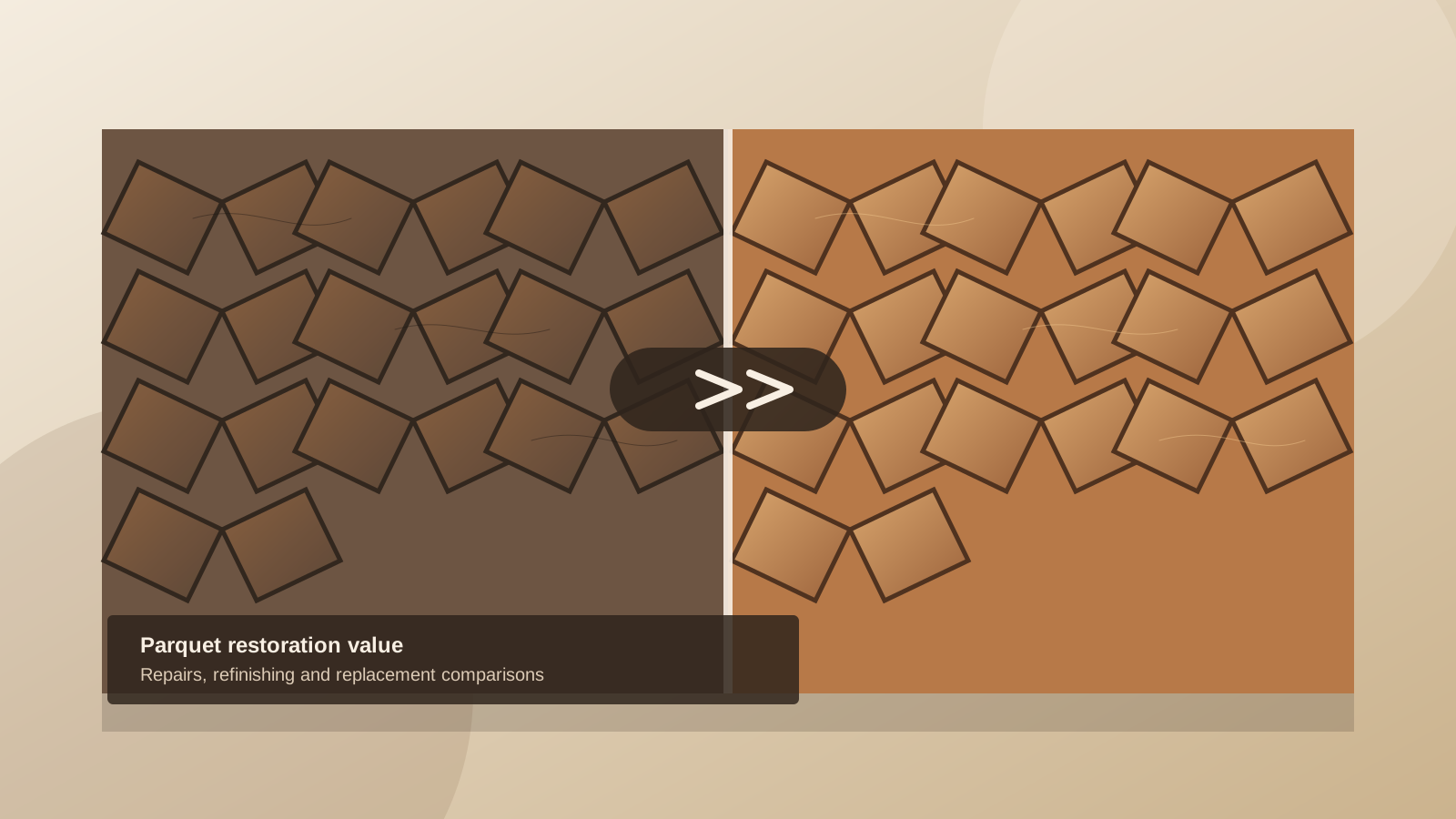
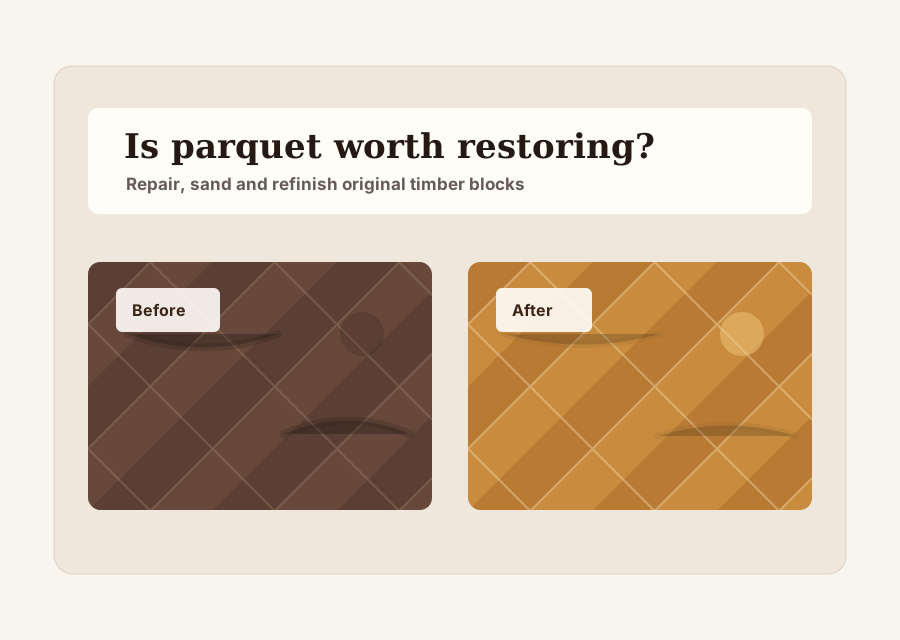
Cosmetic wear is often very restorable. Worn lacquer, surface scratches, faded finish, traffic lanes and uneven colour can often be improved through careful preparation and refinishing.
Localised movement is also common. A few loose blocks, small areas of adhesive failure or minor gaps do not automatically mean the floor needs replacing.
Parquet floor restoration usually combines assessment, repair, sanding and finishing. That combination is what allows many tired parquet floors to become stable and attractive again.
It is also worth considering what the floor contributes to the home. Original parquet can add warmth, pattern and period character that a plain replacement floor may not provide. If the floor is repairable, restoration can protect those qualities while still giving the room a much cleaner and more practical surface.
The best candidates are floors where the underlying structure remains sound enough to justify the work. A floor does not need to look tidy before restoration; it needs to be repairable.
When repairs are usually needed first
Repairs often form part of successful parquet restoration projects. Parquet should usually be stabilised before sanding or finishing begins.
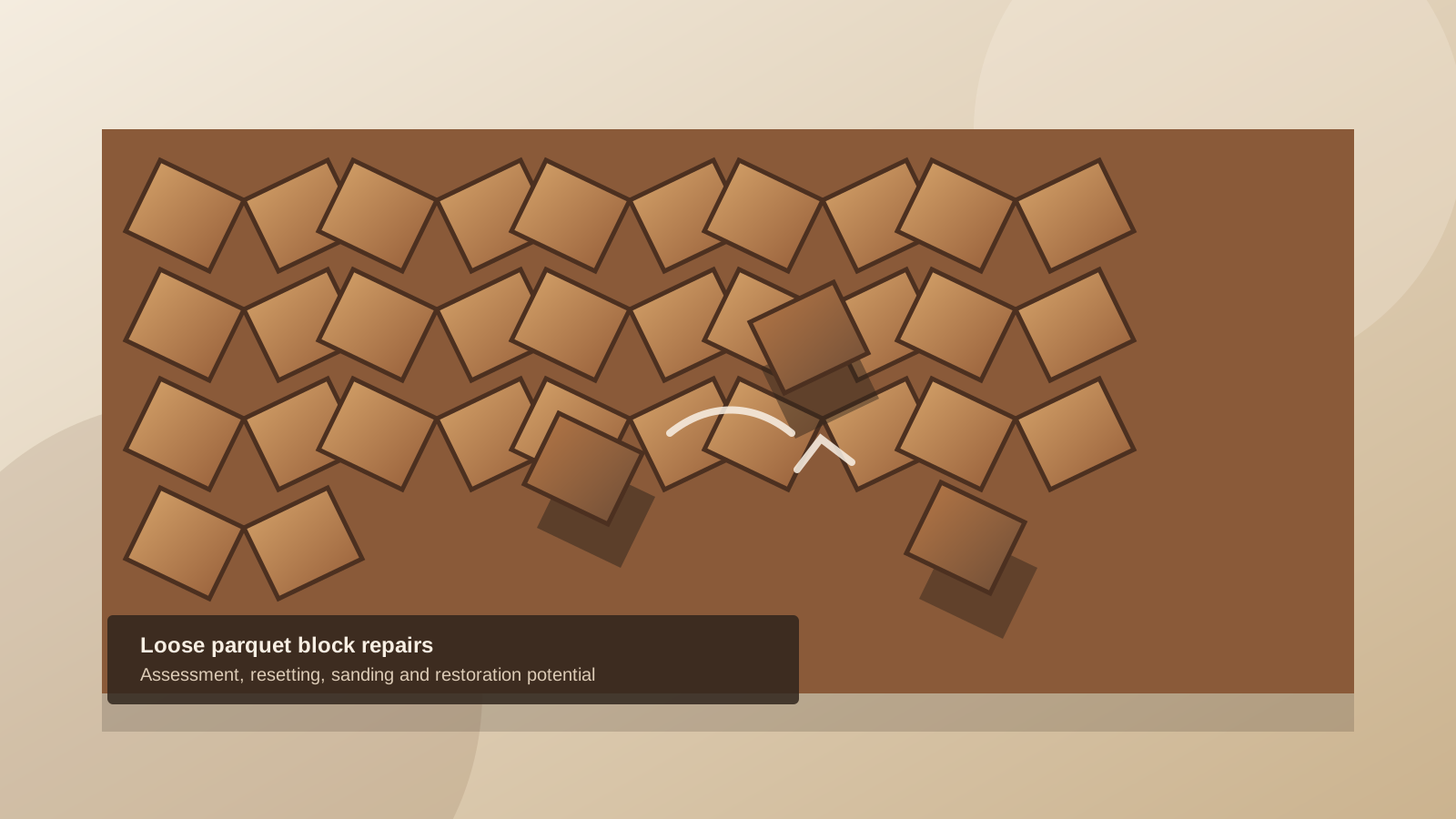
Loose blocks need attention because sanding over movement can create poor results. Blocks may need to be lifted, cleaned, reset and secured before the floor is refinished.
Missing blocks, damaged sections, threshold problems, unstable areas and old failed repairs may also need correcting first. This gives the restored finish a better foundation.
Wood floor repairs can include local block replacement, resetting loose parquet, addressing gaps and preparing damaged areas for sanding.
If you are unsure whether loose parquet blocks can be repaired, the short answer is often yes, but the cause of the movement needs checking first.
Repair work is not a sign that the floor is beyond saving. On parquet, repairs are often the stage that makes restoration possible.
When replacement may be more sensible
A trustworthy assessment should also explain when replacement may be more sensible. Not every parquet floor should be restored.
Severe structural failure can make restoration impractical. If the subfloor has failed, large areas are unstable, or the parquet cannot be secured reliably, replacement may provide better long-term value.
Extensive water damage can also change the recommendation. Blocks that are rotten, badly distorted, swollen or affected by long-term damp may not be suitable for repair.
Widespread instability is different from a few loose blocks. If large sections are moving or hollow, the repair work may become extensive and less cost-effective.
Significant timber loss is another factor. If many blocks are missing, badly damaged or impossible to match sensibly, replacement may need to be considered.
These situations are less common than homeowners often expect, but they do occur. Our guide to when a wooden floor needs replacing explains the wider signs that replacement may be the better route.
The honest answer is sometimes restoration, sometimes repair-led restoration, and occasionally replacement. The floor should be judged on condition, not optimism.
What parquet restoration typically involves
Parquet restoration typically involves much more than simply sanding the floor. The first stage is assessment. The floor is checked for loose blocks, missing sections, gaps, previous repairs, staining, moisture concerns and overall stability.
Repairs usually come next. Loose blocks may be reset, missing pieces replaced where possible, and damaged areas prepared before surface work begins.
Once the floor is stable, dustless floor sanding can remove worn finish, surface scratches and old coatings. Parquet needs careful sanding because the grain direction changes across the pattern.
Finishing then protects the restored timber. Depending on the floor and the desired appearance, this may involve lacquer, oil, hardwax oil or colour work through staining and finishing.
This sequence is important because sanding alone cannot solve loose blocks, failed adhesive or missing sections. A floor that has been properly repaired before finishing is usually easier to live with afterwards and gives the new finish a better chance of wearing evenly.
The finished result should retain the original parquet character while making the floor cleaner, more even and easier to maintain.
A good restoration plan respects both the structure and the appearance. There is little value in making a floor look good if loose blocks and movement have not been properly addressed first.
Real-world parquet examples
Real parquet projects often show why assessment matters. A floor may look heavily worn, uneven or dated before restoration, yet still contain sound timber and a repairable structure.
The Finger Parquet Floor Restoration In Peterlee is a useful example of parquet that responded well to careful assessment, preparation and refinishing. The restoration retained the pattern and character rather than replacing the floor.
Herringbone parquet can be especially rewarding because the pattern is such a strong visual feature. WoodXpert’s Newcastle herringbone parquet work, shown in the project library, demonstrates how much character can return once worn finish and surface dullness are addressed.
Cost is part of the decision, but value is broader than the quote alone. The original timber, the complexity of replacing a patterned floor and the character retained by restoration should all be weighed against the practical condition of the floor. Our guide to whether parquet restoration is worth the cost looks at that comparison in more detail.
These examples do not mean every parquet floor can be saved. They do show why replacement should not be assumed from appearance alone.
A floor with original timber, repairable movement and enough usable surface can often be a strong restoration candidate.
Quick parquet assessment guide
Use this guide as a starting point. It cannot replace assessment, but it helps separate common repairable issues from signs that need closer investigation.
Frequently Asked Questions
Is old parquet flooring worth restoring?
Often, yes. Old parquet flooring is frequently worth restoring when the timber is sound, the blocks can be stabilised and the damage is repairable.
Can loose parquet blocks be repaired?
Yes, many loose parquet blocks can be repaired by lifting, preparing and resetting them, provided the timber and subfloor are suitable.
Can damaged parquet flooring be saved?
Damaged parquet can often be saved when damage is localised. Severe water damage, rot or widespread instability may make replacement more sensible.
How do I know whether my parquet floor is worth restoring?
Look at stability, missing blocks, loose areas, water damage and overall condition. Clear photos usually help us advise whether repair-led restoration is realistic.
When should parquet flooring be replaced?
Replacement may be needed where there is severe structural failure, extensive water damage, widespread instability or major timber loss.
How long does parquet restoration last?
Longevity depends on the repair quality, finish system, traffic levels and maintenance. A restored parquet floor can provide long service when cared for properly.