Why do parquet blocks become loose?
Parquet flooring is made up of many individual timber blocks. Each block relies on the condition of the timber, the adhesive, the subfloor and the surrounding pattern to remain stable.
Over time, movement can occur. Age, adhesive failure, moisture changes and subfloor movement are all common reasons why individual parquet blocks start to lift or sound hollow underfoot.
This can look worrying because one loose block often draws attention to the whole floor. It may lift slightly, move when stepped on, create a gap or make a tapping sound.
A loose block does not necessarily mean the floor is beyond repair. Many parquet floors with localised movement still have strong restoration potential once the cause is understood.
The important question is whether the problem is isolated or part of wider instability. A handful of loose blocks usually needs a different response from a floor where large areas are moving.
Common causes of parquet movement
Parquet movement can have several causes, and each one affects the repair approach. Old adhesive breakdown is one of the most common. Adhesives can become brittle, fail locally or lose bond after many years of use.
Moisture fluctuations can also contribute. Timber expands and contracts as conditions change, and parquet blocks may lift if movement becomes greater than the adhesive or subfloor can tolerate.
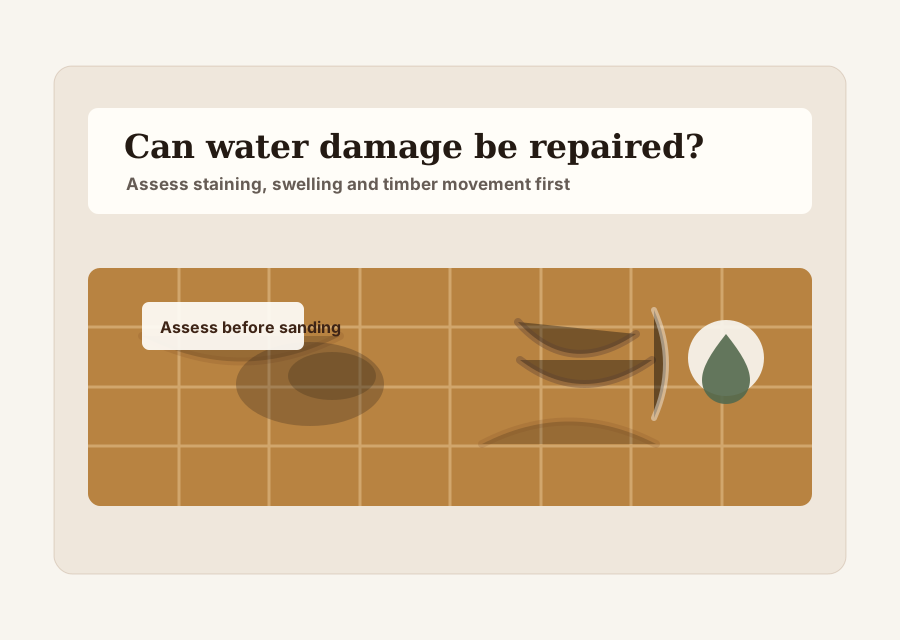
Water damage is another factor. Leaks, damp subfloors, repeated wet cleaning or trapped moisture can weaken adhesive, swell blocks or create movement across a wider area.
Our guide to water damaged wooden floors explains how moisture affects timber floors and when repair or restoration may still be possible.
Subfloor movement can also cause parquet blocks to loosen. If the surface beneath the blocks is unstable, crumbling, damp or uneven, simply sticking blocks back down may not solve the underlying issue.
Previous poor repairs can make things worse. Blocks fixed with unsuitable adhesive, filler or temporary methods may fail again and make later restoration more complicated.
Heavy wear, impact damage and building movement can all contribute too. The right repair starts with understanding why the movement has happened.
Can loose blocks be repaired?
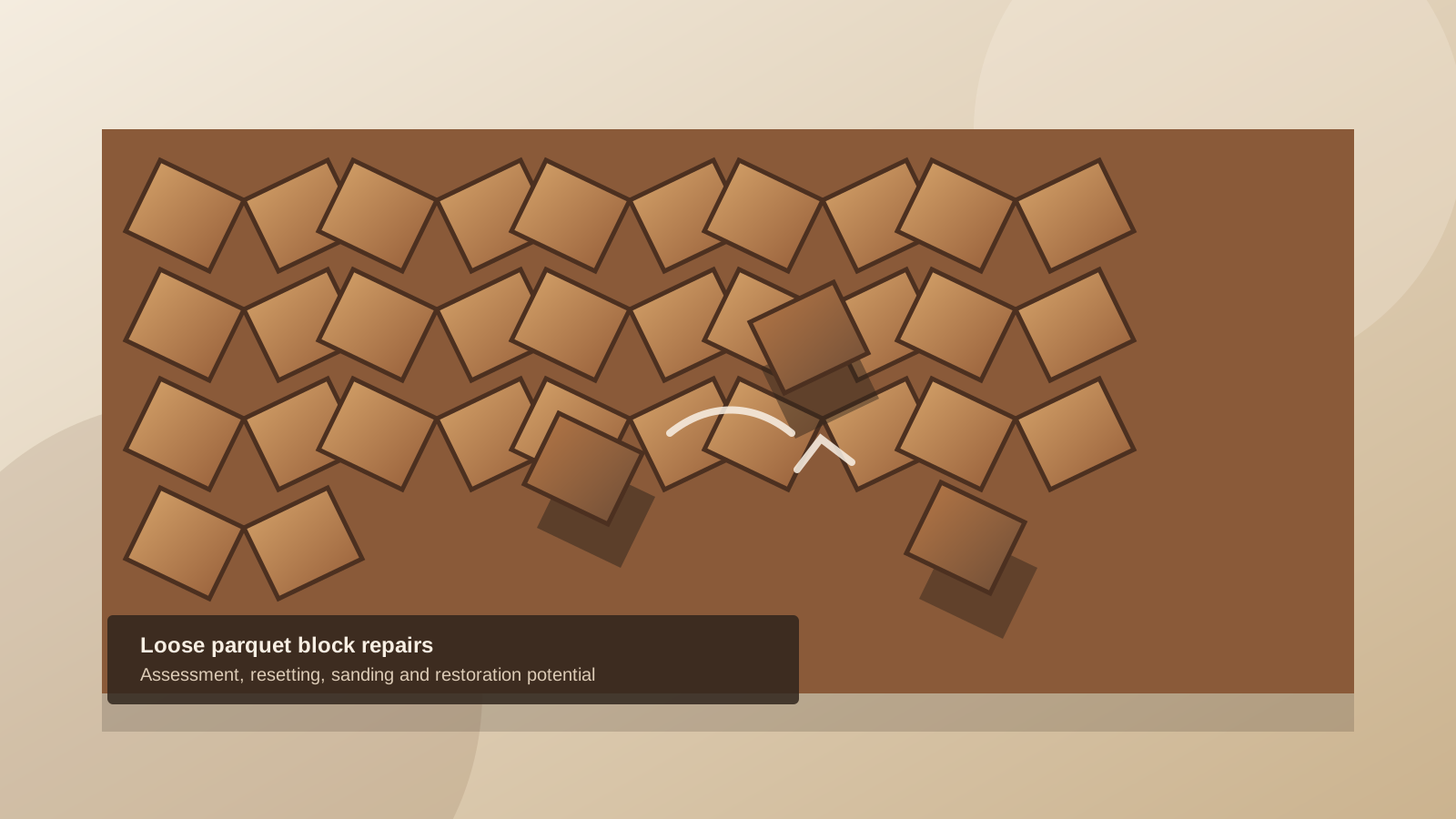
Often, yes. Many loose parquet blocks can be repaired, especially where the movement is isolated and the timber blocks remain in usable condition.
A typical repair may involve lifting loose blocks, cleaning old adhesive from the block and substrate, preparing the area properly and securing the blocks back into the pattern.
Where blocks are missing or too damaged to reuse, suitable replacement pieces may be needed. Matching size, timber and appearance matters, especially on visible parquet patterns.
The repair also needs to respect the pattern. If blocks are reset slightly out of line, the problem may become visible after sanding because parquet patterns rely on accurate alignment.
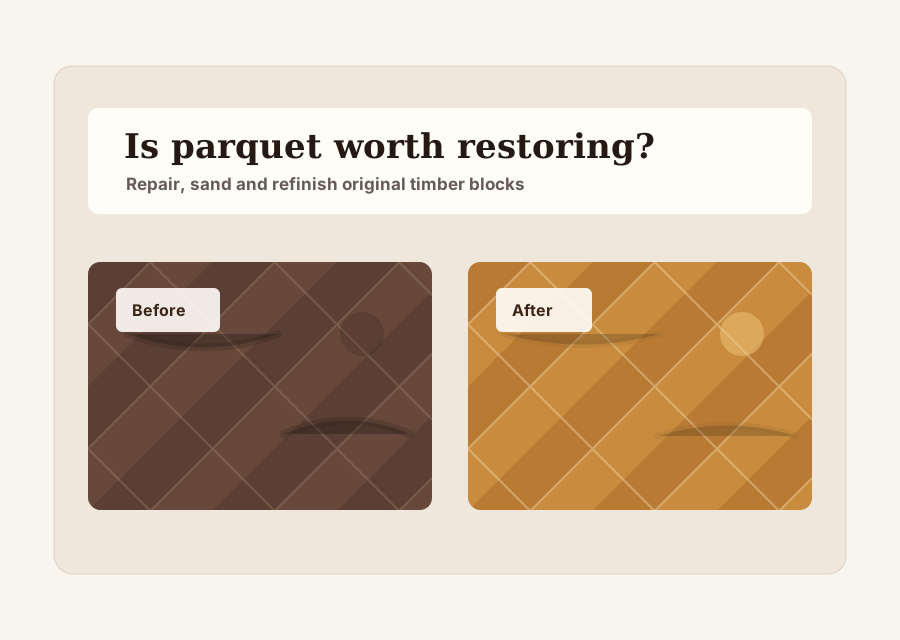
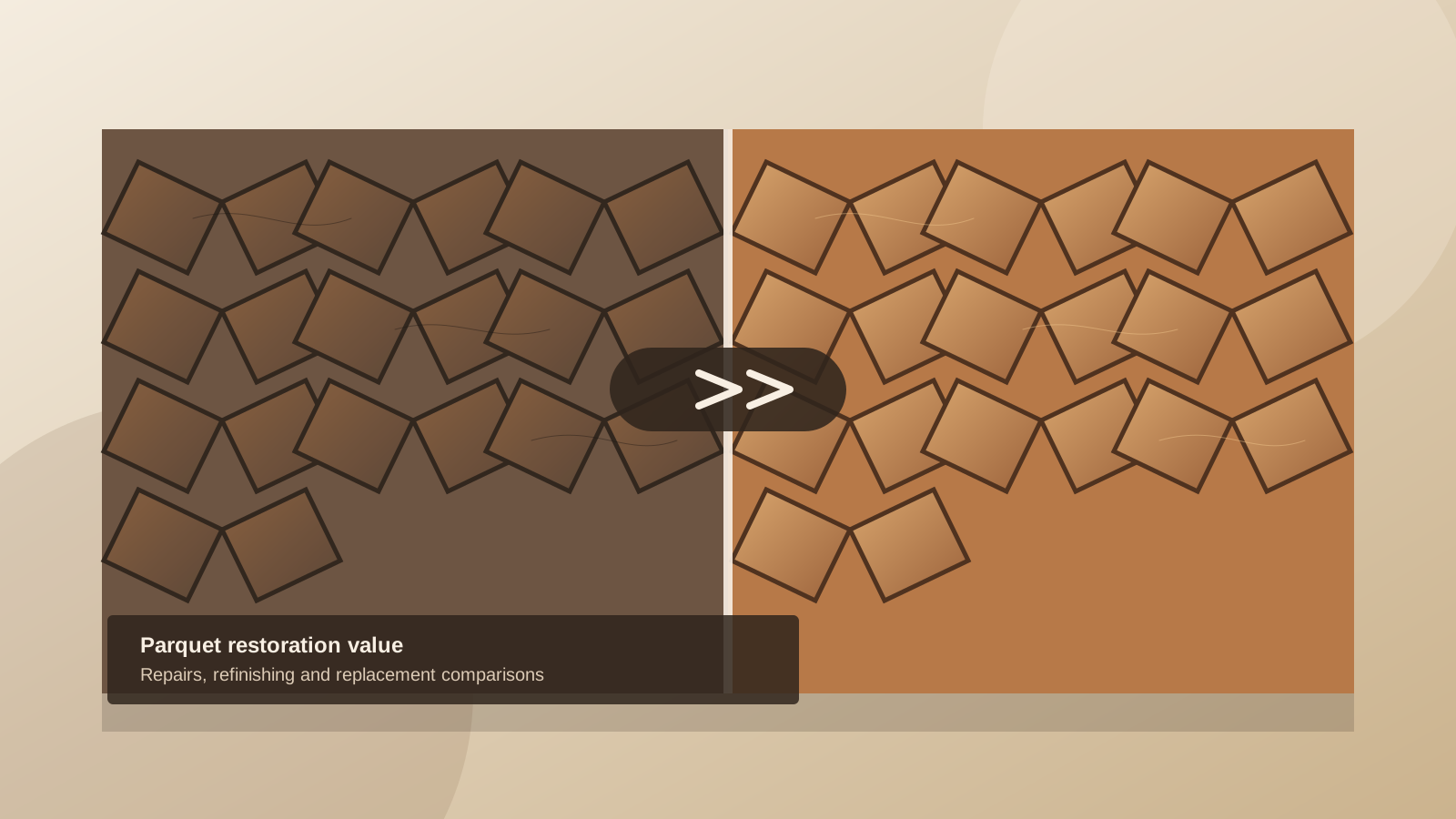
Many parquet repairs are about saving the existing floor rather than replacing it. If most of the parquet remains stable, localised repairs can often prepare the floor for sanding and finishing.
Parquet floor restoration combines this repair-led approach with careful sanding and finishing where the floor is suitable.
The result depends on the condition of the blocks, the subfloor and the extent of movement. A proper assessment is more reliable than judging the floor from one loose area alone.
When repairs are usually worthwhile
Repairs are usually worth considering when the parquet is original, made from good-quality hardwood, or forms an important feature of the room.
Localised movement is often a positive sign because it suggests the problem may be contained. A small area of loose blocks can often be addressed before the floor is sanded and refinished.
Repairable damage also supports restoration. Blocks that are loose but not rotten, badly split or severely distorted can often be reused after preparation.
Many older parquet floors retain substantial restoration potential because the timber itself is still sound. The surface may look worn, but the blocks may still respond well once secured and refinished.
Wood floor repairs can be an important first stage before the wider restoration work begins.
Repairs are especially worthwhile when replacement would remove a distinctive pattern or original feature that would be expensive to recreate with new materials.
When replacement may be necessary
Not every loose parquet floor is a good repair candidate. Some floors genuinely reach a point where replacement becomes more sensible.
Severe structural failure is one example. If the subfloor beneath the parquet is unstable, damp or failing across a large area, the issue may need deeper work before any blocks can be secured.
Extensive water damage can also limit repair options. Blocks that are swollen, rotten, badly distorted or affected by long-term moisture may not be suitable for reuse.
Widespread instability is another concern. If large sections of parquet are moving, lifting or hollow, the repair work may become disproportionate compared with replacement.
Major timber loss can also affect value. If many blocks are missing or cannot be matched sensibly, a careful comparison between repair and replacement is needed.
These situations are less common than homeowners often assume, but they do happen. Honest advice should explain when restoration remains practical and when replacement may provide better long-term value.
What happens during parquet repairs?
Parquet repairs usually begin with assessment. The floor is checked for loose blocks, hollow areas, gaps, moisture concerns, subfloor condition and previous repair work.
Where required, loose or damaged blocks are lifted carefully. The aim is to preserve usable blocks wherever possible, because original blocks often match the floor better than new material.
The substrate then needs preparation. Old adhesive, debris and unstable material may need removing so the block can bond properly when reset.
Blocks are then secured back into position using an approach suited to the floor and subfloor. Missing or unusable pieces may be replaced where suitable matching timber is available.
The repaired area then needs time to become stable before the final surface work is considered. Rushing into sanding before movement is controlled can leave the floor looking better without solving the underlying issue.
Once the repaired areas are stable, sanding and finishing may be appropriate. This is where dustless floor sanding can help blend repaired sections into the wider floor.
Repairs are often part of a wider restoration process rather than a separate cosmetic fix. The aim is to stabilise the parquet first, then restore the surface so the floor looks and performs as one complete floor.
Photos that help us assess parquet problems
Photos are useful when asking for initial advice about loose parquet blocks. They help show whether the problem appears isolated or part of a wider movement issue.
Take a full room photo so the layout and scale are clear. Then include close-ups of the loose blocks, gaps, lifting sections, damaged pieces and any areas that sound hollow or move underfoot.
Photos of thresholds, edges and corners can also help because parquet movement often shows up around transitions or perimeter areas.
If there has been a leak, damp issue or previous repair, include photos of that area too. Moisture history can change the repair recommendation.
You can send us photos through the quote form. We can often give initial guidance from clear images, although some floors need closer inspection before a firm recommendation is made.
Quick parquet repair guide
Use this guide as a starting point. The right answer still depends on the condition of the blocks, adhesive, subfloor and surrounding parquet.
Frequently Asked Questions
Can loose parquet blocks be repaired?
Yes, many loose parquet blocks can be repaired if the timber and subfloor are suitable. The blocks may be lifted, cleaned, reset and stabilised before finishing.
Why is my parquet flooring lifting?
Parquet can lift because of adhesive failure, moisture changes, water damage, subfloor movement, heavy wear or previous poor repairs.
Do loose blocks mean the floor needs replacing?
Not necessarily. A few loose blocks or localised movement can often be repaired. Replacement is more likely when instability or damage is widespread.
Can water damage cause parquet movement?
Yes. Moisture can weaken adhesive, swell blocks and cause movement. Some water damaged parquet can be repaired, but severe damage needs assessment.
How are parquet repairs carried out?
Loose blocks are usually assessed, lifted where needed, cleaned, reset securely and then sanded or finished if the wider floor is suitable.
Is parquet restoration worth it if blocks are loose?
Often, yes, if the movement is localised and the parquet is otherwise sound. Repairs can form the first stage of a successful parquet restoration.