What does water damage look like?
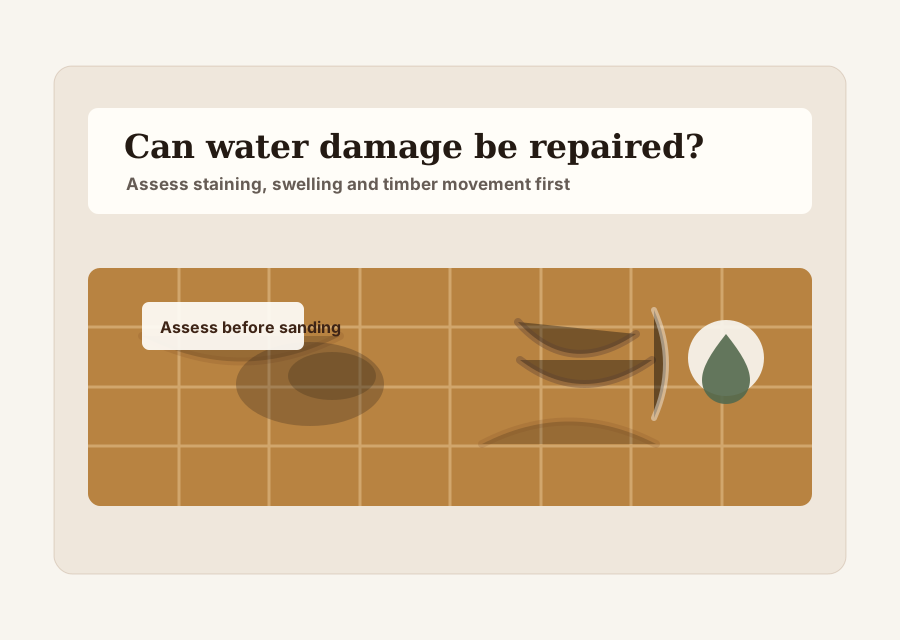
Water damage can show itself in several different ways. Some floors develop black staining or dark rings. Others swell, cup, lift, warp or open up with gaps. Parquet blocks may move or come loose, while the finish can turn cloudy, patchy or start to fail.
The same leak can affect two floors very differently. A small spill that is cleaned quickly may only mark the finish. A slow leak under a plant pot, appliance or radiator can sit unnoticed for weeks and cause deeper staining, movement or timber decay.
The amount of water, how long it remained in the floor, the floor construction and the condition of the timber all influence what can be repaired. Early assessment is helpful because it can preserve more options.
How different wooden floors react to water
Different wooden floors react differently to moisture. The construction of the floor matters just as much as the surface species.
Original Pine Floorboards
Pine floorboards can stain, swell and move after water exposure. Localised damage may be repairable, especially where the boards remain structurally sound, but deep black staining or rot may require board replacement.
Oak And Hardwood Floors
Oak and hardwood floors may cup, warp or develop dark staining when exposed to moisture. Some can be sanded and refinished after drying, but severe distortion or prolonged saturation needs careful assessment.
Parquet Flooring
Parquet often reacts by lifting or moving because individual blocks depend on the adhesive bond beneath them. Loose blocks may be repairable, but widespread adhesive failure can make the project more complex.
Engineered Wood Flooring
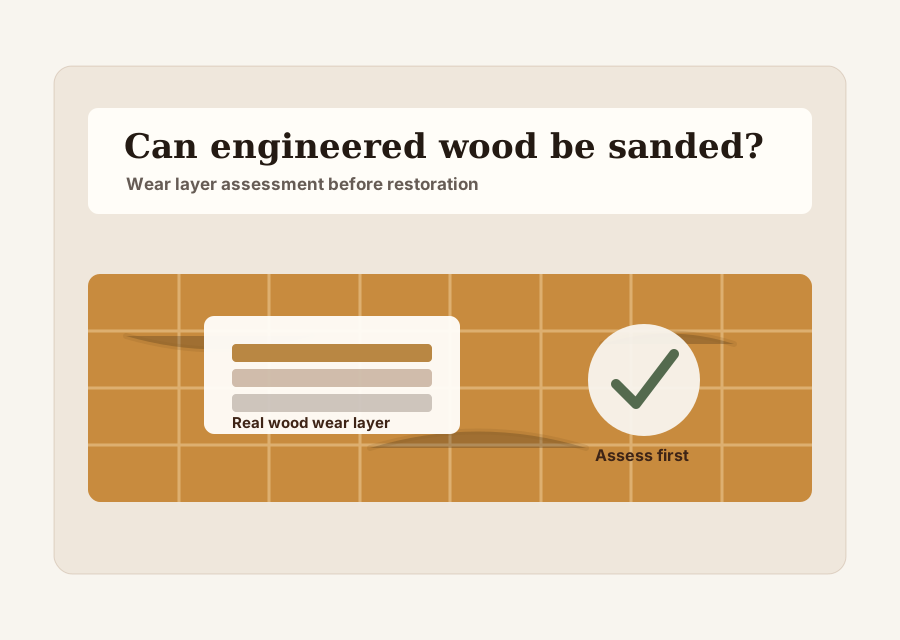
Engineered wood can delaminate, swell or separate if moisture reaches the core layers. Some engineered floors can still be restored, but the wear layer and construction need careful assessment through engineered wood floor restoration advice.
Can water damaged floors be repaired?
Yes, some water damaged wooden floors can be repaired. Localised staining, isolated board damage, limited swelling and individual loose parquet blocks may all be suitable for repair depending on the condition of the timber and subfloor.
The important distinction is repair versus replacement. Repair may involve replacing individual boards, securing loose blocks, dealing with damaged thresholds or preparing affected areas before sanding and finishing. Full replacement is usually only considered when the damage is widespread, unsafe or impractical to repair.
WoodXpert carries out wood floor repairs where suitable, but we will also explain when repair work would not be the most sensible long-term option.
Common water damage problems
Water damage is not one single problem. The visible issue often tells us something about how moisture has affected the timber, finish or structure beneath.
Black Staining
Black staining usually suggests moisture has reacted with the timber, old finish, metal fixings or contamination. Light marking may improve, but deep black staining can be difficult to remove completely.
Lifting Parquet
Parquet blocks can lift when water weakens old adhesive or causes movement in the timber. Localised lifting is often repairable, while widespread movement needs a more detailed assessment.
Warped Boards
Warping happens when boards absorb moisture unevenly and change shape. Some movement may settle after drying, but severe distortion can leave boards unsuitable for sanding.
Cupping
Cupping is where board edges rise higher than the centre. It can sometimes improve after drying, but sanding too early can cause further issues if moisture remains in the floor.
Finish Failure
Water can turn finishes cloudy, patchy or flaky. If the timber beneath remains sound, sanding or restoration may renew the surface and protection.
When restoration may be possible
After appropriate drying, some water damaged floors may be suitable for repairs, sanding, refinishing or restoration. Timing matters: the floor should not be sealed or sanded while moisture is still trapped in the timber.
If the floor is stable and the damage is mainly in the surface, dustless floor sanding may remove old finish, reduce staining and prepare the timber for a new protective finish. Severe staining is not guaranteed to disappear, but many floors can still be improved significantly.
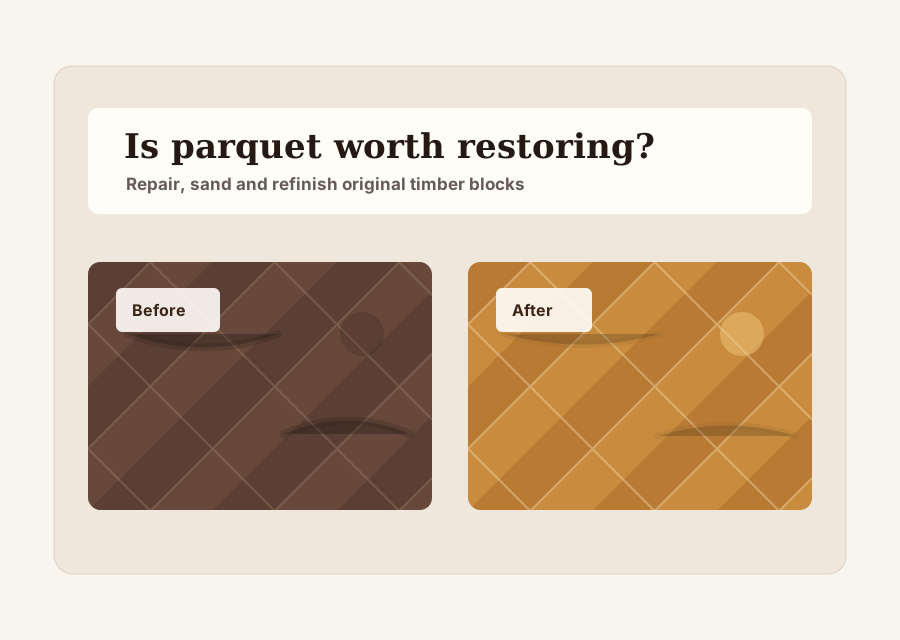
For loose or lifted blocks, parquet floor restoration may involve securing affected areas before sanding and finishing. The best route depends on whether the problem is localised or widespread.
When replacement may be necessary
Replacement may be necessary where timber is rotten, structurally unstable, extensively delaminated or unsafe. Prolonged saturation can cause damage that goes beyond the finish and into the structure of the floor.
Engineered floors with widespread delamination can be particularly difficult to save because the layers may separate. Solid boards can sometimes be repaired locally, but if large areas are distorted, soft or unstable, replacement may be the more sensible recommendation.
These situations are less common than homeowners often fear, but they do occur. A calm assessment is better than assuming the worst or promising restoration where the floor is no longer sound.
What photos help us assess water damage?
Photos help us understand the type and scale of water damage before advising on next steps. You can send us photos through the quote form.
Useful photos include the whole affected room, close-ups of staining, lifting boards, gaps, parquet movement, thresholds and any obvious source of moisture such as a leak, appliance, plant pot or doorway.
If the floor is engineered and you have product details, spare boards or underside information, include those too. That can help us understand whether sanding, restoration or replacement is likely to be safe.
Quick decision guide
These signs can help you understand the likely direction before arranging advice. The safest recommendation still depends on drying, stability and the condition of the timber.
Frequently Asked Questions
Can black water stains be removed from wooden floors?
Some black staining can be reduced through sanding and refinishing, but deep stains may remain visible. Assessment is needed before promising a result.
Can water damaged parquet flooring be repaired?
Often, yes. Localised lifting or loose blocks can frequently be repaired, but widespread adhesive failure or subfloor issues need closer assessment.
How long should a floor dry before restoration?
There is no single drying time. It depends on how much water entered the floor, ventilation, floor construction and moisture levels. The floor should be properly assessed before sanding or sealing.
Can engineered wood floors recover from water damage?
Some engineered floors can be restored after minor water exposure, but delamination, swelling or damage to the core layers can make replacement more likely.
Does swelling always mean replacement?
No. Some swelling may settle after drying, but severe distortion, movement or softness can mean repair or replacement is needed.
How do I know whether my floor can be saved?
Send clear photos of the full room, damaged areas, staining, lifting boards and any known moisture source. WoodXpert can usually advise whether repair, restoration or inspection is the next step.