What is hardwax oil?
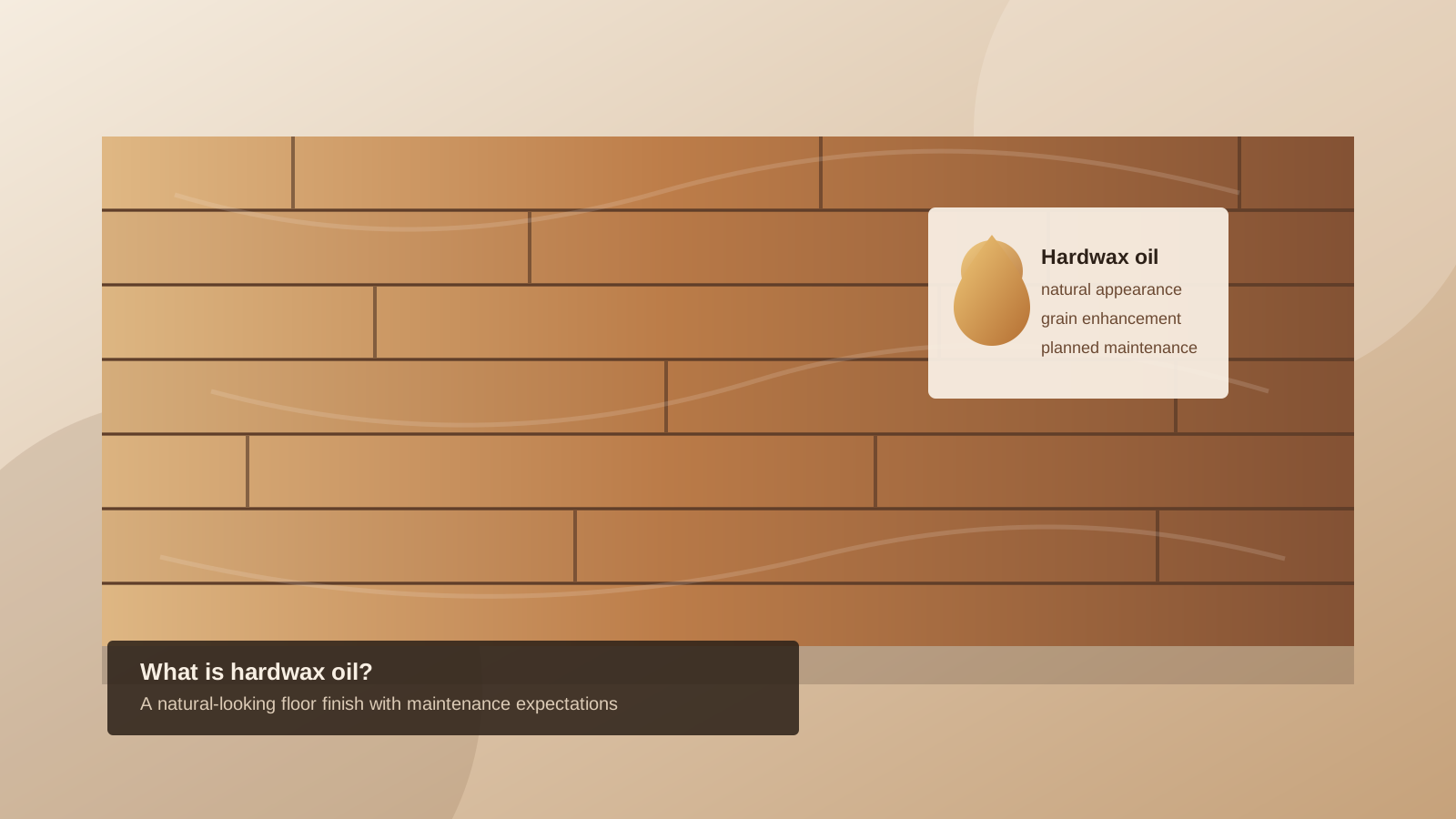
Hardwax oil is a finish system designed to protect timber while maintaining a natural appearance. It is commonly used on wooden floors where the owner wants the floor to look and feel closer to the timber itself rather than a more coated surface.
The finish usually combines penetrating oils with protective wax components. The oil element helps bring out the grain and character of the timber, while the wax element contributes surface protection.
In practical terms, hardwax oil sits somewhere between a traditional oil finish and a more protective floor coating. It does not behave exactly like lacquer, and it should not be maintained in the same way.
Many homeowners like hardwax oil because it can make timber look warm, natural and tactile. It can suit character boards, period properties, parquet floors and spaces where a softer, more traditional appearance is wanted.
The important point is that finish choice should never be based on appearance alone. A hardwax oiled floor needs the right cleaning routine, periodic maintenance and realistic expectations about wear.
For some households it is a very suitable finish. For others, a modern lacquer system may be more practical.
How does hardwax oil work?
Hardwax oil works partly within the timber rather than forming the same type of surface film as many lacquer systems. The oil element penetrates the surface and enhances the grain, while the wax element helps provide a protective layer.
This is why hardwax oil often gives a natural appearance. Instead of creating a clear coating that sits visibly over the timber, it tends to leave the wood looking more open, textured and characterful.
The floor still receives protection, but that protection relies on suitable application and ongoing care. If the finish becomes dry, worn or under-maintained, the timber may become more vulnerable to dirt and moisture.
Hardwax oil can also change how repairs are approached. In some cases, small worn areas can be cleaned, prepared and refreshed more locally than a lacquered floor. That local repair potential is one of the reasons people like it.
However, local repairability should not be confused with no maintenance. A hardwax oiled floor usually asks more of the homeowner over time than a modern lacquered floor.
The best results come when the finish is matched to the household, not simply chosen because it sounds natural or traditional.
How is it different from lacquer?
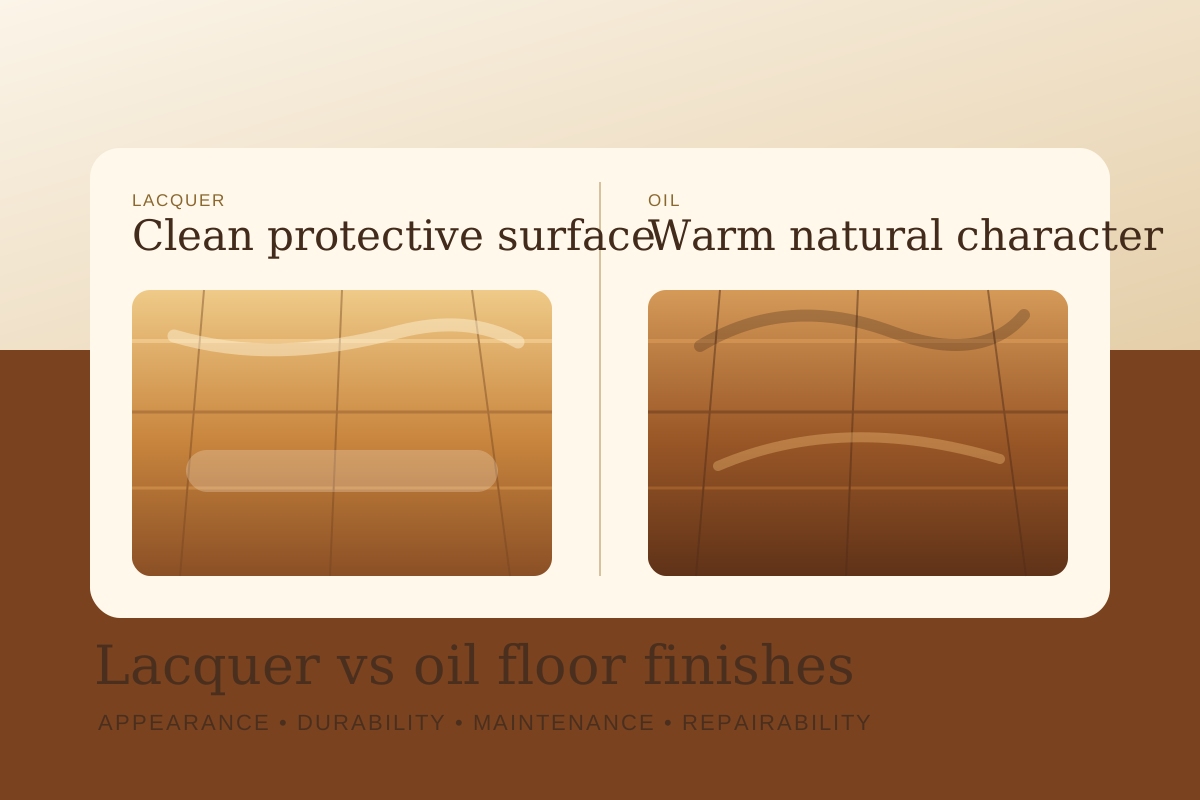
Hardwax oil and lacquer protect timber in different ways. Neither is automatically better, and the right choice depends on how the room is used.
Hardwax oil is often chosen for its natural appearance, grain enhancement and localised repair potential. It can suit homeowners who like a traditional timber feel and are comfortable with ongoing maintenance.
Lacquer forms a protective surface coating over the timber. Modern lacquer systems are popular in family homes because routine cleaning is straightforward and maintenance demands are usually lower.
A lacquered floor can be very practical in kitchens, hallways, rentals and busy living spaces. A hardwax oiled floor can be beautiful in rooms where the natural character of the wood is the main priority.
The difference becomes clearer over time. Lacquer tends to protect as a coating until that coating wears. Hardwax oil tends to need more periodic refreshing to maintain its protective qualities.
Our lacquer vs oil guide explains the wider differences between these finish families, including appearance, durability, maintenance and repairability.
Advantages of hardwax oil
The main advantage of hardwax oil is appearance. It can give timber a natural, characterful look that many people find warmer and less coated than lacquer.
It can enhance grain, knots, colour variation and the texture of the timber. This can be especially attractive on older floorboards, parquet and floors where natural character is part of the appeal.
Localised repair potential is another advantage. Depending on the product, the wear, and how the floor has been maintained, small areas may sometimes be refreshed without treating the entire room in the same way a lacquer repair might require.
Hardwax oil can also suit homeowners who enjoy maintaining timber as a living material. For the right person, the maintenance routine is not a burden; it is part of owning a natural floor.
The finish can work well in period homes where an overly coated look would feel out of place. It can also suit design schemes that prioritise texture, subtle sheen and natural materials.
These advantages are real, but they need to be weighed against use. A finish that suits a quiet sitting room may not be the best answer for a busy hallway with pets and outdoor shoes.
Disadvantages of hardwax oil
The main disadvantage of hardwax oil is maintenance. It usually needs more ongoing care than a modern lacquer system, especially in busy areas.
Periodic refreshing may be required to keep the floor properly protected. If this maintenance is ignored, the surface can become dry, dull or more vulnerable to marking.
Cleaning routines need to be compatible with the finish. Harsh products, excessive water, steam mops or unsuitable polish can affect appearance and performance.
Hardwax oil can also show wear differently from lacquer. High-traffic routes may need attention sooner, particularly around doorways, kitchens, desks, dining areas and routes used by pets.
These are not flaws exactly; they are ownership considerations. Some homeowners are happy with the maintenance rhythm because they value the natural look. Others prefer a lower-maintenance finish.
If you want a floor that needs minimal thought between normal cleaning routines, a modern lacquer system may be the more practical choice.
Where hardwax oil works best
Hardwax oil often works best where natural appearance is a high priority and the owner is comfortable with maintenance. Period properties are a common example because the finish can complement older timber and traditional interiors.
It can suit lower-traffic areas where the floor is less exposed to outdoor grit, frequent spills, pets or heavy furniture movement.
Bedrooms, studies, formal living rooms and character spaces can be good candidates, depending on the timber and the desired look.
It may also suit homeowners who enjoy caring for timber and understand that periodic maintenance is part of keeping the floor protected.
In busier households, the decision needs more thought. Dogs, children, heavy traffic and rental use do not automatically rule out hardwax oil, but they increase the importance of maintenance and realistic expectations.
Different households have different priorities. A finish that is perfect for one home may be frustrating in another if the maintenance requirement does not match the way the room is used.
Maintenance requirements
Maintenance expectations are often the biggest deciding factor with hardwax oil. Routine cleaning should be gentle, low-moisture and compatible with the finish system.
Dry cleaning is important because grit can abrade the surface. Regular vacuuming or sweeping helps prevent fine dirt being walked across the timber.
Damp cleaning should be controlled. The mop or pad should be lightly damp rather than wet, and the floor should dry quickly. Our guide on how to clean a wooden floor properly explains safe routines for timber floors.
Over time, hardwax oiled floors may need refresher treatments or maintenance oil depending on use and product system. High-traffic areas usually need attention first.
This maintenance can help extend the life of the finish. Our guide to how long a restored floor lasts explains why finish choice and aftercare both affect long-term performance.
If maintenance is delayed until the timber looks dry, grey or exposed, the floor may need more involved restoration rather than a simple refresh.
Quick comparison guide
This comparison is a practical starting point. Many WoodXpert clients ultimately choose modern lacquer systems such as Bona Traffic HD because of their durability and lower maintenance requirements, particularly in busy family homes.
That does not make hardwax oil the wrong choice. It simply means the finish should match the room, the timber and the owner’s appetite for maintenance.
Frequently Asked Questions
What is hardwax oil?
Hardwax oil is a wood floor finish that combines oils and wax components to protect timber while keeping a natural appearance.
Is hardwax oil better than lacquer?
Not automatically. Hardwax oil offers a natural look and repair potential, while lacquer usually offers lower maintenance and strong surface protection.
Does hardwax oil require maintenance?
Yes. Hardwax oiled floors usually need compatible cleaning and periodic refreshing to maintain protection, especially in high-traffic areas.
Can hardwax oil be used on parquet flooring?
Yes, hardwax oil can be used on suitable parquet floors, but the floor should be repaired, sanded and prepared properly before finishing.
Is hardwax oil suitable for homes with dogs?
It can be suitable in some homes with dogs, but maintenance expectations are important. Busy pet routes may need more care than a durable lacquered floor.
Why do many homeowners choose lacquer instead?
Many homeowners choose lacquer because it is durable, easy to clean and usually needs less routine maintenance, especially in busy family homes.