What dog owners should realistically expect
Dogs do not automatically damage wooden floors. Many homes with dogs have wooden floors that perform well for years, but expectations need to be realistic.
The level of wear depends on several things: breed size, activity levels, nail condition, traffic patterns and how the floor is cleaned. A small older dog in a quiet home creates a very different level of wear from a large active dog running through a busy hallway every day.
All floor finishes eventually show wear. That is true in homes with dogs and homes without them. The aim is to manage wear sensibly rather than imagine it can be eliminated entirely.
The most vulnerable areas are usually doorways, routes to the garden, kitchens, living spaces and anywhere the dog turns quickly. Grit from outside can be just as damaging as claws because it gets walked across the finish repeatedly.
A good finish choice can help the floor cope with family life, but it works best alongside regular maintenance, sensible cleaning and simple protective habits.
Lacquer versus oil for homes with dogs
Lacquer and oil can both work in homes with dogs, but they behave differently. The right choice depends on how the room is used, the appearance you want and how much maintenance you are comfortable with.
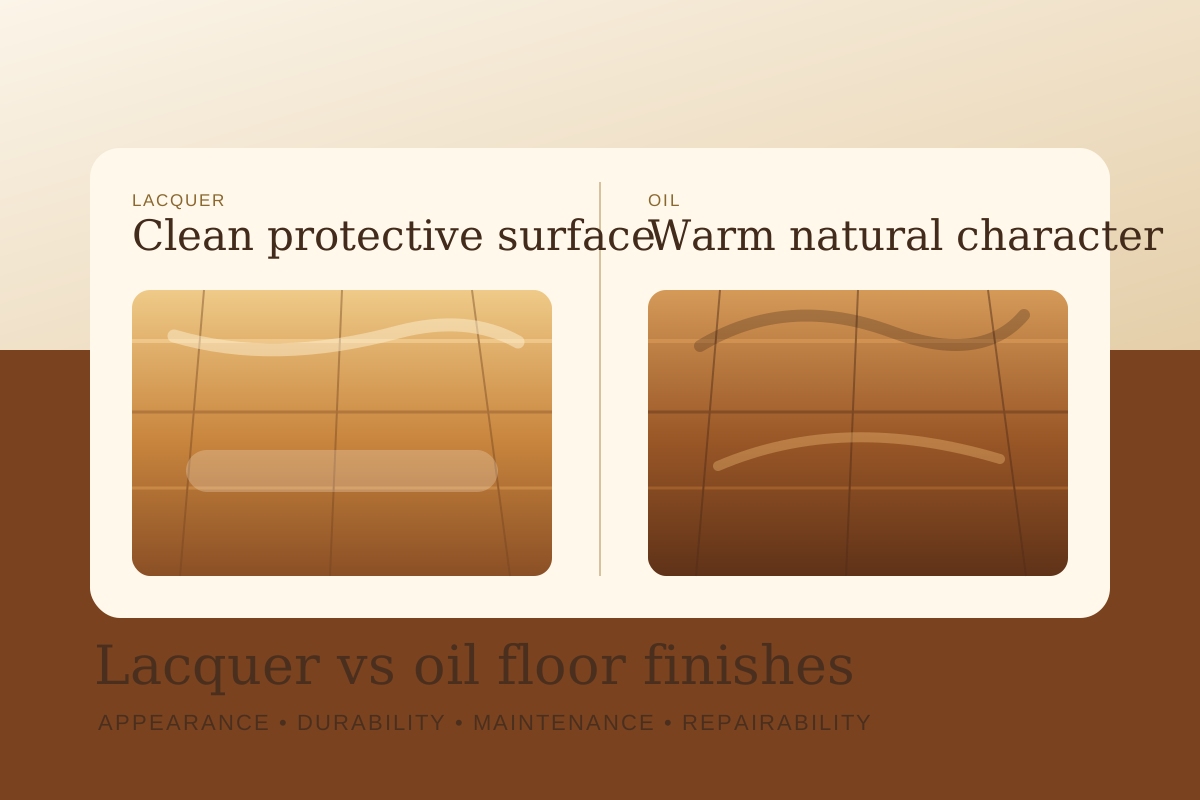
Lacquer forms a protective coating over the timber surface. It is often popular in family homes because it is durable, relatively easy to clean and available in practical matt or satin finishes.
For dog owners, lacquer can be a strong choice where easy cleaning matters. Muddy paws, light spills and everyday dirt are usually easier to manage when the surface coating is intact and maintained properly.
Oil gives a more natural appearance and penetrates the timber differently. Oiled floors often have a warmer, more traditional feel and can sometimes be maintained locally, depending on the product and the type of wear.
The trade-off is that oiled floors usually need a more active maintenance routine. In busy homes with pets, that commitment matters.
Our detailed guide to lacquer vs oil explains the practical differences in more depth. For many dog-owning households, the decision comes down to ease of cleaning versus preferred appearance and repair approach.
Matt versus satin finishes
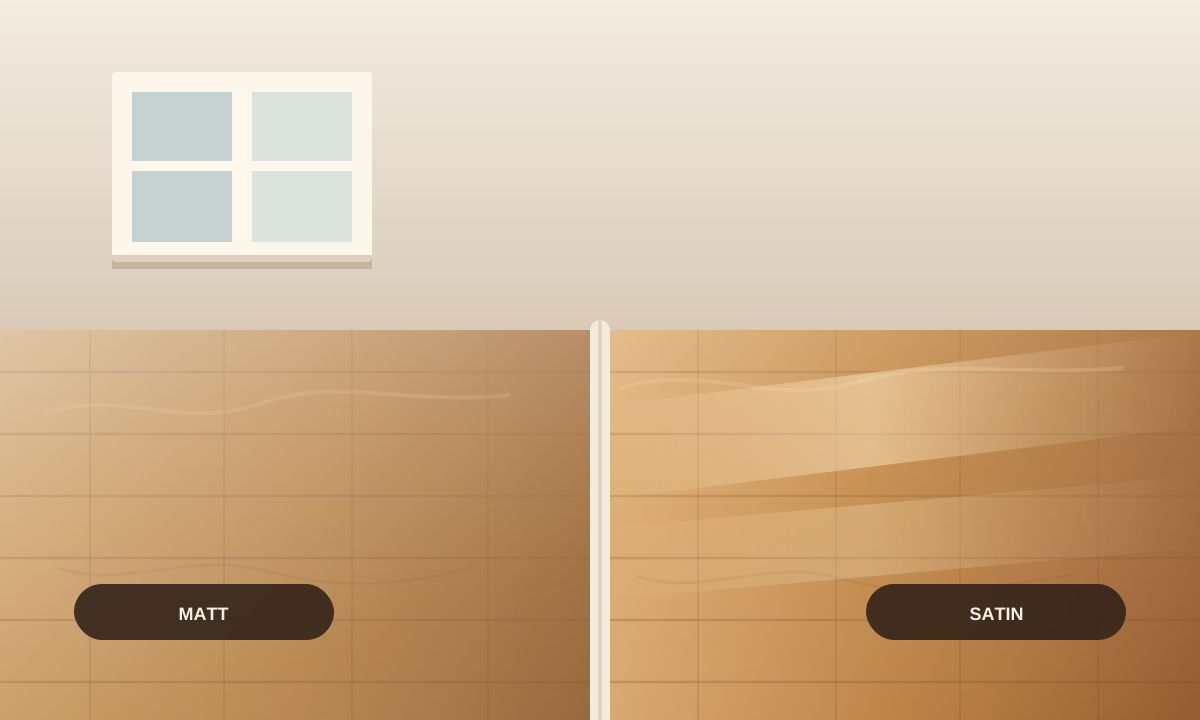
Sheen level affects how marks appear. A matt finish has lower light reflection, while satin reflects slightly more light and can make a floor look a little brighter.
For homes with dogs, matt and extra matt finishes are often popular because they tend to make minor scratches, dust and paw marks less visually obvious. They do not stop scratches happening, but they can make daily wear less noticeable.
Satin can still be a practical and attractive finish. It may suit darker rooms, period properties or homeowners who prefer a little more visible sheen. The trade-off is that angled light can sometimes make fine scratches or scuffs easier to see.
The finish system still matters more than sheen alone. A good matt finish is not automatically tougher than a good satin finish; it simply reflects light differently.
Our guide to matt vs satin finishes explains how sheen affects appearance, scratch visibility and room feel.
Scratch resistance and visibility
There is an important difference between resisting scratches and hiding scratches. A finish may be durable but still show marks clearly under certain lighting. Another finish may experience similar wear but make it less obvious day to day.
Finish type influences protection. Lacquer, oil and hardwax oil all behave differently under traffic. Product quality, preparation and correct application matter too.
Sheen level affects visibility. Lower sheen finishes usually draw less attention to fine scuffs because they reflect less light. This is why matt finishes are often recommended for busy homes where a calm, forgiving appearance is preferred.
Timber species also plays a role. Pine is softer and may dent or mark more easily. Oak is harder and often copes better with everyday use. Parquet and engineered floors each have their own considerations.
The honest answer is that no finish makes a wooden floor immune to dog-related wear. The better question is which finish gives the most practical balance of durability, cleanability and appearance for the home.
Cleaning and maintenance considerations
Maintenance is just as important as finish selection in homes with dogs. Grit removal is the first priority because outdoor dirt and small stones can abrade the finish as they are walked across the floor.
Muddy paws should be dealt with promptly, using methods suitable for the floor finish. Wooden floors should be cleaned, not soaked. Excessive water can create problems around board edges, gaps and worn areas.
Water bowls, garden doors and feeding areas deserve extra attention. Mats can help, but they should be breathable and suitable for wooden floors so moisture is not trapped underneath.
Our guide on how to clean a wooden floor properly covers safe cleaning routines, steam mop concerns and common mistakes.
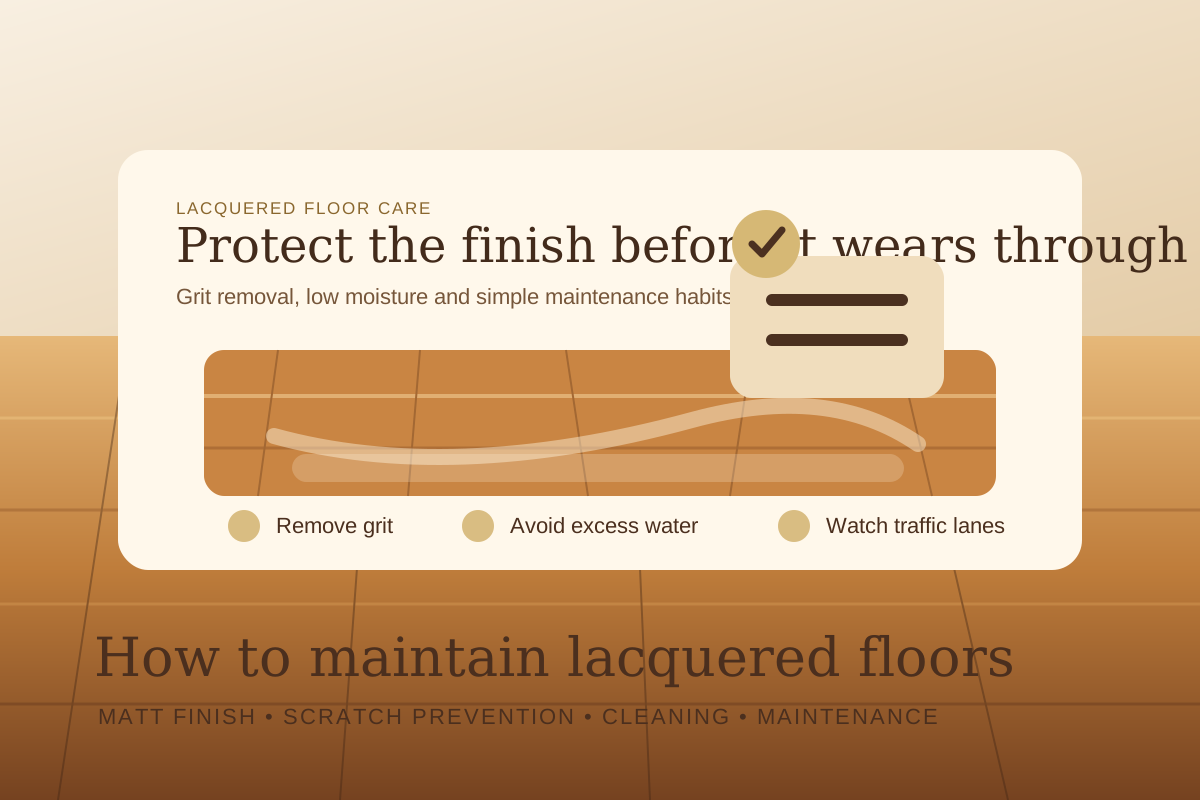
If your floor is lacquered, our guide to how to maintain lacquered floors explains traffic lanes, cleaning methods and signs that the finish may need professional attention.
Floor types and dog-friendly finishes
No floor type is perfect for every dog-owning home. The best result comes from matching the floor type, finish system and maintenance routine to the way the room is used.
Pine Floorboards
Pine is softer than oak, so it can show dents and claw marks more readily. That does not mean pine floorboards are unsuitable for homes with dogs, but expectations should be realistic.
A matt or lower-sheen finish can help keep the look calmer, while rugs and runners in busy routes can reduce concentrated wear.
Oak Floors
Oak is harder and often a strong choice for busy homes. It can still scratch, but it generally copes well with normal family use when finished and maintained properly.
Matt lacquer is a common practical option for oak floors in homes with pets, especially where easy cleaning and lower scratch visibility are priorities.
Parquet Flooring
Parquet can work well in family homes, but loose blocks or gaps should be addressed before finishing. A stable parquet floor with a suitable finish can be both practical and characterful.
Parquet floor restoration can include repairs, sanding and finishing so the floor is properly prepared before family life resumes.
Engineered Wood Floors
Engineered wood floors vary widely. Some have generous wear layers and can be restored in future, while others have limited sanding potential.
Engineered wood floor restoration starts with assessment because the finish choice should consider both current use and future restoration limits.
Other ways to protect your floor
A good finish helps, but practical habits make a major difference in homes with dogs.
Use entrance mats at external doors to catch grit before it reaches the floor. Consider runners in the routes your dog uses most often, especially from garden doors into kitchens or hallways.
Keep nails maintained where practical. Long claws can increase marking, particularly when dogs turn quickly or push off from the floor.
Use felt pads under furniture, and check them regularly. Dirty or worn pads can become abrasive. Avoid dragging heavy furniture across the floor.
Clean muddy paw prints promptly using a suitable method for the finish. Deal with water spills around bowls quickly, and avoid leaving damp mats sitting on the floor.
The simplest routine is often the best: remove grit regularly, clean carefully, protect high-use routes and ask for advice before wear reaches bare timber.
Quick finish comparison guide
This guide compares lacquer and oil in practical terms for dog-owning homes. The right choice still depends on the room, timber and maintenance expectations.
Frequently Asked Questions
What is the best floor finish for dogs?
There is no single best finish for every home with dogs. Many families choose durable matt lacquer for easy cleaning and lower scratch visibility, while oil can suit homes that prefer a natural look and accept more maintenance.
Is lacquer better than oil for dog owners?
Lacquer is often popular with dog owners because it creates a protective surface coating and is usually easy to clean. Oil can also work well, but it normally needs a different maintenance routine.
Do matt finishes hide scratches better?
Matt finishes often make fine scratches and scuffs less noticeable because they reflect less light. They do not prevent scratches, but they can make everyday wear easier to live with.
Can dogs damage wooden floors?
Dogs can mark wooden floors through claws, grit, water and repeated traffic, but sensible finish choice and maintenance can make wooden floors very practical in homes with pets.
Are engineered floors suitable for homes with dogs?
Some engineered floors are suitable for homes with dogs, but quality, wear layer thickness, finish type and maintenance all matter. Future restoration options may be more limited than with solid timber.
How do I keep a wooden floor looking good with pets?
Remove grit regularly, use entrance mats, keep nails maintained where practical, clean muddy paws promptly, avoid excessive water and ask for advice before finish wear reaches bare timber.