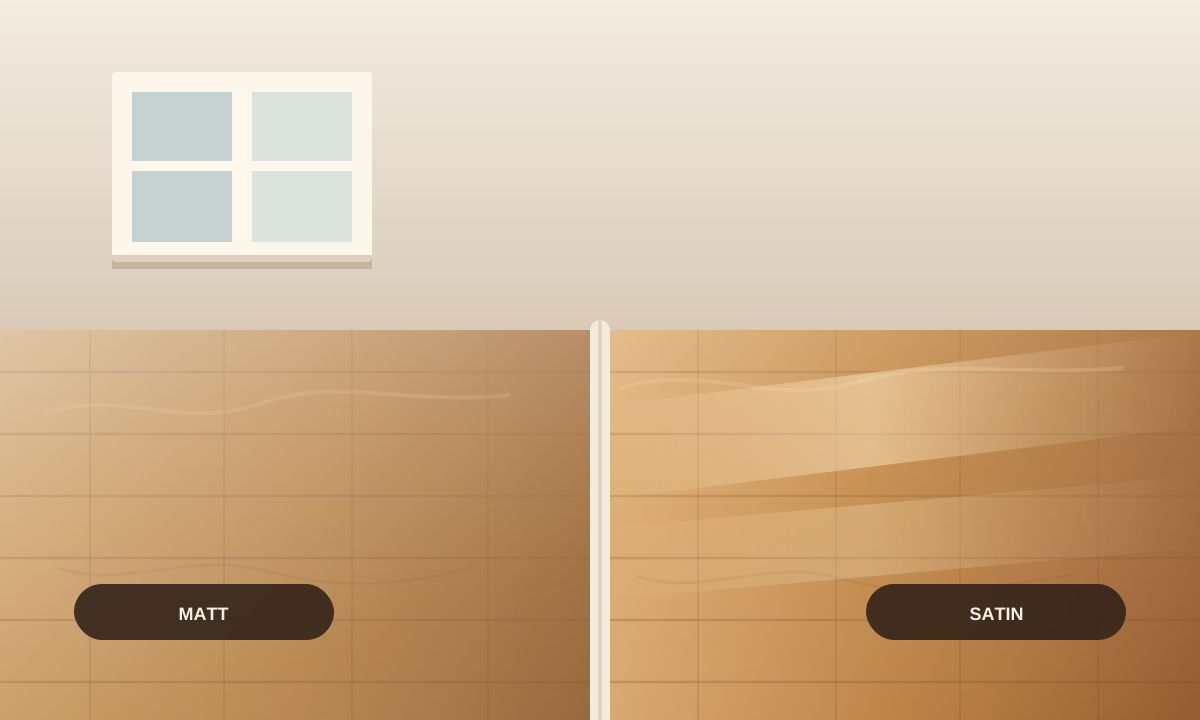
What is a matt finish?
A matt wood floor finish has very low light reflection. Instead of creating a noticeable shine across the surface, it gives the timber a calmer, more natural appearance.
This is why matt finishes have become so popular in modern restoration projects. Many homeowners want the floor to look like timber rather than a glossy coating. A matt finish can help the grain, colour and character of the wood take centre stage.
Matt finishes often suit rooms where the design is relaxed, contemporary or understated. They can work well with natural oak, lighter stain colours, parquet floors and older pine boards where the aim is to keep the floor looking authentic.
Low sheen does not mean unfinished. A professionally applied matt lacquer, oil or hardwax oil still provides protection. The difference is the way that protection looks once dry.
Because matt finishes reflect less light, they can also feel softer in bright rooms. They do not usually create the same glare or strong reflection that older high-shine finishes can produce.
What is a satin finish?
A satin finish sits between matt and gloss. It has more light reflection than matt, but it should not look heavily polished or mirror-like when applied well.
Satin has been a popular choice for wooden floors for many years because it gives the surface a gentle lift. It can make a floor look slightly brighter and can add a subtle richness to the colour of the timber.
For some rooms, satin feels more familiar and traditional. It can suit period properties, darker stains, formal living spaces and floors where the owner wants a visible finished appearance rather than the lowest-sheen look.
Satin is also a practical choice. Modern satin lacquers and finishes can perform very well in busy homes, and many customers like the balance between natural timber character and a little extra reflection.
The important point is that satin is not the same as old-fashioned gloss. A good satin finish should still feel controlled, elegant and suitable for everyday living.
Appearance differences
The main difference between matt and satin is how they handle light. Matt reduces reflection and tends to make the floor look more natural and subtle. Satin reflects more light, so the floor can appear brighter and slightly richer.
In a sunny room, satin may show more reflection across the boards, especially near windows or patio doors. Matt can reduce that glare and create a softer look. In a darker room, satin may help lift the surface slightly, although the effect is still influenced by wall colour, window size and artificial lighting.
Artificial lighting matters too. Spotlights, pendant lights and low evening lamps can all change how sheen appears. A satin finish may catch those light sources more clearly, while matt often absorbs the light more quietly.
Room orientation can make a difference. South-facing rooms often receive stronger natural light, so the difference between matt and satin can be more obvious. North-facing rooms may make both finishes appear more muted.
Colour choice also affects perception. A dark walnut stain with satin can feel richer and more reflective, while the same colour in matt may feel calmer and more contemporary. A pale natural oak finish in matt may feel very understated, while satin can add a little more warmth.
Durability and performance
Durability is mainly determined by the finish system itself rather than sheen level alone. A high-quality matt finish can outperform a poor satin finish, and a well-specified satin finish can be a very durable choice.
When comparing finishes, it is useful to think about the product type, number of coats, preparation, drying conditions and how the room is used. Modern lacquers, oils and hardwax oils all have different strengths, maintenance expectations and repair characteristics.
For busy family homes, pets and high-traffic areas, the quality of preparation matters enormously. Sanding scratches, old coatings, contamination or uneven surfaces can affect how well the new finish performs, whatever sheen level is chosen.
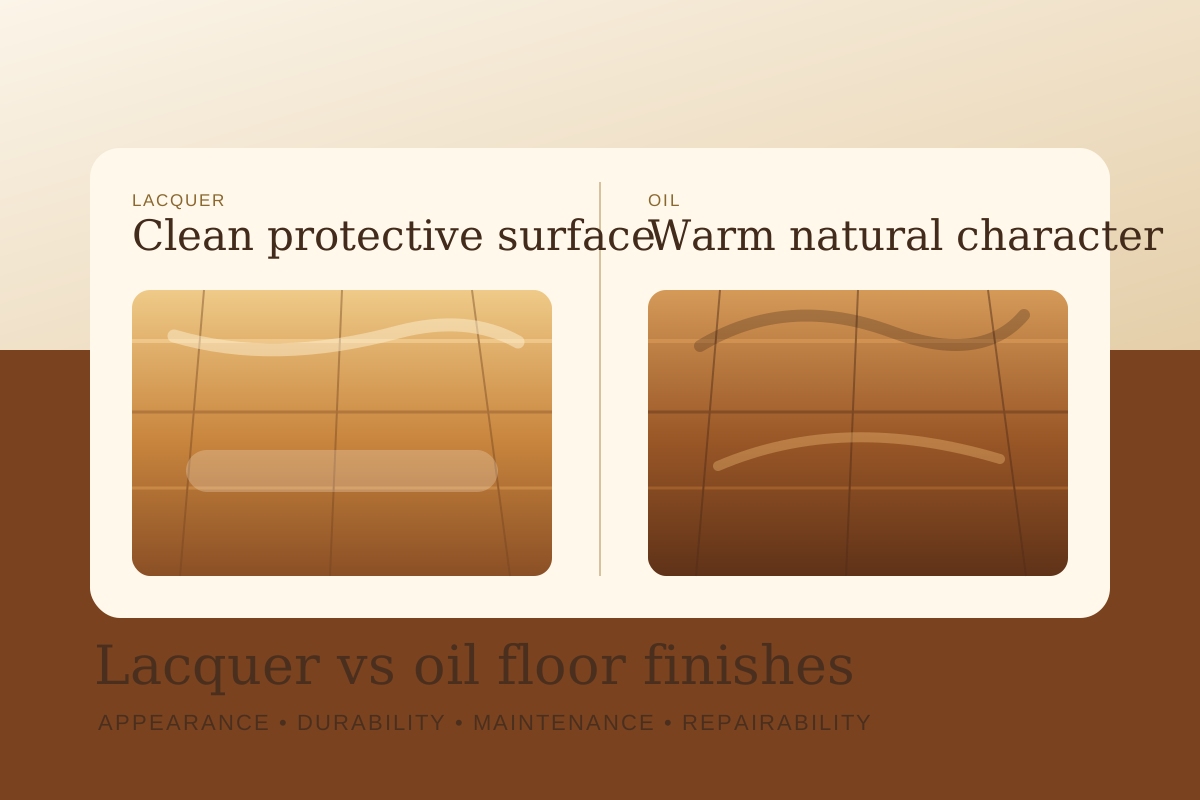
Our guide to lacquer vs oil explains the bigger difference between finish systems. Matt versus satin is usually a sheen decision within that broader finish choice.
If maximum practical durability is the priority, the conversation should start with how the room is used, then move on to the right finish system and sheen level.
Which finish hides scratches better?
Lower sheen finishes often make light scratches, dust, footprints and day-to-day marks less noticeable. This is one of the reasons matt and extra matt finishes have become increasingly popular.
The reason is simple: reflection draws attention to surface changes. When a finish reflects more light, small scratches or scuffs can catch that light and become easier to see from certain angles.
Matt finishes do not prevent scratches, but they can make light surface marks less visually obvious. This can be helpful in busy homes, open-plan spaces and rooms with pets or children.
Satin is not a poor choice for scratches. Many satin floors perform very well and are easy to live with. The difference is more about visibility than protection. A satin floor may show certain marks sooner in strong light because the reflection is slightly higher.
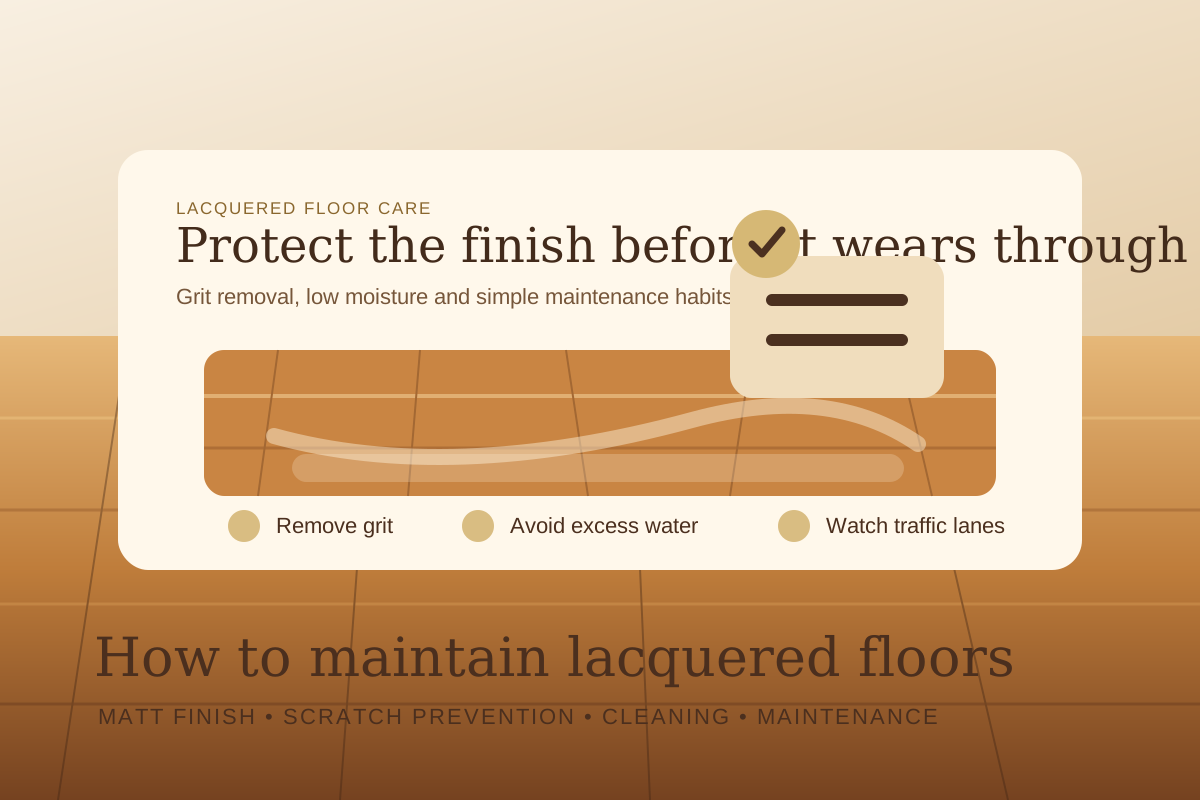
Good maintenance still matters with either option. Entrance mats, felt pads, suitable cleaning and prompt spill care will do more for long-term appearance than sheen choice alone.
Which finish suits different homes?
There is no single finish that suits every home. The right choice depends on design preference, traffic levels, lighting, pets, maintenance expectations and the type of timber being restored.
Family Homes
Matt is often popular in family homes because it gives a natural look and can make light surface marks less noticeable. Satin remains a strong option if the room would benefit from a little more brightness.
For busy family spaces, the finish system and preparation are more important than sheen alone. A practical matt or satin finish can both work well when properly specified.
Homes With Dogs
Homes with dogs often benefit from lower sheen finishes because claw marks and light scuffs can be less obvious. Matt does not make a floor scratch-proof, but it can be more forgiving visually.
Felt pads, rugs in high-use zones and regular grit removal still matter. A dog-friendly floor is usually about finish choice, maintenance habits and realistic expectations working together.
Period Properties
Both matt and satin can suit period homes. Matt can make original boards or parquet look understated and authentic, while satin can add a more traditional finished appearance.
The timber species, room style and existing features should guide the decision. A restored parquet floor may look beautiful in either sheen, but the mood of the room will feel different.
Modern Open-Plan Homes
Matt and extra matt finishes are very popular in modern open-plan rooms. They reduce glare across large floor areas and help create a calmer, more natural appearance.
If the room has limited natural light, satin may be worth considering because it can add a gentle lift without moving into a high-gloss look.
Rental Properties
Rental properties usually need a practical, easy-to-maintain finish. Matt can hide light marks well, while satin can make the floor look freshly finished and bright.
The best choice depends on the likely use of the room and the maintenance routine after restoration. A durable finish system and sensible aftercare are more important than choosing sheen by trend alone.
Current design trends
Current interior trends lean strongly towards matt, extra matt and natural-looking finishes. Many homeowners want restored floors to feel calm, warm and part of the room rather than shiny or heavily coated.
Natural oak tones, pale finishes, soft walnut colours and low-sheen lacquers are all common requests. Customers often ask for a floor that looks restored and protected without looking overly polished.
That said, trends are not rules. Satin is still widely chosen because it can add warmth, depth and a familiar finished look. In the right room, satin can feel more appropriate than matt.
Personal preference should remain central. A finish that suits your home, lighting and lifestyle is better than a fashionable choice that never feels quite right in the room.
Our wood floor staining and finishing service includes advice on sheen, colour and finish system so the final result suits both the timber and the way the room is used.
Quick comparison guide
This comparison gives a practical overview. It is not about one finish being universally better, but about choosing the sheen level that best fits the room and the way the floor will be used.
Frequently Asked Questions
Is matt or satin better for wooden floors?
Neither is automatically better. Matt gives a lower-reflection, more natural look, while satin adds a gentle sheen and can make the floor appear slightly brighter.
Does matt hide scratches better?
Matt finishes often make light scratches and scuffs less noticeable because they reflect less light. They do not prevent scratches, so good maintenance is still important.
Does satin make a room look brighter?
Satin can add a little more light reflection than matt, which may help a floor feel brighter. The effect also depends on natural light, wall colours and the timber itself.
Which finish is more modern?
Matt and extra matt finishes are very popular in current interiors because they create a natural, understated appearance. Satin remains a practical and attractive choice in many homes.
Which finish is best for dogs?
Lower sheen finishes are often more forgiving visually in homes with dogs because light claw marks can be less obvious. The finish system and maintenance routine are still important.
Can I change from satin to matt during restoration?
Yes, in many cases the sheen can be changed during sanding and refinishing. The existing finish is removed, the timber is prepared and a new matt or satin finish can be applied.