
What does “lasting” actually mean?
When homeowners ask how long a restored wooden floor will last, they are usually asking about the finish rather than the timber itself. Those are two different things.
A wooden floor can still be structurally sound even when the finish is starting to show wear. The boards, parquet blocks or engineered planks may remain stable, while the protective coating on top becomes dull, scratched or thin in busy areas.
This is why it helps to separate finish lifespan from timber lifespan. The timber can often be maintained, refreshed and restored over a much longer period than a single finish cycle.
Maintenance cycles also matter. A floor may not need full sanding every time it looks tired. Sometimes a maintenance refresh, local repair or lower-intervention restoration is enough if the protective finish is dealt with early.
Most discussions about floor lifespan are therefore really discussions about finish wear. The aim is to protect the timber underneath for as long as practical.
Factors that affect floor lifespan
The same restored floor can perform very differently in different homes. Household size, traffic levels, pets, footwear, furniture movement, cleaning routines and sunlight exposure all influence how quickly wear appears.
A quiet bedroom may stay looking fresh far longer than a hallway, kitchen route or living space with daily foot traffic. The finish is being asked to do a very different job in each room.
Pets can increase wear, especially where dogs move quickly, turn sharply or bring grit in from outside. Claw marks, water around bowls and repeated traffic through doorways can all affect appearance.
Footwear matters too. Outdoor shoes can bring in stones and grit that act like fine abrasive paper. Furniture movement, dining chairs and desk chairs can also wear through finishes faster if felt pads are missing or dirty.
Cleaning routines are another major factor. Excessive water, harsh chemicals, steam mops or unsuitable products can reduce finish life, while regular dry cleaning and careful damp cleaning can help protect it.
Sunlight exposure can change colour and appearance over time. Rugs, furniture and strong natural light can all create uneven ageing, particularly in rooms with large windows.
How finish choice affects longevity
Finish choice plays a major role in how a restored floor wears and how it should be maintained. Different systems can look similar when freshly applied but behave differently over time.
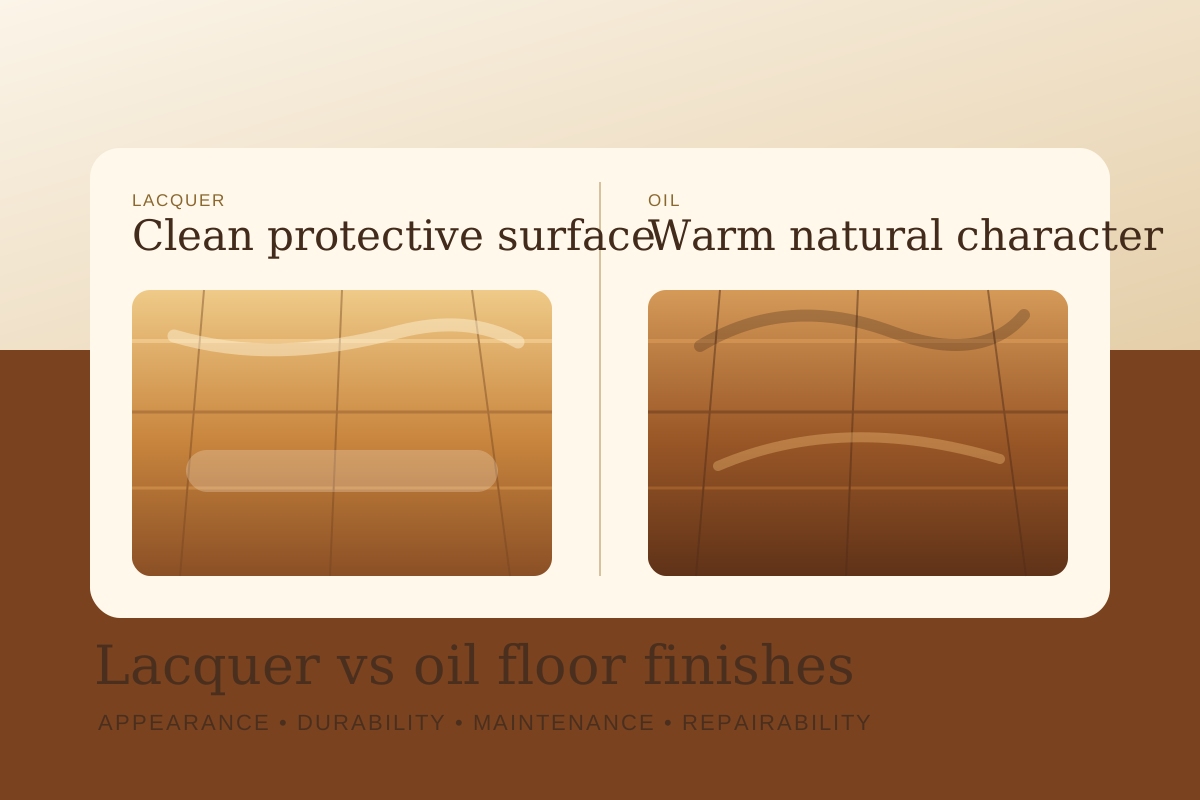
Our guide to lacquer vs oil explains the broader differences between common finish systems. The right choice depends on appearance, durability, repairability and maintenance expectations.
Lacquered Floors
Lacquer forms a protective coating over the timber surface. It is often chosen for busy homes because it can be durable, easy to clean and available in matt, extra matt or satin sheens.
As a lacquered floor wears, the finish may become dull in traffic lanes, show scratches or develop an uneven sheen. The floor may still be structurally sound even when the lacquer needs attention.
The key is not to wait until wear reaches bare timber. Earlier maintenance can sometimes preserve more of the finish and avoid a larger sanding project.
Oiled Floors
Oiled floors tend to have a more natural appearance and can often be maintained in a different way to lacquered floors. They usually need more ongoing care, but local maintenance may be more practical in some situations.
Oiled finishes can change appearance as they are used. Busy areas may look drier or duller sooner if maintenance is neglected. Regular care helps keep the timber protected and the floor looking balanced.
Neither lacquer nor oil is automatically better. The best finish is the one that suits the room, the timber and the maintenance routine the homeowner is comfortable with.
Different floor types and durability
Floor construction also affects long-term performance and future restoration options. Some floors can be sanded and refinished multiple times over their life, while others need a more cautious approach.
Pine Floorboards
Pine floorboards are softer than oak, so dents, marks and historic wear are part of the picture. A restored pine floor can last well with the right finish and maintenance, but it may show character more readily than harder timber.
The long-term question is often whether the boards remain stable and have enough thickness for future work. Gaps, splits and older repairs should be monitored over time.
Oak Floors
Oak and many hardwood floors are strong candidates for long-term restoration when there is enough timber remaining. They tend to cope well with sanding and finishing when properly maintained.
Surface wear may appear in busy areas, but a sound oak floor often has good future restoration potential if it is not allowed to deteriorate too far.
Parquet Flooring
Parquet floors can last for a long time when the blocks are stable and the finish is maintained. Movement, loose blocks and gaps should be dealt with before they become larger problems.
Parquet floor restoration often combines repair, sanding and finishing. Once restored, the pattern and timber can remain a valuable feature of the property with sensible care.
Engineered Wood Floors
Engineered wood depends heavily on the real wood wear layer. Some engineered floors can be restored or lightly sanded in future, while others have limited material available.
Engineered wood floor restoration starts with assessment because construction varies. Maintenance is especially important where future sanding options are limited.
Signs a floor may need attention again
A restored floor does not usually fail overnight. It gives warning signs before major restoration becomes necessary.
Dull traffic lanes are one of the most common early signs. These may appear where people walk repeatedly, such as hallways, kitchen routes, doorways and the space around dining tables.
Uneven sheen can also suggest that the finish is wearing differently across the room. If one area looks flat while other areas still look fresh, the protective coating may be thinning in the busiest zones.
Increased scratching, exposed timber, staining and finish breakdown should be taken seriously. Once wear reaches the wood itself, the floor becomes more vulnerable to moisture and dirt.
The aim is to ask for advice before the floor becomes severely worn. Earlier intervention can sometimes mean a lighter restoration route rather than full sanding.
How maintenance extends floor life
Maintenance has a major impact on how long a restored floor continues to look good. Simple habits often make the biggest difference.
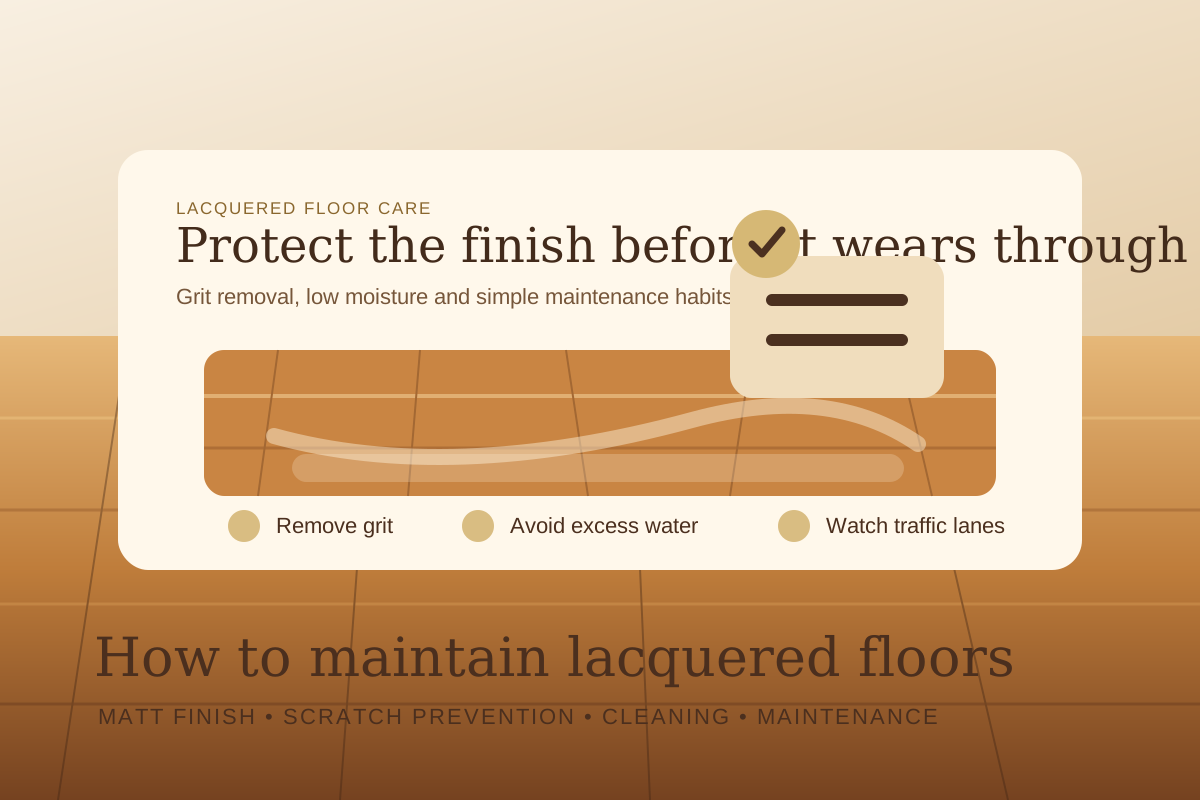
Regular grit removal is essential. Dirt and small stones can abrade the finish as people walk across the floor. Entrance mats, soft brushes, suitable vacuum settings and microfibre cleaning all help.
Felt pads under furniture reduce scratching from chairs and tables. These pads should be checked occasionally because worn or dirty pads can become abrasive themselves.
Spills should be dealt with promptly, especially near gaps, board edges and worn areas. Wooden floors should be cleaned, not soaked. Our guide on how to clean a wooden floor properly explains safe daily and weekly routines.
If your floor has a lacquered finish, our guide to how to maintain lacquered floors covers traffic lanes, cleaning methods and signs that the finish may need professional attention.
Sandless restoration and maintenance refreshes
Some floors benefit from maintenance intervention before full sanding becomes necessary. This is where timing matters.
If the finish is dull but largely intact, a maintenance refresh may improve appearance and protection without removing the full surface of the timber. The floor still needs to be suitable, and the existing finish must be compatible with the process.
Sandless wood floor restoration can be useful for certain floors where the wear is mainly within the finish rather than deep in the wood. It will not remove deep scratches, heavy staining or worn-through areas in the way full sanding can.
For floors with deeper wear, dustless floor sanding may still be the better route. If colour, sheen or finish type needs changing, wood floor staining and finishing advice can help choose the right system for future maintenance.
The practical goal is to avoid waiting until the floor is badly worn everywhere. Maintenance refreshes can extend finish life when used at the right stage.
Quick longevity guide
Every restored floor is different, but these common situations help explain why some floors need attention sooner than others.
Frequently Asked Questions
How long should a restored wooden floor last?
There is no single lifespan because traffic, pets, cleaning, sunlight, floor type and finish selection all affect performance. A restored floor can remain attractive for many years with suitable care.
Do restored floors eventually need sanding again?
Some restored floors may need sanding again in future, especially if the finish wears through to the timber. Others may only need maintenance refreshes if wear is dealt with early.
Can maintenance extend the life of a floor finish?
Yes. Regular grit removal, suitable cleaning, felt pads, entrance mats and prompt spill care can all help the protective finish last longer.
Does lacquer last longer than oil?
Lacquer and oil behave differently. Lacquer often provides a durable surface coating, while oiled floors usually need more regular maintenance. The best choice depends on the room and expectations.
How do I know when restoration is needed again?
Dull traffic lanes, uneven sheen, increased scratching, exposed timber, staining and finish breakdown can all suggest the floor needs professional attention.
Can sandless restoration extend floor life?
For suitable floors, sandless restoration or maintenance refreshes can improve appearance and protection before full sanding is needed.