Are gaps in parquet flooring normal?
In many cases, yes. Small gaps in parquet flooring can be part of normal timber behaviour, especially in older homes or rooms where indoor conditions change through the year.
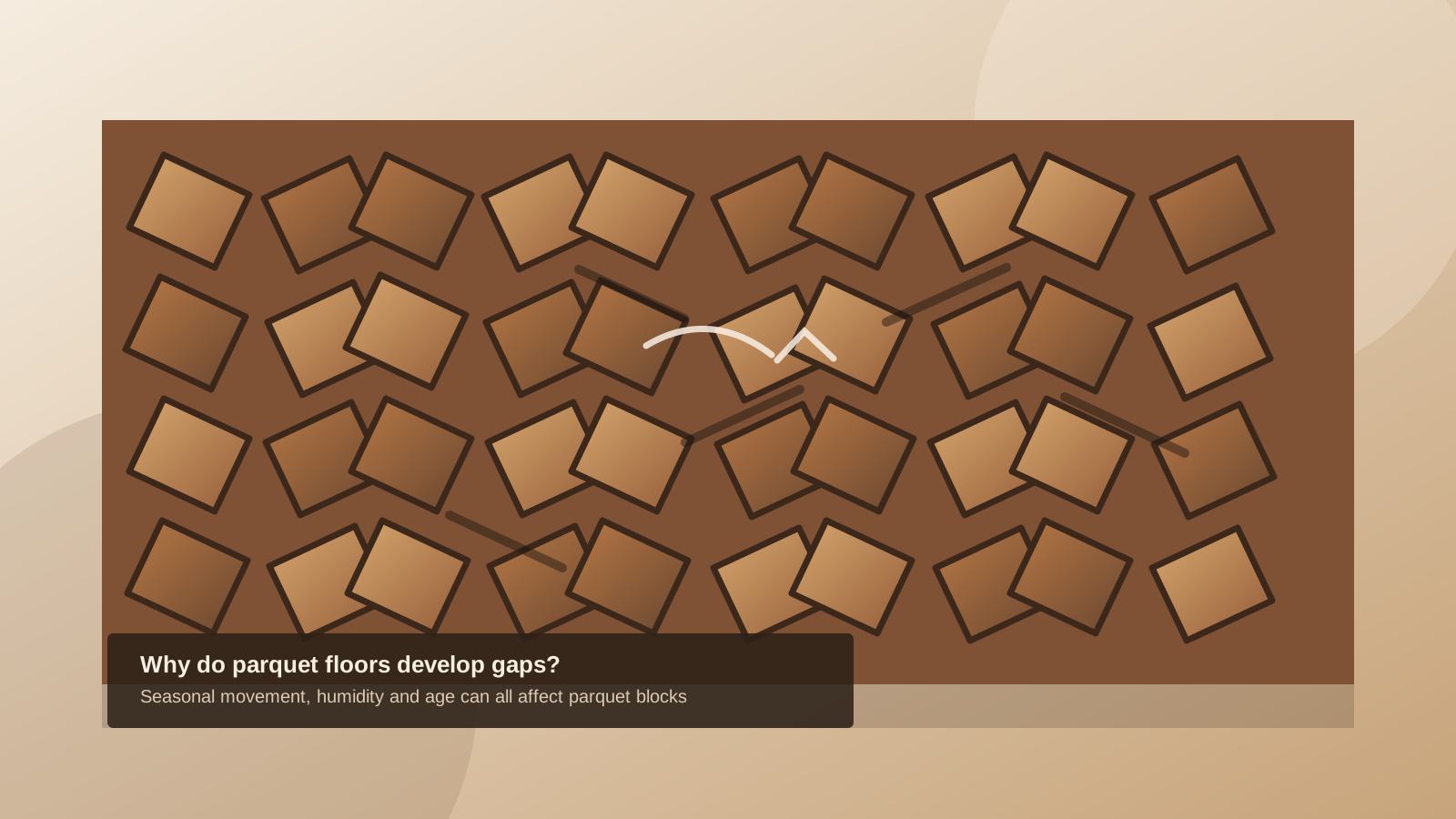
Parquet is made from individual timber blocks. Each block can expand and contract slightly as the moisture content of the timber changes. Because there are many separate pieces, small changes can appear as fine gaps between blocks.
This does not automatically mean the floor has failed. A parquet floor can show visible seasonal movement and still remain structurally sound.
The size, pattern and timing of the gaps matter. Fine gaps that appear gradually during colder, drier months are different from sudden large gaps accompanied by lifting, loose blocks or water damage.
It is also important to look at whether the floor feels stable. A floor with small gaps but firmly bonded blocks may need no urgent repair, while a floor with gaps and movement deserves closer attention.
The aim is to understand whether the gaps are normal movement, an ageing-related issue or a sign that repairs may be useful.
Timber movement and seasonal changes
Timber expands and contracts as moisture levels change. This is true for floorboards, hardwood floors and parquet blocks. The difference with parquet is that the movement can be seen across many small joints.
During winter, central heating often dries the indoor air. As timber loses some moisture, it can shrink slightly. This is when gaps between parquet blocks may become more noticeable.
During warmer or more humid periods, timber can take on moisture again and expand. Some fine gaps may reduce as conditions change, although older floors may not always return exactly to the same appearance.
This seasonal cycle is one reason it is unwise to rush into filling every small gap as soon as it appears. If gaps are filled while the timber is at its driest, the floor may later expand against hard filler and create other problems.
Parquet patterns can make seasonal movement more visible because the grain direction changes from block to block. One area may show fine lines while another looks tighter, even in the same room.
Seasonal movement is usually most noticeable where indoor conditions change sharply, such as near radiators, sunny windows, external doors or rooms with strong heating cycles.
Humidity and environmental conditions
Environmental conditions are often a major factor in parquet movement. Central heating, ventilation, room temperature and indoor humidity all influence how timber behaves.
Very dry indoor air can cause timber to contract. High humidity can cause timber to expand. Neither movement is unusual, but large swings can put more stress on the floor.
Ventilation matters too. Rooms that are poorly ventilated, prone to dampness or affected by condensation may experience different movement patterns from dry, heated rooms.
Changes to a property can also affect parquet. New heating systems, insulation changes, underfloor moisture issues, building work or long periods without heating can all alter the environment around the floor.
Parquet installed over concrete can also be influenced by moisture coming from below. If the subfloor is damp or lacks suitable protection, the parquet may move in ways that are not simply seasonal.
A stable indoor environment usually helps timber floors behave more predictably. That does not mean gaps will never appear, but it can reduce sudden or excessive movement.
Ageing parquet floors
Older parquet floors often show signs of their history. They may have been through decades of heating cycles, previous coverings, old repairs, adhesive changes and general wear.
Ageing adhesives can contribute to visible gaps. If blocks are no longer bonded evenly, they may move slightly or open around their edges.
Historic timber can also settle into long-term movement patterns. A floor may have fine gaps that have been present for years without becoming a serious issue.
Older properties often move differently from modern buildings. Slight settlement, timber subfloor movement and previous alterations can all influence the way parquet behaves.
Previous repairs are worth considering. Gaps may be more visible where blocks were replaced, filled or re-fixed using methods that did not match the original floor.
None of this means old parquet should automatically be replaced. Many older floors remain strong restoration candidates despite visible gaps, especially where the blocks are stable and the timber is sound.
When gaps may indicate a problem
Some gaps deserve closer investigation. Sudden large gaps, rapidly changing gaps or gaps that appear alongside movement can suggest something more significant than normal seasonal behaviour.
Loose blocks are one warning sign. If parquet blocks move underfoot, sound hollow or lift at the edges, the gaps may be linked to adhesive failure or subfloor issues.
Lifting parquet should also be assessed. Our guide to parquet floor lifting explains how moisture, adhesive failure and subfloor movement can cause blocks to rise away from the floor.
Water damage is another important factor. Leaks, repeated wet cleaning, dampness or appliance failures can cause timber movement, staining, swelling and adhesive breakdown.
Our article on water damaged wooden floors explains when moisture-related problems may be repairable and when closer assessment is needed.
Widespread instability is different from small seasonal gaps. If large areas feel loose, hollow or uneven, simply filling the visible gaps may not address the real issue.
The best approach is to look at the whole floor: gap size, movement, moisture history, block condition and whether the issue is isolated or spreading.
Can parquet gaps be repaired?
Parquet gaps can often be improved, but the right method depends on the cause. The first question is whether the floor is stable.
If the gaps are small and seasonal, repair may not be necessary. Monitoring the floor through different seasons may be more sensible than forcing a permanent repair too quickly.
If gaps are linked to loose blocks, adhesive failure or local movement, the floor may need repair work before sanding or finishing. In those cases, stabilising the parquet matters more than simply hiding the gaps.
Wood floor repairs can include securing loose blocks, replacing damaged pieces, addressing small areas of movement and preparing the floor for restoration.
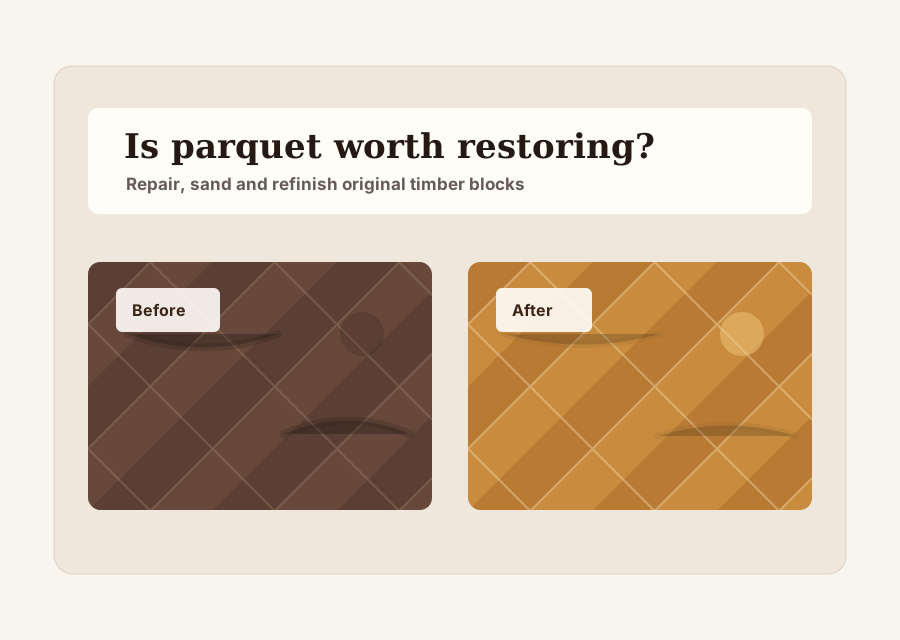
Where the floor is suitable, parquet floor restoration may include repairs, sanding and finishing. The aim is to improve both appearance and stability.
Our guide to whether loose parquet blocks can be repaired explains why movement should be dealt with before the finished surface is judged.
Filling may have a place in some restoration projects, but it is not always the first or best answer. If the timber is still moving, the filler may crack, loosen or become more visible later.
How professionals assess parquet movement
Professional assessment looks beyond the visible gap. The size of the gaps matters, but so does the pattern of movement across the room.
A few fine gaps in one seasonal area may be treated differently from large gaps spread across a floor. The location of the gaps can also give clues, especially around thresholds, radiators, exterior walls or areas affected by previous leaks.
Stability is one of the most important factors. Firm blocks with small gaps may be a cosmetic concern, while loose blocks indicate a repair issue.
Humidity and environmental influences are also considered. If the gaps appear during winter and reduce in summer, seasonal movement may be the main explanation.
Moisture history is important. Any known leak, damp problem or appliance failure should be mentioned because moisture can change both the timber and the adhesive beneath it.
The repair history of the floor can also affect the advice. Old filler, mismatched blocks or previous adhesive repairs can influence what is realistic during restoration.
Identifying the cause is more important than simply filling the gaps. A neat-looking repair that ignores movement, moisture or loose blocks may not last well.
Quick parquet gap guide
Use this guide as a starting point. It cannot replace assessment, but it can help you separate normal parquet movement from issues that may need repair or investigation.
Frequently Asked Questions
Why do parquet floors develop gaps?
Parquet floors develop gaps because timber expands and contracts as moisture and humidity levels change. Ageing adhesives, loose blocks and subfloor issues can also contribute.
Are gaps in parquet flooring normal?
Small seasonal gaps can be normal, especially during drier months. Larger gaps, loose blocks or sudden movement should be assessed.
Do parquet gaps close again?
Some fine seasonal gaps may reduce as humidity changes, although older floors may not always return exactly to their previous appearance.
Should parquet gaps be filled?
Not always. The cause of the gaps should be understood first. Filling moving timber too soon can lead to cracked or loose filler later.
Can humidity cause parquet movement?
Yes. Dry air can cause timber to contract, while higher humidity can cause expansion. Large environmental swings can make movement more noticeable.
When should I be concerned about parquet gaps?
Ask for advice if gaps appear suddenly, become large, are linked to loose or lifting blocks, or appear after water damage or dampness.