What matters most in a rental property?
Wooden floors in rental properties need to work hard. They may see different tenants, moving furniture, frequent cleaning, occasional neglect and periods where the owner is not present to spot early wear.
Durability is important, but it is not the only factor. A floor finish also needs to be practical to clean, straightforward to maintain and suitable for the way the property is used.
Tenant turnover matters. A finish that looks good on the first day but needs specialist attention between every tenancy may not be the best long-term choice.
Appearance still matters, of course. A well-restored wooden floor can help a rental property feel brighter, cleaner and more cared for. The challenge is choosing a finish that retains that appearance with realistic maintenance.
The most attractive finish is not always the most practical choice. For rental properties, performance over time is often more important than chasing a particular trend.
Lacquer versus oil for rentals
The main finish decision for many landlords is whether to choose lacquer or oil. Both can work well, but they suit different priorities.
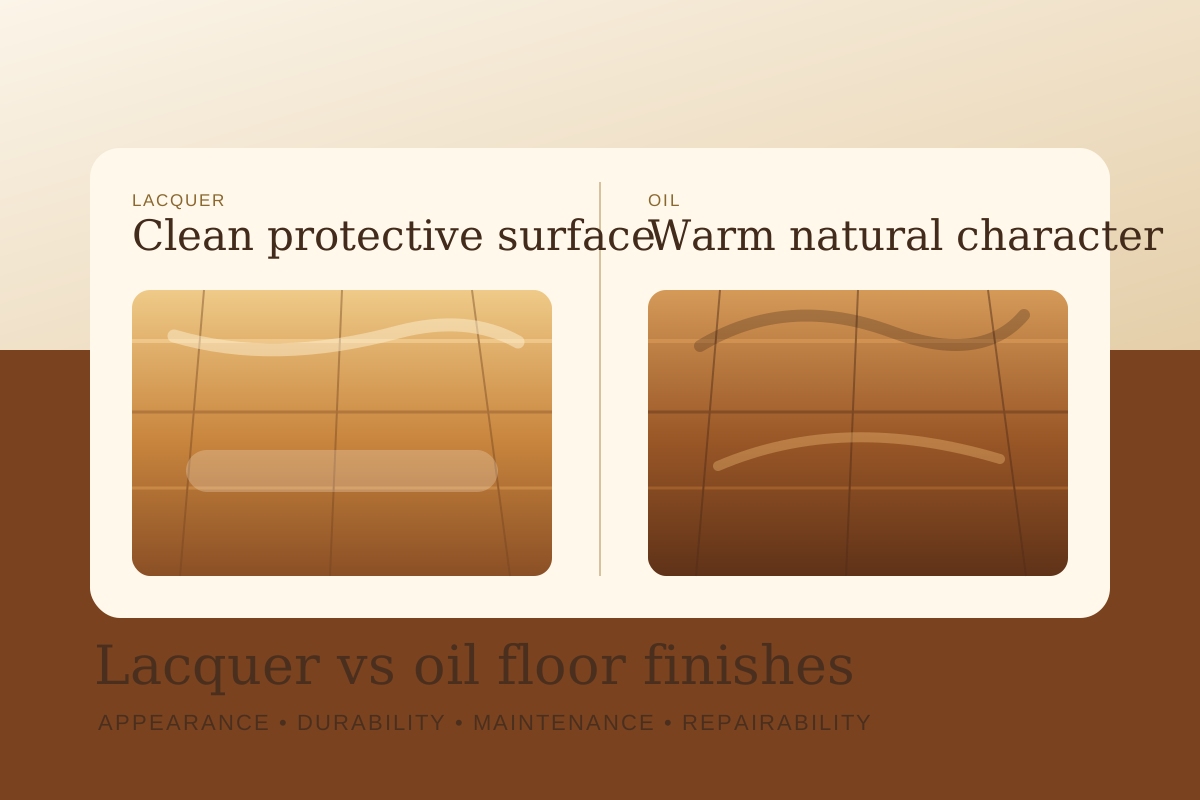
Lacquer forms a protective coating over the timber surface. It is often chosen for rental properties because it can provide good durability, easy cleaning and relatively low routine maintenance.
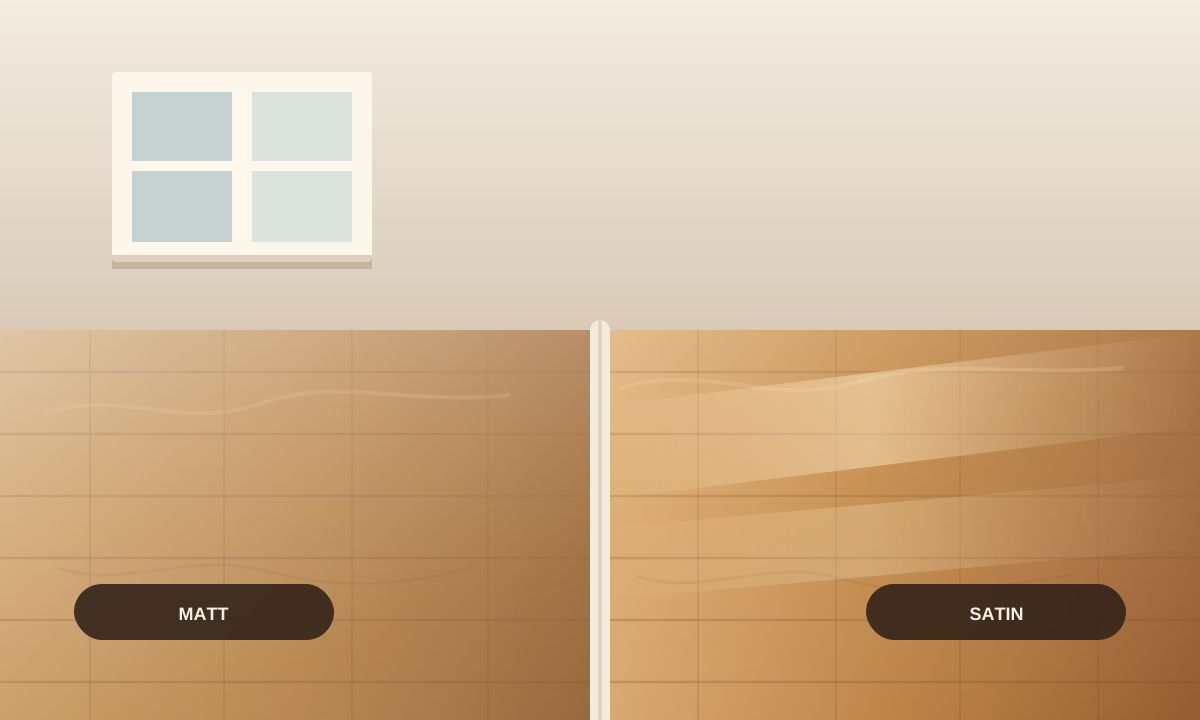
Modern lacquer systems are available in different sheen levels, including matt and satin. They are practical where tenants may not follow a detailed maintenance routine.
Oil gives a more natural appearance and can sometimes offer useful localised repair benefits. However, oiled floors usually need a more deliberate maintenance routine to keep protection topped up.
For landlords who want a lower-maintenance finish between tenancies, lacquer is often the more practical starting point. For properties where the owner is actively managing maintenance and wants a natural look, oil may still be considered.
Our guide to lacquer vs oil explains the differences in appearance, durability, maintenance and repairability in more detail.
Matt versus satin finishes
Sheen level affects how a rental floor looks and how wear appears over time. Matt and satin finishes can both be suitable, but they create different impressions.
Matt finishes have a contemporary appearance and lower light reflection. They can make minor scratches, dust and small surface marks less obvious, which can be useful in busy rental properties.
Satin finishes reflect slightly more light and can make a room feel brighter. They remain popular in traditional properties and where a slightly richer surface appearance is wanted.
Neither sheen level is automatically more durable. Durability comes mainly from the finish system itself, the preparation and how the floor is maintained.
For many rentals, matt or extra-matt lacquer offers a practical balance: modern appearance, reduced scratch visibility and straightforward cleaning.
For a fuller comparison, read our guide to matt vs satin finishes.
Durability and maintenance considerations
Rental floors often experience high traffic in concentrated areas: hallways, kitchens, living rooms, doorways and routes between bedrooms and bathrooms.
Furniture movement is another common issue. Beds, sofas, desks and dining chairs may be moved more often than in an owner-occupied home, especially at tenancy changes.
Cleaning routines can vary between tenants. Some people clean carefully, while others may use too much water, unsuitable products or abrasive tools.
Pets may also be a factor where the tenancy allows them. A finish should be chosen with realistic wear in mind, not as if the property will always be used lightly.
This is why durability and maintainability often matter more than fashion trends. The best finish is usually one that can cope with normal rental use and be refreshed at sensible intervals.
Different types of rental property
Different rental models place different demands on wooden floors. The same finish may not be right for every property.
Single-Let Properties
Single-let homes often benefit from a durable, easy-clean finish with a calm, neutral appearance. A matt or satin lacquer is commonly practical because routine maintenance expectations are straightforward.
The goal is usually to keep the floor attractive throughout a tenancy and make end-of-tenancy cleaning manageable.
HMOs
HMOs can place heavier demands on floors because more people use shared spaces. Hallways, kitchens and living areas may see constant traffic.
Durability, ease of cleaning and resistance to visible wear usually become more important than a delicate natural finish.
Holiday Lets
Holiday lets often need finishes that photograph well and clean quickly between stays. Guests may bring luggage, sand, grit or wet shoes into the property.
A practical finish should balance presentation with fast turnover cleaning and sensible maintenance intervals.
Serviced Accommodation
Serviced accommodation can experience hotel-like use, with frequent cleaning and repeated furniture movement. Consistency and maintainability are important.
Where floors are part of a premium interior, the finish should still be chosen for real-world use rather than appearance alone.
Common landlord mistakes
One common mistake is choosing appearance over practicality. A finish that looks beautiful in a low-traffic home may not be the best option for a busy rental property.
Another mistake is ignoring maintenance. Even a durable finish will eventually show wear if grit is walked across the floor, spills are left, or unsuitable cleaning products are used.
Delaying restoration can also increase costs. If the finish is allowed to wear through to bare timber, the floor may need more intensive sanding rather than a lighter maintenance refresh.
Cleaning products matter too. Excessive water, steam mops, harsh chemicals and abrasive pads can shorten the life of the finish.
Our guide on how to clean a wooden floor properly explains the simple routines that help prevent avoidable damage.
Long-term ownership costs
For landlords, the cheapest finish on day one is not always the most economical over the life of the floor.
A finish should be judged by how it performs through normal use, how easy it is to clean, how often it needs maintenance and how well it protects the timber underneath.
Maintenance cycles matter. A floor that can be kept in good condition with sensible cleaning and periodic professional attention may cost less over time than one that repeatedly needs heavy restoration.
Finish longevity is also connected to tenant behaviour, furniture protection, entrance mats, cleaning products and how quickly small issues are dealt with.
Our guide to how long a restored floor lasts explains why use and maintenance affect long-term performance just as much as the finish itself.
A good rental finish is therefore a business decision as well as a design decision. It needs to support the property’s appearance while protecting the owner’s investment.
Quick finish comparison guide
This comparison is a general guide. The right finish still depends on the property type, floor condition, tenant profile and maintenance expectations.
Frequently Asked Questions
What is the best finish for a rental property?
There is no single best finish for every rental, but durable lacquer systems are often practical because they are easy to clean and require lower routine maintenance.
Is lacquer better than oil for landlords?
Lacquer is often more practical for landlords who want durability and easier cleaning. Oil can still suit some rentals where maintenance is actively managed.
Which finish lasts longest in a rental?
Longevity depends on the finish system, floor preparation, tenant use, cleaning routines and maintenance. A durable finish still needs suitable care.
What is the easiest floor finish to maintain?
For many rental properties, a good quality lacquer is one of the easiest finishes to maintain because routine cleaning is straightforward.
Are matt finishes suitable for rental properties?
Yes. Matt finishes can be suitable because they offer a modern appearance and often make minor scratches and dust less noticeable than higher-sheen finishes.
What finish is best for holiday lets?
Holiday lets usually need a finish that looks good, cleans quickly and copes with frequent use. Matt or satin lacquer is often practical, but the right choice depends on the property.