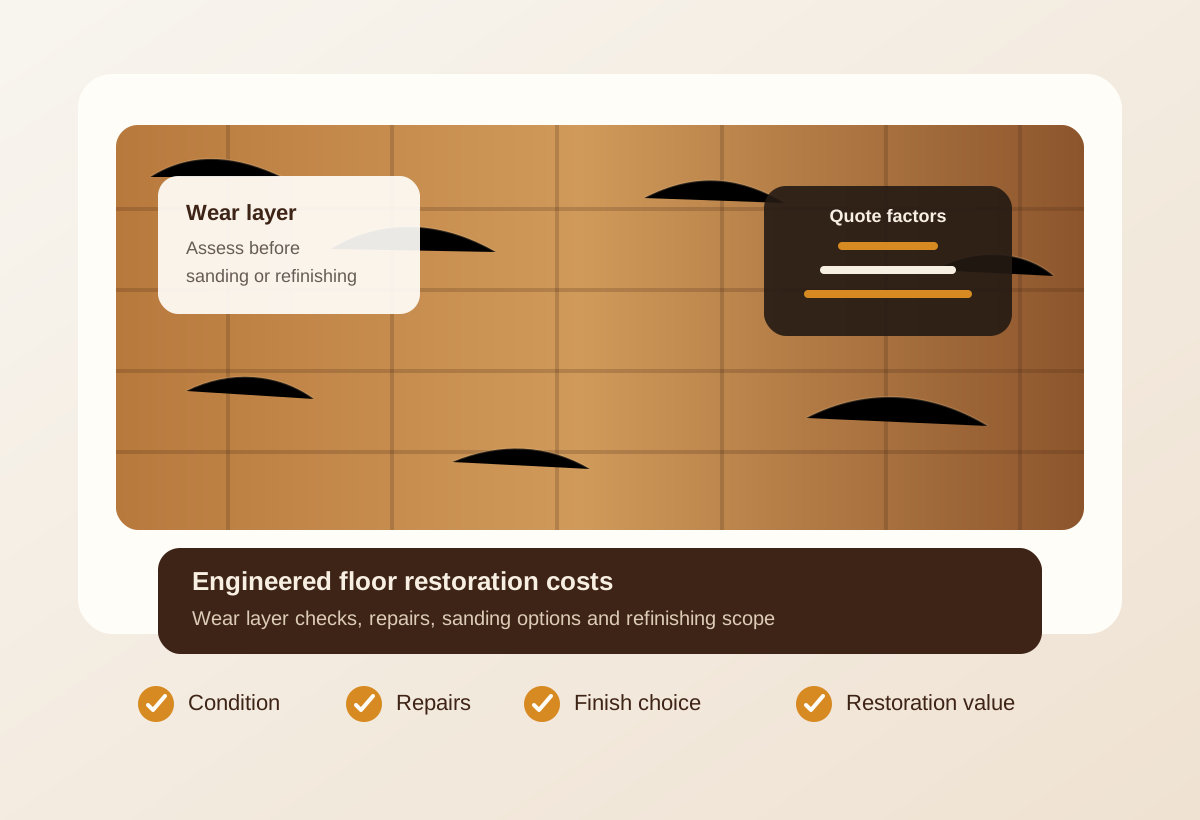
Why engineered floor restoration costs vary
There is no single price that applies to every engineered wood floor restoration project. Engineered flooring varies widely in construction, quality, wear layer thickness, installation method and previous restoration history.
Room size does matter, but it is only one part of the calculation. A small room with damaged boards, movement and thin wear layers can be more complex than a larger room with light finish wear and a stable surface.
Floor condition is often the bigger factor. Light dullness, surface scratches and worn finish may allow a lower-intervention restoration approach. Deep scratches, exposed timber, water staining, board movement or previous sanding can make the project more involved.
Finish selection also affects the overall scope. A straightforward clear finish is different from a colour change, stain work or a more comprehensive refinishing plan.
Two engineered floors of similar size may therefore need very different restoration approaches. A responsible quotation should reflect the floor in front of us, not simply a square metre figure.
What is included in engineered floor restoration?
Engineered floor restoration can include several stages, depending on what the floor needs. A typical project may begin with assessment, cleaning, preparation, local repairs and advice on whether sanding is suitable.
Some engineered floors can be improved with a maintenance refresh or sandless process. Others need careful sanding and refinishing. In some cases, damaged boards or thresholds need attention before the surface finish is renewed.
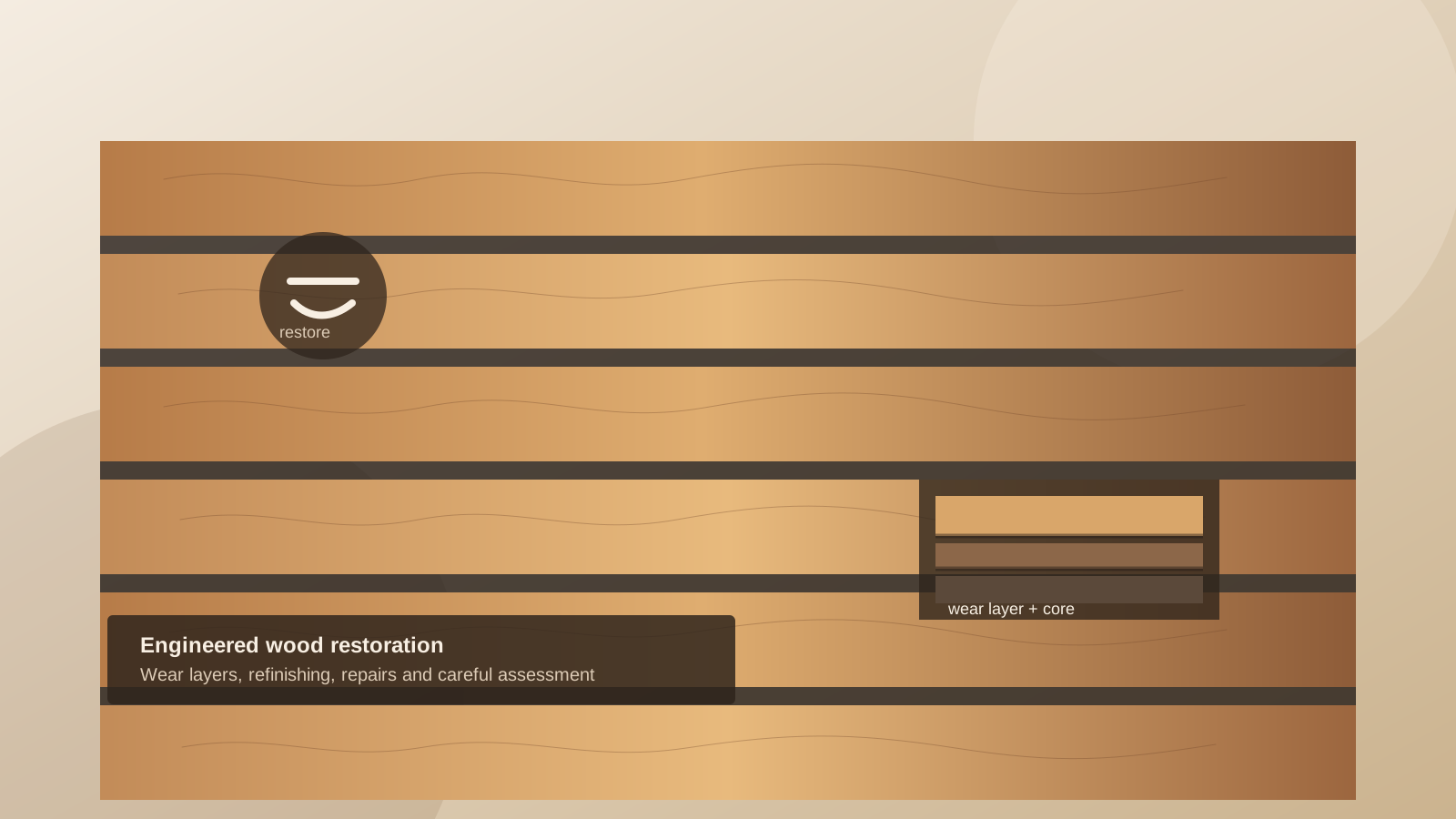
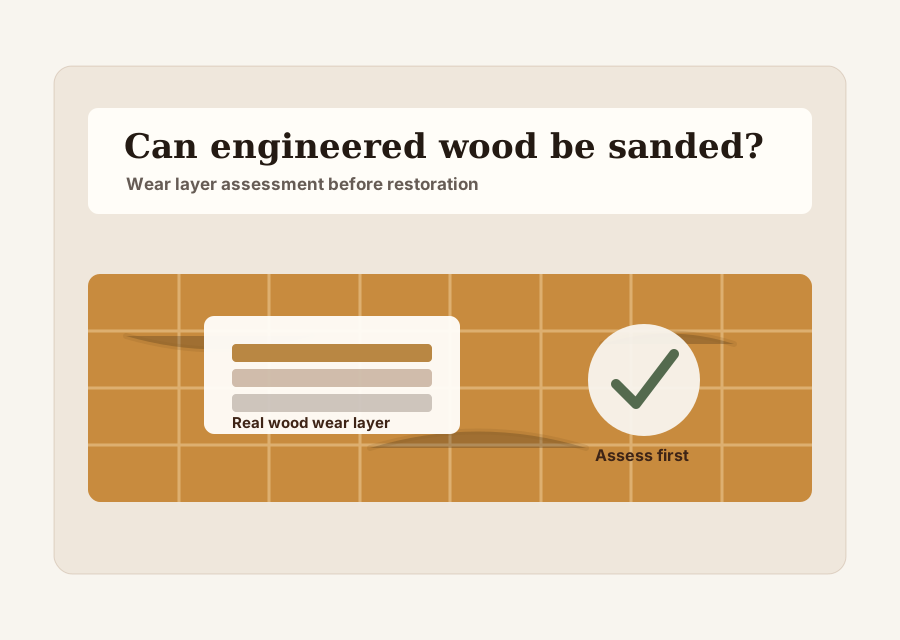
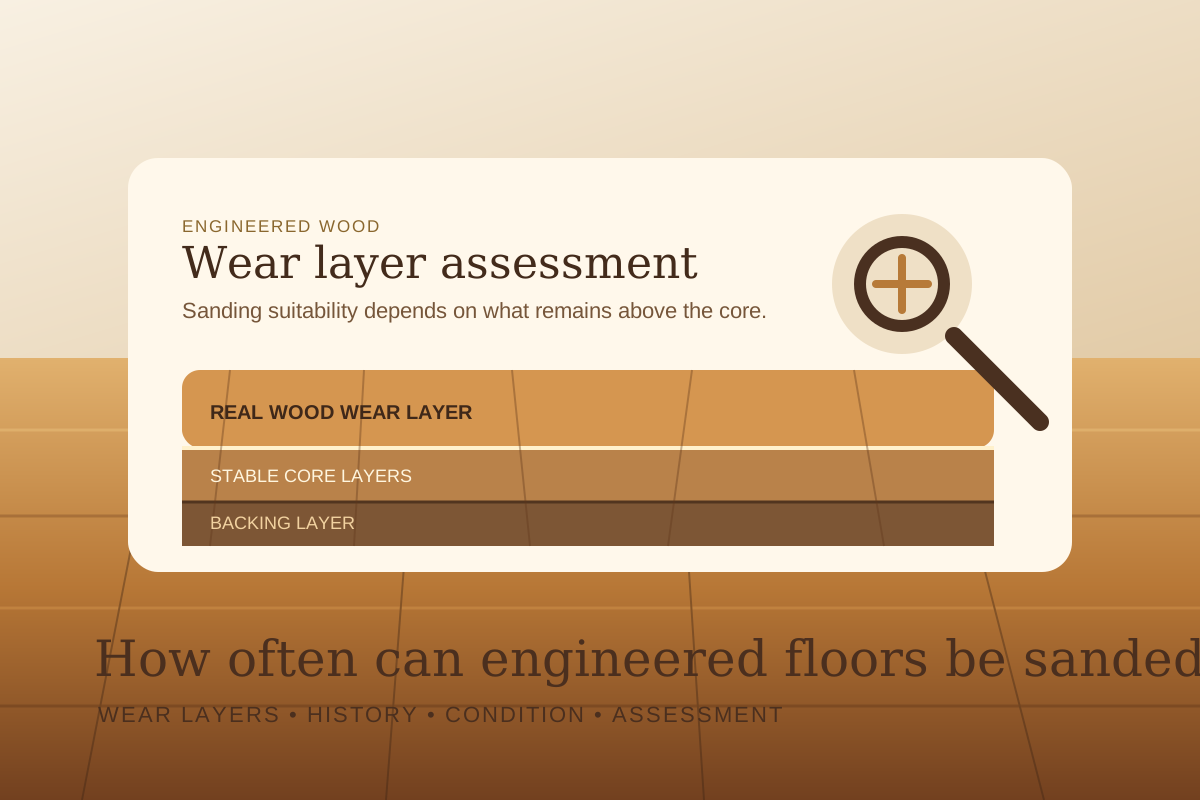
Assessment is especially important because engineered flooring has a real wood surface layer over a core. That top layer can often be restored, but it must be treated with more care than a thick solid wood floor.
Engineered wood floor restoration should therefore start with the condition of the floor, the remaining wear layer and the result the homeowner wants to achieve.
Not every engineered floor restoration involves sanding. A less invasive refresh can sometimes be the most sensible route where the finish is tired but the timber itself is not badly damaged.
Wear layer considerations
The wear layer is the real hardwood surface on top of an engineered board. It is the part that can potentially be sanded, refreshed, repaired and refinished.
A thicker wear layer usually gives more restoration options. It may allow controlled sanding and refinishing if the floor is stable and has not already been sanded too many times.
A thinner wear layer can limit what is possible. It may still be suitable for cleaning, maintenance work or a lighter restoration process, but aggressive sanding may remove too much timber.
Previous sanding history also matters. If the floor has already been restored before, there may be less usable timber remaining than expected. This is one reason inherited floors need careful assessment.
Wear layer thickness often influences both the method and the cost. A floor that can be safely sanded requires different preparation from one that needs a lighter refresh.
For a deeper explanation, read our guide on how many times engineered flooring can be sanded.
Repairs and damaged boards
Repair work can influence the cost of engineered floor restoration. Some floors only need surface preparation and finishing, while others need damaged areas dealt with before restoration can continue.
Common repair issues include damaged boards, edge damage, movement, threshold problems, localised water damage, impact marks and areas where the finish has worn through unevenly.
A damaged board does not automatically mean the whole floor needs replacing. Depending on the installation method and availability of matching material, localised repair may be possible.
However, repair work takes time and judgement. Boards may need securing, sections may need replacing, thresholds may need adjustment, and problem areas may need stabilising before refinishing.
Wood floor repairs are often part of successful engineered floor restoration, especially where the floor has been lived with for several years.
The aim is not just to make the surface look better. The floor also needs to remain stable and practical after restoration.
Sanding versus restoration refreshes
Different restoration routes involve different levels of preparation, labour and risk. This is one of the main reasons engineered floor restoration costs vary.
A maintenance refresh or sandless wood floor restoration may be suitable where the finish is dull, lightly worn or tired but the timber underneath remains protected.
This type of approach can be less invasive because it aims to improve and protect the existing surface rather than removing a significant amount of timber.
Sanding is more involved. It may be needed where scratches, stains, old coatings, worn-through finish or uneven colour cannot be resolved through a lighter process.
Where the wear layer is suitable, dustless floor sanding can prepare the engineered timber surface for refinishing. The process still needs careful judgement so too much material is not removed.
Refinishing then protects the restored surface with an appropriate lacquer, oil or other finish system. The chosen finish and any colour work can also affect the final scope of the project.
Restoration versus replacement
Cost should be considered alongside value. Replacement is not just the cost of buying new flooring. It can also involve removing the existing floor, disposal, subfloor preparation, new materials, installation, trims, thresholds and sometimes finishing.
Restoration can provide excellent value when the existing engineered floor remains structurally sound and has suitable restoration options available. It can also avoid waste and preserve a floor that already suits the room.
That said, replacement can be the better option where the wear layer has failed, the floor is delaminating, water damage is extensive or previous sanding has left too little timber to work with safely.
The decision should not be based on appearance alone. A floor that looks tired may still be restorable, while a newer floor with severe construction problems may not justify further work.
Our guide on whether engineered floors can be restored explains the wider restoration options, and our replacement guide discusses when engineered flooring may need replacing as part of the broader floor assessment.
Getting an accurate quotation
An accurate quotation needs more than a floor area measurement. Room dimensions are useful, but photographs and condition details usually tell us much more.
Helpful information includes room size, floor age if known, whether the floor has been sanded before, areas of visible wear, scratches, staining, lifting boards, damaged edges, thresholds and any water exposure.
Clear photographs are often the best starting point. Include full room images, close-ups of worn areas, board edges, transitions and any damaged sections.
If you have spare boards, product labels or installation information, include those too. They may help identify the wear layer and construction.
It also helps to explain the result you want. A simple refresh, scratch reduction, colour change and full refinish can all involve different levels of work.
You can send us photos and room dimensions through the quote form. In many cases, we can provide guidance on likely restoration options before arranging a closer inspection if needed.
Quick pricing guide
The guide below is not a price list, but it explains how different situations tend to affect project complexity.
Frequently Asked Questions
How much does engineered floor restoration cost?
The cost depends on room size, condition, wear layer thickness, repair requirements, finish choice and whether the floor needs sanding or a lighter restoration refresh.
Can engineered flooring be restored instead of replaced?
Often, yes. Many engineered floors can be restored if the wear layer and structure are suitable, but severe delamination, water damage or very thin wear layers can limit options.
Does sanding increase restoration costs?
Sanding is usually more involved than a maintenance refresh because it requires more preparation, careful material removal and refinishing. It may still offer good value when the floor is suitable.
Do damaged boards increase pricing?
Damaged boards, thresholds, edge problems or movement can add repair work before restoration or refinishing can be completed properly.
How do wear layers affect restoration options?
A thicker wear layer usually gives more scope for sanding and refinishing. Thin or previously sanded wear layers may require lighter restoration methods or replacement advice.
How do I get an accurate quotation?
Send clear photos, room dimensions, close-ups of damage, information about previous sanding if known, and any manufacturer or spare-board details you have.