Can engineered floors actually be restored?
Often, yes. Many engineered wood floors can be refreshed, repaired, refinished or restored, provided the floor is suitable for the method being considered.
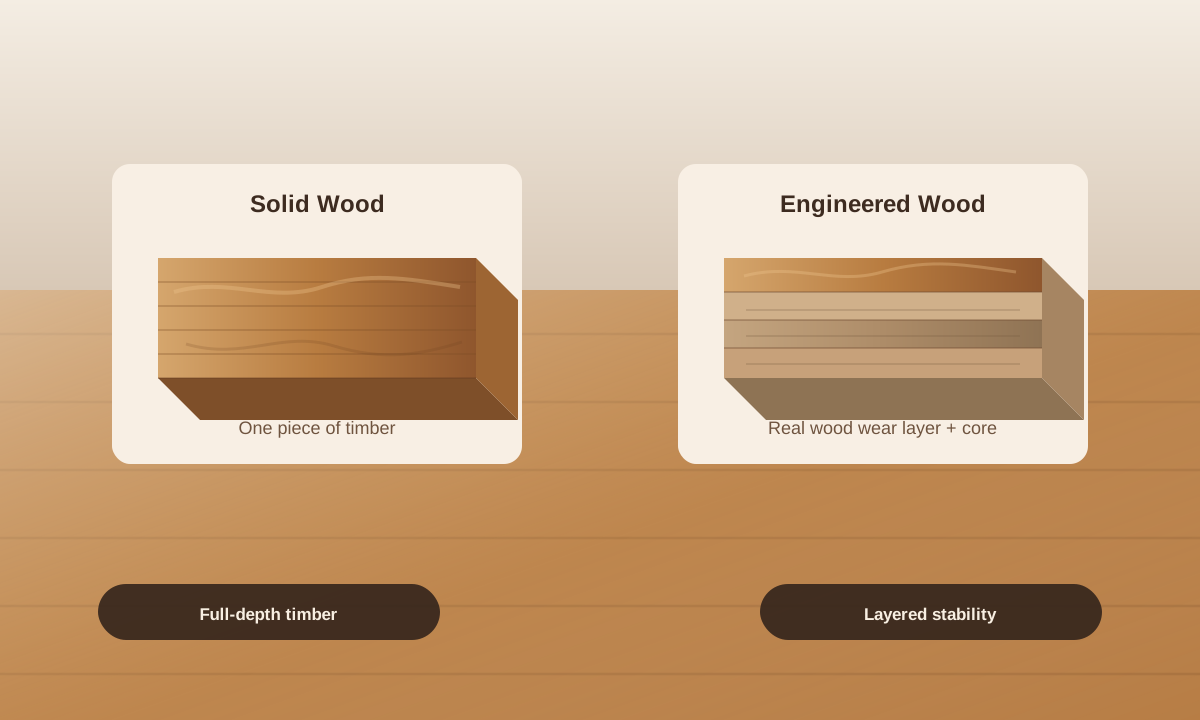
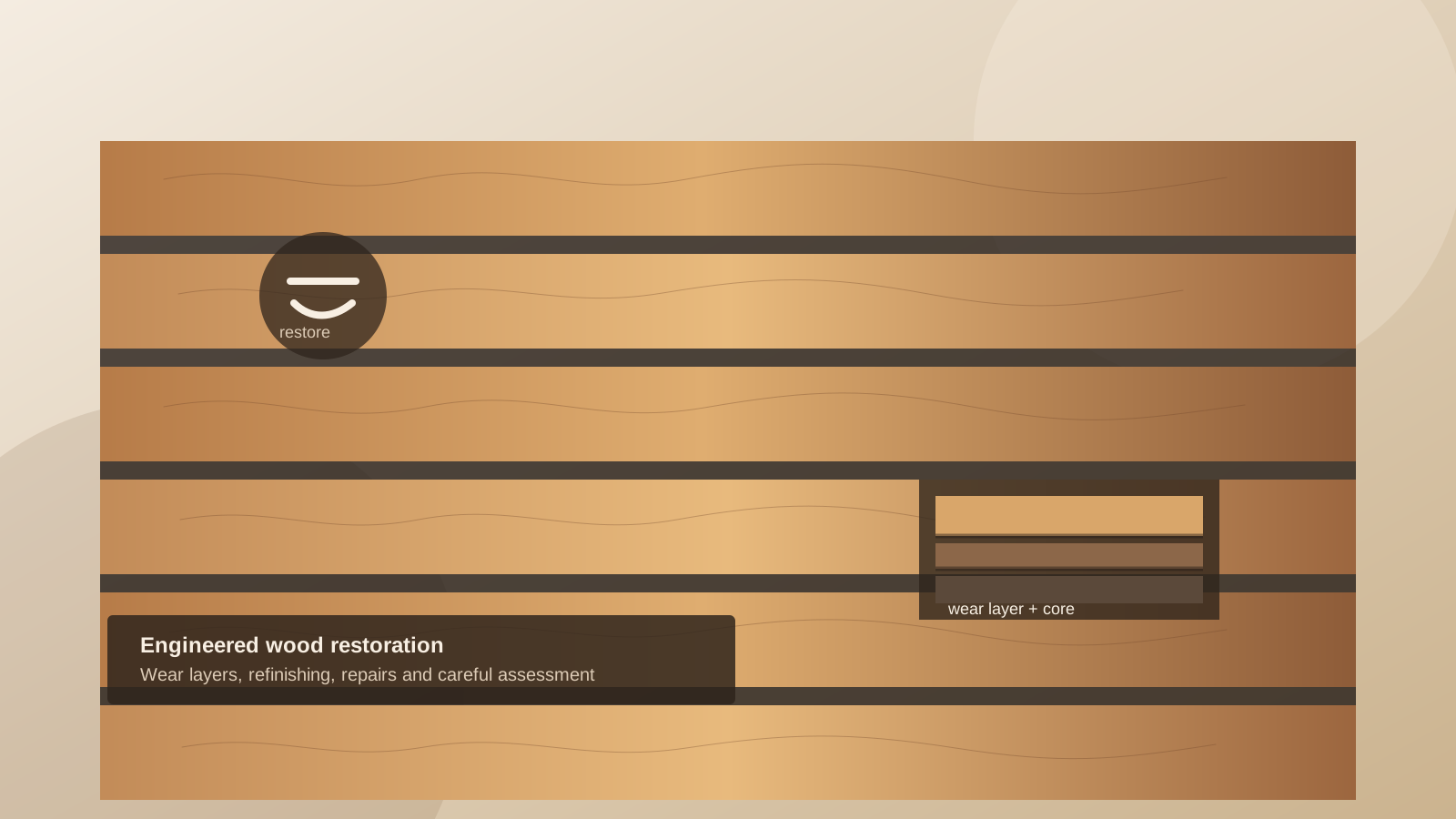
The important point is that engineered flooring is not fake wood. The visible surface is a real timber wear layer, usually oak or another hardwood, bonded to a stable core beneath.
Because the top layer is real timber, it may be possible to improve the appearance, renew the finish, deal with light wear, repair localised issues or, in some cases, sand and refinish the floor.
That does not mean every engineered floor can be treated like solid wood. The construction, wear layer thickness, previous sanding history and condition of the floor all affect what is sensible.
A tired engineered floor should not be written off automatically, but it should also not be sanded without checking whether enough usable timber remains.
What affects restoration options?
Several factors influence the restoration options available for an engineered floor. Two floors can look very similar from above but have very different limits underneath.
Floor condition is the starting point. Light surface wear, dullness and minor scratches may allow a less invasive restoration approach. Deeper damage, staining or worn-through finish may require more preparation.
Wear layer thickness is critical. The real timber surface determines whether sanding is possible and how cautious the restoration plan needs to be.
Previous sanding history also matters. If the floor has already been sanded, there may be less usable timber remaining. In inherited homes, that history is not always obvious.
Moisture damage, delamination and structural movement can all reduce the options available. A floor that is lifting, swelling or separating between layers needs a different assessment from one with simple surface wear.
The finish already on the floor can also influence the route. Some finishes can be refreshed if they are compatible and still bonded well, while failed coatings may need more preparation before any new finish is applied.
Wear layers explained
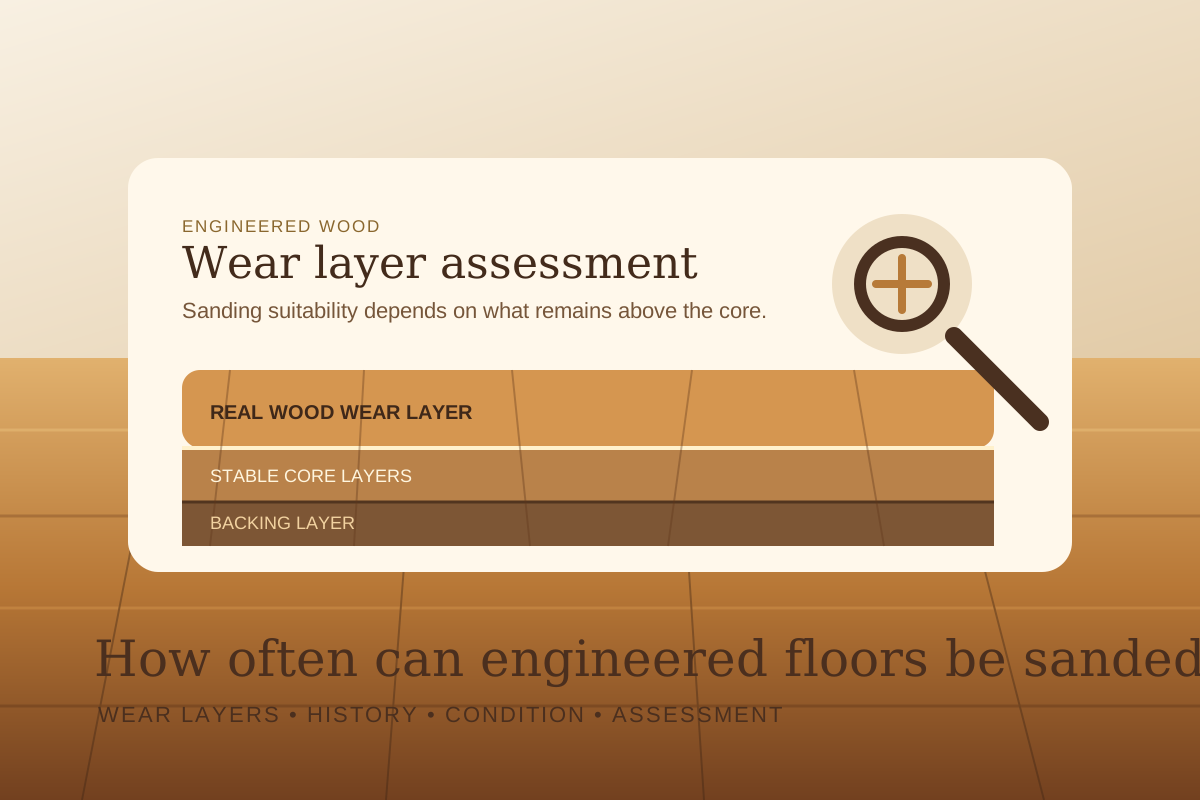
The wear layer is the real hardwood layer on top of an engineered board. It is the part you walk on, see and refinish.
This layer matters because restoration work removes or works with the top surface. A thicker wear layer usually gives more scope for sanding and refinishing. A very thin wear layer may limit the floor to lighter restoration methods or maintenance treatments.
Thin wear layers can still look attractive, but they may not tolerate aggressive sanding. Thicker wear layers may allow more restoration potential, but condition and previous work still need to be considered.
This is why fixed online rules can be misleading. The safest decision depends on the actual floor, not only the product category.
For more detail, read our guide to how many times engineered flooring can be sanded. It explains why wear layer depth, sanding history and floor condition matter more than a simple number.
Restoration methods for engineered flooring
Not every engineered wood restoration project involves full sanding. In fact, one of the most useful parts of assessment is deciding how little intervention is needed to achieve a sensible result.
Some floors benefit from careful cleaning and maintenance refreshes. If the finish is dull but mostly intact, a lighter process may improve appearance and extend the life of the floor without removing timber.
Sandless wood floor restoration may be suitable where the timber is not badly damaged and the existing finish can be refreshed. It is not a cure for deep scratches, black staining or severe wear, but it can be a good option for the right floor.
Refinishing may involve renewing the protective surface, improving sheen consistency or applying a compatible finish system. Localised repairs may also be part of the process where boards, edges or thresholds have been damaged.
The right approach depends on what has failed. A worn finish needs a different solution from delamination, water damage or a floor that has been over-sanded previously.
When sanding may be possible
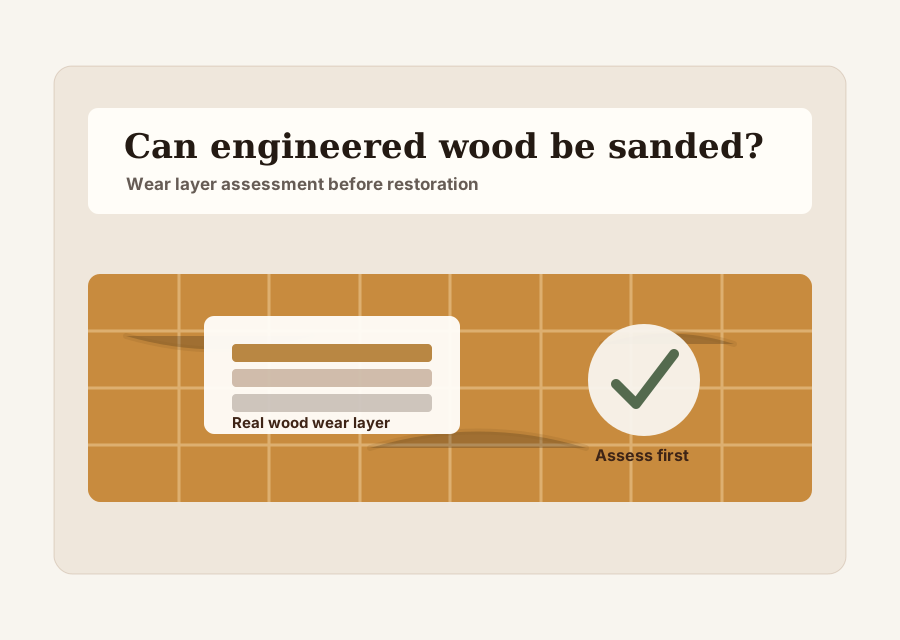
Sanding may be possible when the engineered floor has a suitable wear layer, remains stable and has enough real timber to work with safely.
The goal is not to remove more material than necessary. Engineered floors often require a more cautious approach than solid timber because the usable hardwood layer is limited.
Sanding may be considered for deeper scratches, worn-through finish, uneven colour, staining that sits within the top timber layer or a full change of finish. It may also be needed where the floor is being prepared for a new lacquer, oil or colour treatment.
Our guide can engineered wood floors be sanded explains the sanding decision in more depth.
Where sanding is suitable, dustless floor sanding can prepare the surface for refinishing. The process still needs dust-controlled equipment, careful judgement and a finish system suited to the floor.
When repairs may be needed
Some engineered floors need repair work before any restoration or refinishing is considered. This is common where the floor has localised damage rather than even surface wear.
Damaged boards, movement, localised water damage, edge damage, threshold problems and impact marks can all affect the restoration plan.
A single damaged board or small area does not always mean the whole floor needs replacing. Depending on the installation method and availability of matching material, local repair may be possible.
Wood floor repairs can help stabilise problem areas, deal with damaged sections and prepare the floor properly before finishing.
Repairs are especially important where movement is present. Refinishing a moving or unstable floor may improve appearance for a short time, but it will not address the underlying cause.
A practical repair plan looks at the floor as a system: boards, joints, edges, thresholds, subfloor and finish all need to work together.
When replacement may be the better option
Restoration is not always the best solution. Some engineered floors reach a point where repair or refinishing would not provide sensible long-term value.
Severe delamination is one example. If the layers of the board are separating, a surface finish cannot restore the failed construction beneath.
Failed wear layers can also limit options. If the real timber surface is too thin, exposed, repeatedly sanded or badly damaged, sanding may not be safe or worthwhile.
Extensive water damage, swelling, lifting boards, widespread instability and structural movement can also make replacement more appropriate.
Repeated previous sanding is another factor. Even a good quality engineered floor has limits, and each sanding removes material from the real wood layer.
Our guide to when a wooden floor needs replacing explains the wider signs that replacement may be the more sensible route.
Being honest about replacement protects the homeowner. A floor should only be restored when the expected result and long-term performance make sense.
Photos that help us assess engineered flooring
Photos are often a useful first step when assessing engineered flooring. They help us understand the floor type, condition and likely restoration options before recommending the next step.
Useful images include full room photos, close-ups of scratches and worn areas, door thresholds, board edges, damaged corners, lifting areas and any visible movement.
If you have manufacturer information, product labels, spare boards or details from the original installation, those can also help. They may reveal wear layer thickness, construction and finish type.
Clear photos of transitions and edges are particularly useful because they can sometimes show the construction of the board more clearly than the main floor surface.
It also helps to describe what you want to achieve. A customer who wants a maintenance refresh may need a different recommendation from someone hoping to remove deep scratches, change colour or fully refinish the room.
You can send us photos through the quote form. In many cases, we can provide initial guidance from images; in others, a closer inspection is the more responsible route.
Frequently Asked Questions
Can engineered wood floors be restored?
Yes, many engineered wood floors can be restored, but the right method depends on the wear layer, condition, previous sanding history and any damage.
Can engineered flooring be refinished?
Some engineered flooring can be refinished if the surface and construction are suitable. Refinishing may involve a maintenance refresh, sandless restoration or sanding where safe.
Can engineered flooring be repaired?
Localised repairs may be possible for damaged boards, edges, thresholds or small areas of movement, depending on the installation and availability of matching material.
Does engineered flooring always need replacing when damaged?
No. Damage does not automatically mean replacement. Some engineered floors can be repaired or restored, while others may be too thin, unstable or delaminated.
Can water damaged engineered flooring be restored?
Sometimes. Minor or localised moisture damage may be repairable after drying, but severe swelling, delamination or instability may make replacement more sensible.
How do I know what restoration options are available?
Clear photos, product information and an assessment of the wear layer, condition and movement help determine whether sanding, restoration, repairs or replacement are suitable.