What is solid wood flooring?
Solid wood flooring is made from a single piece of timber from top to bottom. The visible surface, body and underside are all the same material.
This traditional construction is one of the reasons solid wood floors are associated with long-term restoration potential. Where enough thickness remains, a solid timber floor can often be sanded and refinished more than once over its life.
Common species include oak, pine and other hardwoods. Oak is widely used because it is durable, attractive and works well with many finish systems. Pine is often found as original floorboards in older homes and has a softer, more characterful appearance.
Solid wood moves naturally as humidity and temperature change. That movement is part of timber’s behaviour, but it needs to be considered during installation and maintenance.
The appeal of solid wood is its authenticity, depth and long-term potential. The trade-off is that it can be more sensitive to changes in the environment than engineered flooring.
What is engineered wood flooring?
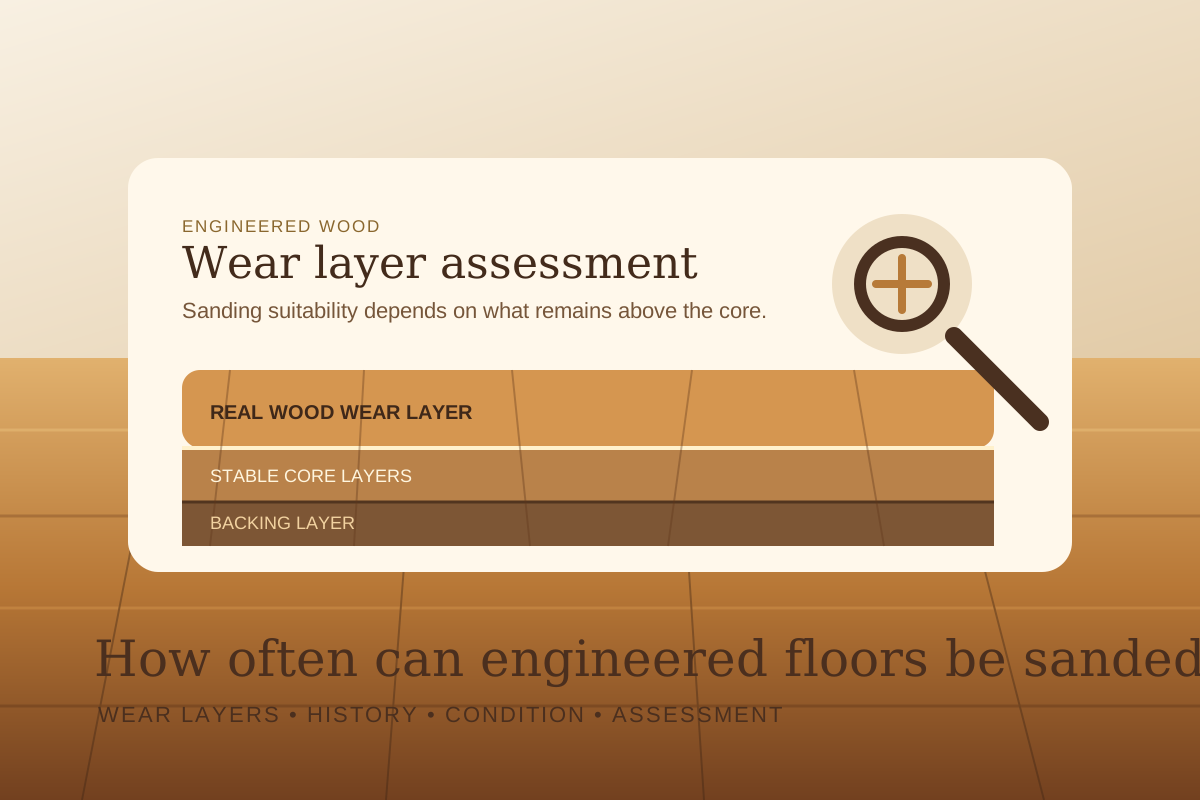
Engineered wood flooring is made from a real hardwood top layer bonded to a layered core beneath. The visible surface is genuine timber, while the core is designed to improve stability.
This construction means engineered flooring can look very similar to solid wood from above. The top layer may be oak or another hardwood, and it can be finished in many of the same styles.
Engineered flooring is often chosen in modern homes because it can be more stable than solid wood. It is commonly used in open-plan spaces, apartments and rooms where temperature or humidity may vary more.
Many engineered floors are also designed for modern installation methods, including floating, glued or compatible underfloor heating systems, depending on the product.
The important point is that engineered wood is not imitation wood. The visible surface is real timber, which is why some engineered floors can be restored successfully when the wear layer is suitable.
Construction differences
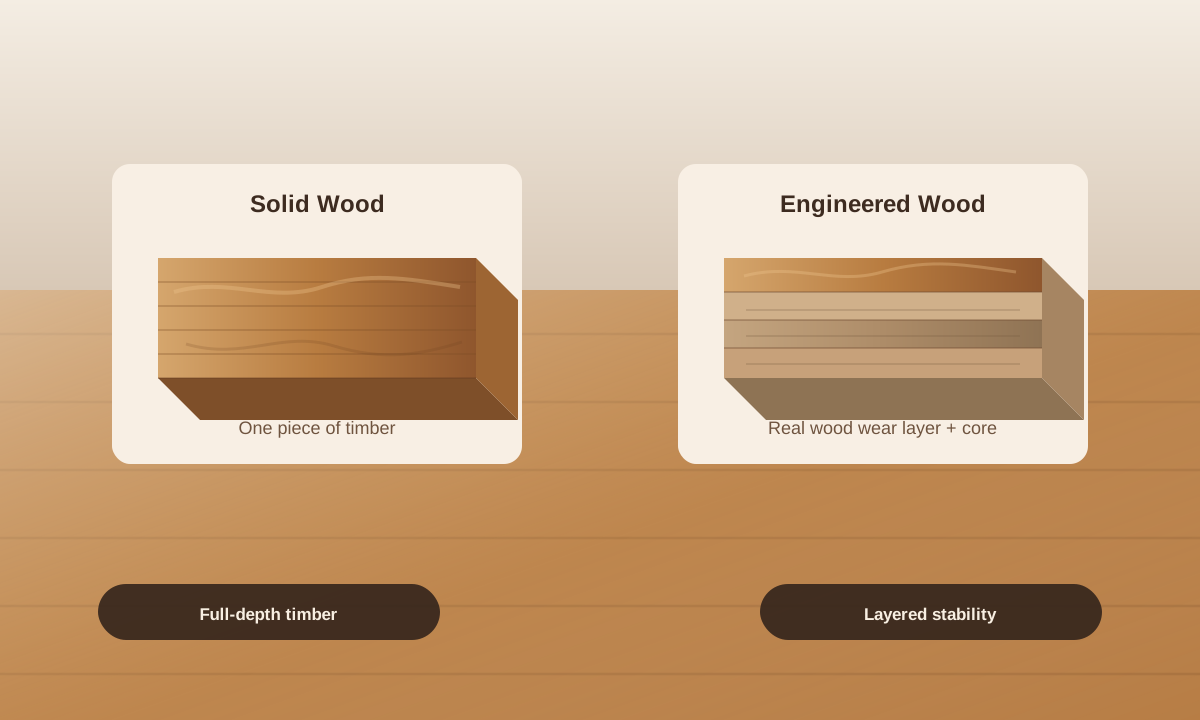
The biggest difference is construction. Solid wood is one piece of timber. Engineered wood combines a real hardwood surface with a layered core.
That difference affects how each floor performs. Solid wood gives a full-depth timber construction, which can be valuable for future sanding and traditional character. Engineered wood is designed to reduce movement and improve stability in certain settings.
With solid wood, the whole board is the same species. With engineered wood, the surface layer is the visible timber and the core provides support.
This is why two floors can look almost identical once installed but have very different restoration limits. From above, both may look like oak. Underneath, one may be solid oak while the other may have an oak wear layer over a core.
Neither construction is automatically better. They simply solve different problems and suit different priorities.
Stability and movement
All timber reacts to its environment. Humidity, seasonal changes and temperature fluctuations can cause wood to expand and contract. This movement is normal, but the floor construction affects how much movement is likely.
Solid wood can move more noticeably because the whole board responds as one piece of timber. It needs careful installation, acclimatisation and appropriate room conditions.
Engineered flooring is often chosen because its layered construction can offer improved stability. The core helps reduce movement, which can make engineered boards practical in modern homes, wider rooms and open-plan layouts.
Underfloor heating is another reason engineered wood is commonly considered. Many engineered products are designed to work with suitable underfloor heating systems, although manufacturer guidance and installation conditions still matter.
Solid wood can be a beautiful choice, especially in traditional settings, but engineered flooring may offer practical advantages where stability is a priority.
Sanding and restoration potential
Restoration potential is one of the main differences homeowners should understand. Solid wood generally has more sanding potential because the board is timber throughout.
That does not mean every solid wood floor can always be sanded repeatedly. Previous sanding, damage, board thickness and condition still matter. But where enough timber remains, solid floors often offer strong long-term restoration options.
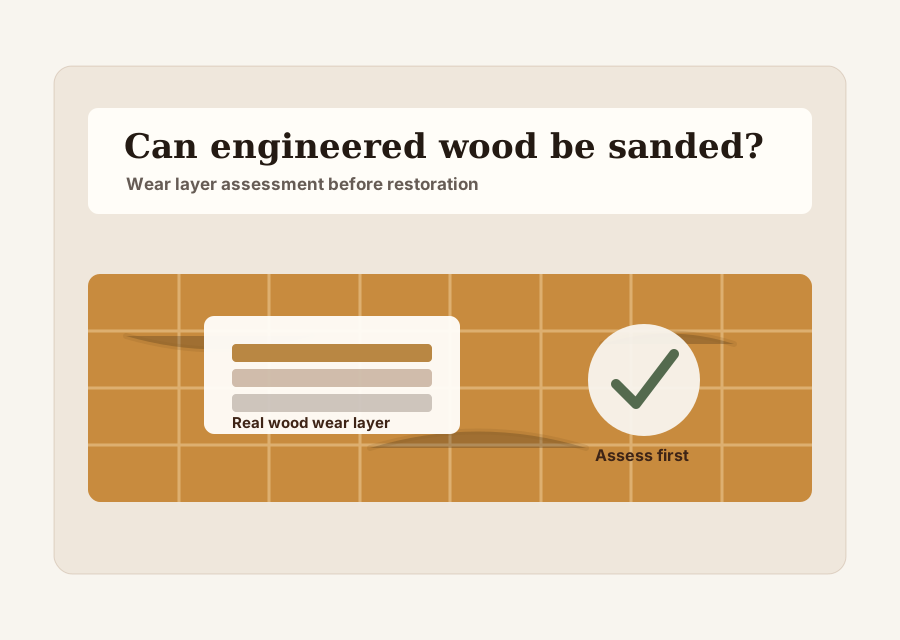
Engineered flooring depends on the thickness and condition of the real wood wear layer. Some engineered floors can be sanded or lightly restored, while others have wear layers that are too thin for full sanding.
Our guide on can engineered wood floors be sanded explains how wear layers affect suitability. For a deeper look at repeat restoration, read how many times engineered flooring can be sanded.
Professional engineered wood floor restoration starts with assessment. The goal is to improve the floor while preserving the wear layer safely.
If a floor is solid timber, dustless floor sanding may provide more scope for full sanding and refinishing, depending on condition.
Which flooring lasts longer?
There is no universal winner. Longevity depends on product quality, installation, maintenance, household use and restoration history.
A well-installed solid wood floor can last for a very long time and may be restored many years after installation. Its full-depth timber construction gives it strong long-term potential when properly cared for.
A good quality engineered wood floor can also provide many years of service. Its stability can be a real advantage in certain homes, and a generous wear layer may allow future restoration.
Problems arise when either type is poorly installed, poorly maintained or used in unsuitable conditions. Excessive moisture, unsuitable cleaning, deep damage and lack of maintenance can shorten the life of any wooden floor.
The better question is not which flooring lasts longer in theory, but which option is best suited to the room, installation method and future maintenance expectations.
Which option is best for different homes?
The right choice depends on the property and the way the room is used. Both solid and engineered wood can be excellent options in the right setting.
Period Properties
Solid wood often suits period properties because it aligns with traditional construction and can preserve the feel of older rooms. Original pine floorboards and solid oak floors are frequently worth restoring.
Engineered wood can still be appropriate in period homes where stability, installation height or modern renovation requirements matter.
Modern Homes
Engineered wood is often popular in modern homes because it offers a real timber surface with improved stability. It can work well in larger rooms and contemporary layouts.
Solid wood can also look beautiful in modern homes, but environmental conditions and installation details need careful consideration.
Homes With Underfloor Heating
Engineered wood is usually the more common choice with underfloor heating, provided the specific product is approved for that use and installed correctly.
Solid wood is more sensitive to temperature and moisture changes, so it is generally less commonly recommended for heated floors.
Family Homes
Both options can work in family homes. Solid wood offers long-term restoration potential, while engineered wood may provide useful stability and installation flexibility.
Finish choice, cleaning routines and traffic levels will usually affect day-to-day performance as much as the construction type.
Renovation Projects
Renovation projects often involve practical constraints such as floor height, subfloor condition, underfloor heating, moisture levels and existing materials.
The best option may depend on those constraints rather than appearance alone. Sometimes restoring an existing solid floor is the strongest route; in other cases, engineered flooring may solve practical installation issues.
Quick comparison guide
This comparison is designed as a practical overview. Individual products vary, so always consider the specific floor rather than relying only on the category name.
Frequently Asked Questions
Is engineered wood flooring real wood?
Yes. Engineered wood flooring has a real hardwood top layer. The difference is that the visible timber sits over a layered core rather than being one solid piece throughout.
Is solid wood flooring better than engineered flooring?
Not universally. Solid wood often offers strong restoration potential, while engineered wood can provide improved stability. The best choice depends on the room and property.
Can engineered flooring be sanded?
Some engineered floors can be sanded or restored, but suitability depends on the thickness of the real wood wear layer, condition and previous sanding history.
Which flooring lasts longer?
Both solid and engineered wood can last for many years when installed, finished and maintained correctly. Product quality, use and maintenance matter more than a simple category label.
Is engineered flooring suitable for underfloor heating?
Many engineered wood products are designed for use with suitable underfloor heating systems, but the specific product and installation guidance must be followed.
How do I choose between engineered and solid wood?
Consider the room, subfloor, underfloor heating, stability needs, restoration expectations, budget and the look you want to achieve.