What makes a floor worth restoring?
A wooden floor should not be judged purely by how it looks on the day you lift a rug, remove carpet or move furniture. Tired boards, dull finish and uneven colour can make a floor look far worse than it really is.
The more important questions sit beneath the surface. Is the timber structurally sound? Is there enough thickness left for safe sanding? Are the boards or blocks stable? Can damaged sections be repaired without the cost becoming disproportionate?
Floor type matters too. Original pine floorboards, oak strip flooring, parquet blocks and engineered wood all have different restoration limits. A floor that looks badly worn may still be an excellent candidate if the timber is sound and the damage is mainly within the finish.
Restoration history is another factor. A floor that has been sanded several times before may need a more careful assessment than one being restored for the first time. Previous repairs, old coatings and hidden damage can also affect the best approach.
Some of the most dramatic transformations begin with floors that appear beyond saving. The key is separating surface wear from deeper structural problems.
Signs a floor may be a good restoration candidate
Many tired floors are good candidates for restoration because the visible problems affect the finish rather than the timber itself. A worn finish, dull appearance, surface scratches, minor staining, uneven colour or old coatings can often be addressed through careful preparation and refinishing.
Traffic lanes are common in hallways, living rooms and routes through kitchens. These areas may look grey, flat or tired because the protective finish has worn down. If the timber beneath is still sound, dustless floor sanding can remove the tired surface and prepare the floor for a new protective finish.
Old coatings can also make a floor look worse than it is. Dark varnish, orange-toned lacquer or patchy oil can hide good timber underneath. Once the old surface is removed, the floor may have far more character and warmth than expected.
Minor staining does not automatically mean replacement. Some marks reduce during sanding, some can be blended into the overall character of the floor, and some may need local repair. The important point is to assess the depth and cause of the staining before deciding.
A floor is often worth investigating if the boards feel firm underfoot, there is no widespread movement, and the issues are mainly visual. Even if repair work is needed, restoration may still be the most sensible route.
Common problems that can often be repaired
Successful restoration often includes repair work. Loose boards, gaps, damaged sections, threshold issues, isolated staining and parquet movement are not unusual, especially in older properties.
Wood floor repairs can stabilise loose boards, replace damaged timber, address problem thresholds and prepare the floor properly before sanding or finishing. Repairing these issues first gives the final finish a better foundation.
Gaps are common in original floorboards. Some are part of the character of an older floor, while others may need attention because they collect dirt, create draughts or affect the overall appearance. The right approach depends on the width, movement and style of the floor.
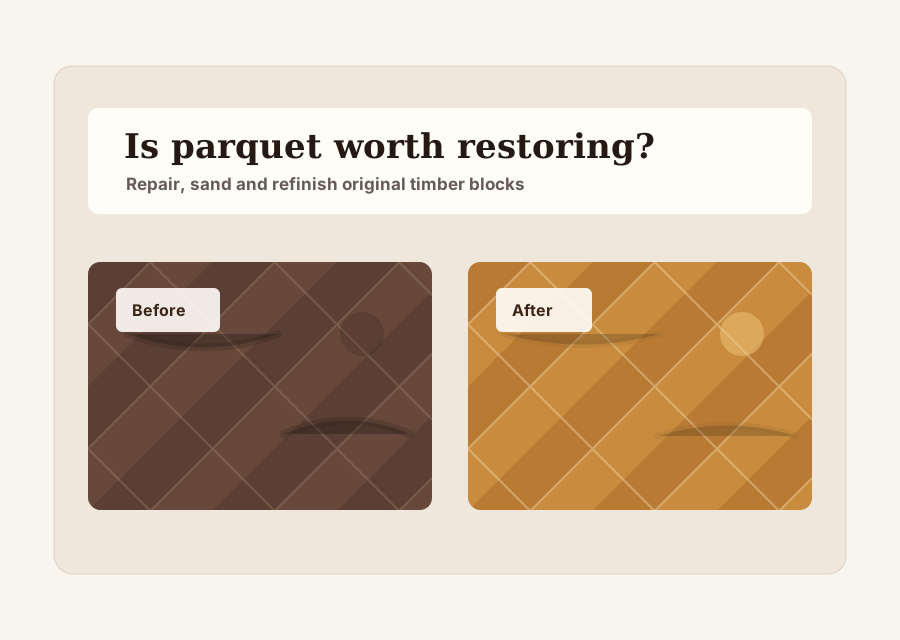
Parquet floors can look particularly alarming when blocks become loose or uneven. In many cases, this does not mean the floor has failed completely. Localised lifting, missing blocks and small areas of movement can often be repaired before sanding and refinishing.
Where block flooring is involved, parquet floor restoration usually combines assessment, repair, sanding and finishing. The pattern and original timber are often worth preserving, especially in period homes.
Isolated staining can also be manageable. Some marks can be improved during sanding, while others may need a local board or block replacement. The aim is not to pretend every mark disappears, but to decide whether the restored floor will look balanced, practical and worth the investment.
When restoration may not be worthwhile
Although many wooden floors can be improved, restoration is not always the best answer. Sometimes replacement is the more honest recommendation.
Severe rot, structural instability, widespread water damage, major movement or large areas of failed timber can make restoration difficult or uneconomical. If the floor is unsafe underfoot, the priority is the structure rather than the surface finish.
Engineered wood also needs careful judgement. If the real wood wear layer is very thin, already over-sanded or damaged down to the core, full sanding may not be suitable. In those cases, a lighter restoration method may be possible, but sometimes replacement is the better option.
Repeated previous sanding can also limit what is possible. Every sanding removes a small amount of material. If a floor has little usable timber left, further sanding may create more risk than value.
Extensive moisture damage can be another deciding factor. Some water damaged floors can be repaired and restored, while others suffer distortion, delamination or rot that makes replacement more sensible.
These situations are less common than many homeowners expect, but they do occur. A trustworthy assessment should explain when restoration is realistic and when it is not.
Floor type considerations
Different wooden floors have different restoration potential. The same scratch, stain or loose section may need a different response depending on the floor construction.
Original Pine Floorboards
Original pine floorboards are often worth assessing before replacement. They can carry a lot of character, especially in older North East homes, and many boards respond well to sanding and refinishing.
Pine is softer than oak, so dents and historic marks are common. Some owners want a clean modern result, while others prefer to retain a degree of age and character. Repairs, filling and careful sanding are often part of the process.
The main considerations are board stability, previous sanding history, gaps and any damaged or split sections. If the boards remain sound, restoration can often make a very tired pine floor feel warm and usable again.
Oak Floors
Oak and other hardwood floors are usually strong candidates for restoration when enough timber remains. They tend to respond well to sanding, and they can be finished in natural, matt, satin or stained systems depending on the desired appearance.
Scratches, traffic lanes, worn lacquer and old colour can often be addressed during restoration. The condition of the joints, any movement and the depth of staining still need to be checked before work is recommended.
Parquet Flooring
Parquet flooring is frequently worth saving because the pattern, timber and craftsmanship are difficult to replicate cheaply. Herringbone, block and finger parquet floors may look untidy when worn, but they often have excellent restoration potential.
Loose blocks, gaps and old adhesive issues should be repaired before sanding. Once stable, parquet can often be transformed with careful sanding and finishing while retaining its original character.
Engineered Wood Floors
Engineered wood needs a more cautious assessment because only the top layer is real hardwood. Some engineered floors can be sanded or restored, while others have wear layers that are too thin for full sanding.
Suitability depends on the wear layer, floor condition, previous restoration work and the depth of damage. Our engineered wood floor restoration service focuses on assessing the safest route before recommending sanding, restoration or another option.
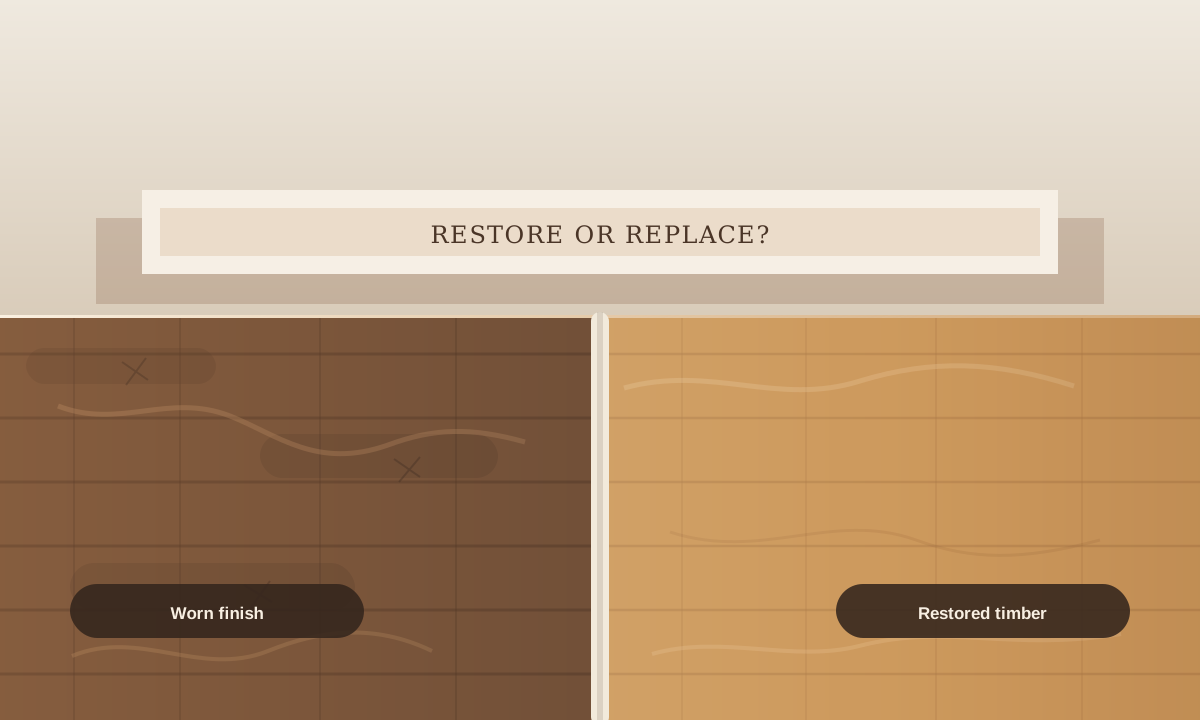
Restoration versus replacement
Replacement can be the right decision when a floor is unsafe, rotten, too thin or beyond practical repair. But where the timber is sound, restoration often deserves serious consideration.
Restoring a wooden floor can retain original timber, preserve character and reduce waste. In older homes, the floor is often part of the building rather than just a surface covering. Keeping it can protect the feel of the room in a way new flooring may not match.
Restoration can also be less disruptive in many situations. There is no need to remove and dispose of the entire floor, select a replacement product, acclimatise new boards or refit large areas where the existing floor is still usable.
That said, restoration should be judged honestly. A floor that needs extensive repair, replacement boards and complex preparation may not always be cheaper than a new installation. Cost, condition and the desired result all matter.
The most useful comparison is not simply restoration versus replacement. It is whether the existing floor can be restored to a result that looks good, performs well and makes sense for the property.
Photos that help us assess a floor
Clear photos can often help us give useful early advice before a visit or quote. They do not replace a full assessment in every case, but they can quickly show whether a floor looks suitable for restoration, repair or further inspection.
The most helpful images include a full room photo, close-ups of damage, scratches, staining, loose boards, parquet sections, gaps and thresholds. If the floor is engineered, any product information, exposed edges or underside details can also help.
If there has been water damage, include the affected area and the likely source if known. For parquet, show any lifting blocks or missing sections. For floorboards, show gaps, splits, edges and any boards that feel loose.
You can send us photos through the quote form and tell us what you would like to achieve. From there, we can usually advise whether restoration, sanding, repairs or replacement appears most sensible.
Quick decision guide
The guide below is not a substitute for assessment, but it gives a useful starting point when deciding whether a wooden floor may be worth restoring.
Frequently Asked Questions
How do I know if my wooden floor is worth restoring?
A floor is usually worth assessing if the timber feels stable, the damage is mainly surface wear and there is enough material left for safe sanding or restoration. Photos can often help us advise on the likely options.
Can badly scratched floors be restored?
Many scratched floors can be improved through sanding and refinishing, but it depends on the depth of the scratches, the floor type and how much usable timber remains.
Can water damaged floors be repaired?
Some water damaged floors can be repaired and restored, especially where damage is localised. Severe swelling, rot, delamination or structural movement may make replacement more sensible.
Is restoration cheaper than replacement?
Restoration is often more cost-effective than replacing a sound timber floor, but this depends on the amount of repair work required, the floor type and the result you want to achieve.
Can old parquet flooring be saved?
Old parquet is often worth restoring if the blocks are repairable and the floor can be stabilised. Loose blocks, worn finish and minor gaps do not automatically mean replacement is needed.
When should a floor be replaced instead?
Replacement may be more appropriate where timber is rotten, structurally unsafe, severely water damaged, over-sanded or where the cost of repair is disproportionate to the likely result.