How do steam mops work?
Steam mops use heat, moisture and steam pressure to loosen dirt from a surface. Instead of relying mainly on a bucket of water and detergent, they heat water and deliver vapour through a pad or mop head.
On tiles, sealed stone or some resilient floors, this can feel convenient because the surface is generally less sensitive to short bursts of heat and moisture.
Wooden floors are different. The visible surface may be protected by a finish, but the floor still contains natural timber underneath. If steam reaches joints, gaps, scratches or worn areas, moisture can travel where a normal lightly damp clean would not.
Traditional damp cleaning should use controlled moisture: a well-wrung mop, suitable cleaner and a floor that dries quickly. Steam cleaning introduces heat as well as moisture, which is why it raises more concern on timber floors.
The issue is not always one dramatic cleaning session. Risk often builds when steam is used repeatedly, especially on floors with older finishes, open joints, loose boards, parquet movement or engineered construction.
Why are wooden floors different?
Wood is a natural material. Even after sanding, staining and finishing, timber continues to respond to changes in moisture, temperature and indoor conditions.
Timber expands and contracts as moisture levels change. This natural movement is one reason gaps can appear, boards can cup and parquet blocks can move when conditions change significantly.
A floor finish helps protect the timber, but it does not make the floor behave like ceramic tile. Lacquer, oil and hardwax oil systems all have limits, especially where the finish is worn, scratched or damaged.
Tiles and stone do not swell in the same way as timber. Vinyl and laminate have their own manufacturer guidance, but they do not behave like solid timber floorboards or parquet blocks.
Wooden floors also have joints, edges and thresholds where moisture can enter. These vulnerable points are often where cleaning damage begins.
This is why a cleaning method that works well in a bathroom or kitchen on non-timber surfaces may not be suitable for a restored wooden floor.
Heat and moisture concerns
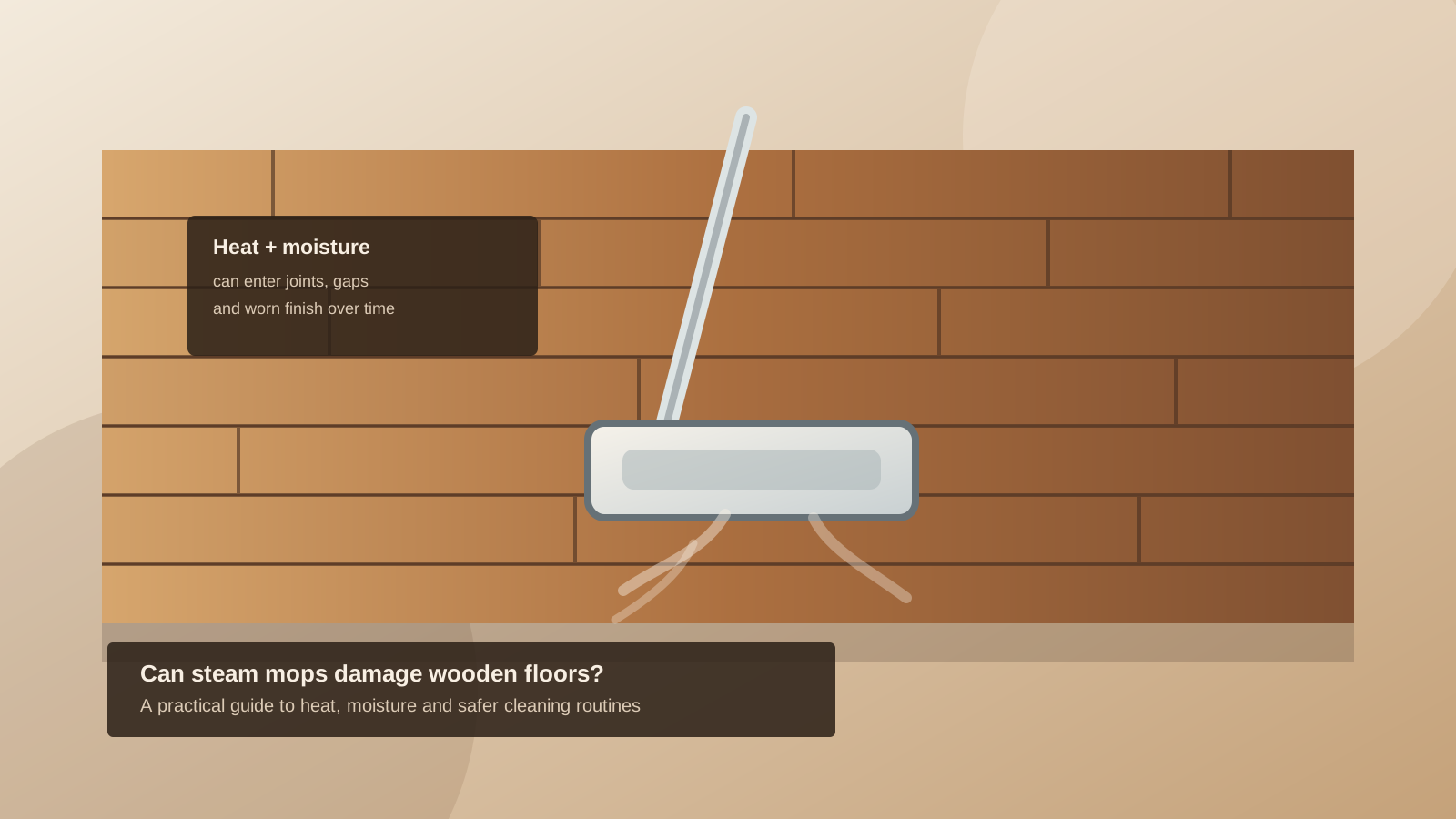
The main concerns with steam mops are heat and moisture. Used together, they can stress both the finish and the timber beneath it.
Moisture penetration is one risk. Steam can find its way into fine gaps, worn areas, scratches and open joints. If moisture sits beneath or within the timber, it may contribute to swelling, staining, cupping or movement.
Finish stress is another concern. Heat can affect some coatings, especially where the finish is already tired, thin or damaged. The surface may become dull, patchy or harder to clean.
Repeated exposure can also make existing problems more obvious. A parquet floor with slightly loose blocks, an engineered floor with vulnerable edges or old floorboards with open gaps may react poorly over time.
This does not mean every steam mop instantly ruins every wooden floor. It does mean that heat and moisture are common reasons flooring professionals approach steam cleaning cautiously.
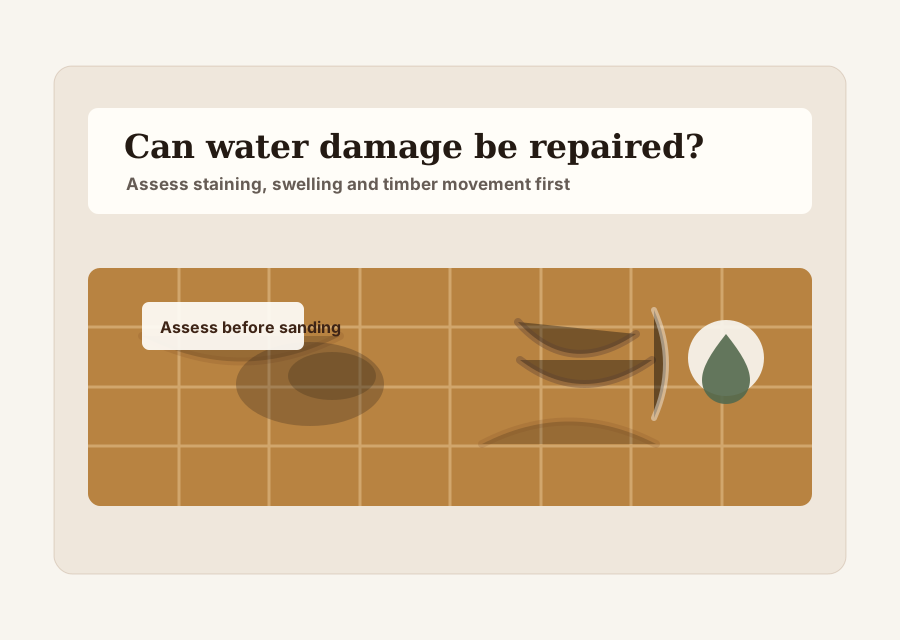
If a floor already shows swelling, black marks, lifting or water staining, our guide to water damaged wooden floors explains when repair or restoration may still be possible.
Different floor types and steam cleaning
Different wooden floors respond differently to steam cleaning. Construction, age, finish condition and installation all matter.
Original Pine Floorboards
Original pine floorboards are often found in older homes and may have gaps, nail holes, old repairs or areas where the finish is thinner. Steam can enter these vulnerable points more easily than a controlled damp clean.
Pine is also a softer timber, so the finish does a lot of day-to-day protective work. If that finish is worn, moisture exposure becomes more concerning.
Oak Floors
Oak is a durable hardwood, but it is still timber. Steam cleaning can still be risky where joints are open, the finish is worn or the room is already affected by humidity changes.
A well-finished oak floor usually responds best to dry grit removal and lightly damp cleaning with suitable products.
Parquet Flooring
Parquet flooring is made from many individual blocks. That means lots of joints and, in older floors, potential adhesive vulnerabilities.
Steam and moisture can be a concern where blocks are loose, gaps are open or adhesive has weakened. In those cases, repair and restoration advice is safer than aggressive cleaning.
Engineered Wood Floors
Engineered wood flooring has a real wood surface over layered construction. Heat and moisture can be especially concerning if they reach the edges or affect the layers beneath the surface.
Manufacturer guidance is particularly important with engineered floors. Our guide to engineered and solid wood flooring explains why construction affects maintenance and restoration decisions.
Finish systems and steam exposure
The finish system can influence how a wooden floor responds to steam exposure. The same cleaning method may carry different risks on lacquered, oiled and hardwax oil floors.
Lacquer finishes form a protective coating over the surface. When intact, lacquer helps resist everyday spills and cleaning moisture. If the lacquer is scratched, worn or cracked, steam may reach vulnerable areas more easily.
Oil finishes behave differently because they sit closer to the timber rather than forming the same type of surface film. Oiled floors often need compatible maintenance and can be more sensitive to unsuitable cleaning products.
Hardwax oil systems can offer a natural appearance with protective qualities, but they still need the right maintenance routine. Steam cleaning can be a poor fit if it dries, stresses or contaminates the finish.
Our lacquer vs oil guide explains the broader differences between common finish systems and why maintenance expectations matter.
If you do not know what finish is on the floor, avoid aggressive cleaning methods until the surface has been identified. Using the wrong cleaning approach can make later restoration more complicated.
What do manufacturers often recommend?
Many flooring and finish manufacturers encourage controlled moisture, gentle cleaning and maintenance products designed specifically for timber floors.
Advice varies by product, but the general theme is usually cautious: avoid saturating the floor, avoid excessive heat, avoid harsh chemicals and use cleaning methods compatible with the finish.
This is especially important for engineered flooring, prefinished products and floors still covered by manufacturer guidance. Using a steam mop against that guidance may create problems if the floor later needs assessment or warranty support.
Professional restoration advice tends to be similarly cautious because steam combines two things timber floors do not generally like in excess: heat and moisture.
A floor may look clean immediately after steam mopping, but that does not prove the method is ideal long term. Some damage develops slowly, especially around joints, edges and worn areas.
When in doubt, the safest route is to follow the floor or finish manufacturer’s care instructions and use low-moisture maintenance methods intended for wood.
Safer alternatives for wooden floors
Most wooden floors do not need steam cleaning to stay clean. Simple, consistent maintenance is usually more effective and less risky.
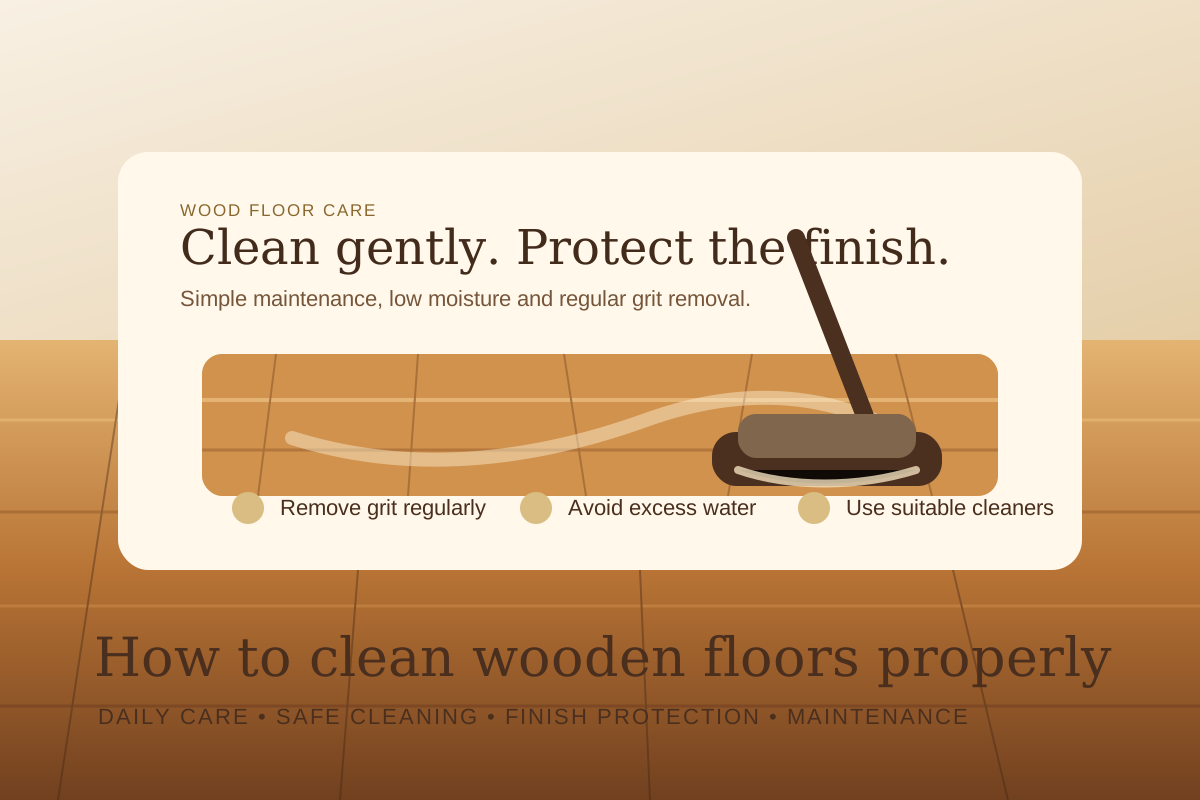
Regular vacuuming or sweeping removes grit before it scratches the finish. Use a vacuum setting or attachment suitable for hard floors, and avoid dragging damaged wheels or rough brushes across the surface.
Microfibre cleaning is usually a good option. The pad should be lightly damp rather than wet, and the floor should dry quickly after cleaning.
Grit removal matters more than frequent wet cleaning. Tiny particles under shoes and chair legs are one of the main causes of dull traffic lanes.
Our guide on how to clean a wooden floor properly explains daily and weekly routines in more detail.
It is also worth understanding what should never be used on a wooden floor, including excessive water, harsh chemicals and abrasive tools.
If cleaning no longer improves the floor, the issue may be worn finish rather than dirt. In that case, sandless wood floor restoration or dustless floor sanding may be more appropriate depending on the level of wear.
Quick steam mop guide
Use this guide as a practical starting point. The safest answer still depends on the floor type, finish condition and manufacturer guidance.
Frequently Asked Questions
Can steam mops damage wooden floors?
They can, especially with repeated use or where the finish is worn, scratched or open at the joints. The concern is the combination of heat and moisture.
Are steam mops safe for engineered flooring?
Engineered flooring needs particular caution because heat and moisture can affect edges and layered construction. Always check manufacturer guidance.
Can steam cleaning damage parquet floors?
Steam can be risky on parquet where blocks are loose, gaps are open or old adhesive is vulnerable. Gentle low-moisture cleaning is usually safer.
Why do some flooring manufacturers discourage steam mops?
Many manufacturers discourage steam because heat and moisture can stress finishes, enter joints and contribute to movement or moisture damage over time.
What is the safest way to clean a wooden floor?
Remove grit regularly, use a suitable wood floor cleaner sparingly and clean with a lightly damp microfibre mop rather than soaking the floor.
Can steam affect floor finishes?
Yes. Steam may dull, stress or mark some finishes, particularly where the coating is older, worn, scratched or already failing.