Can wooden floors actually be made lighter?
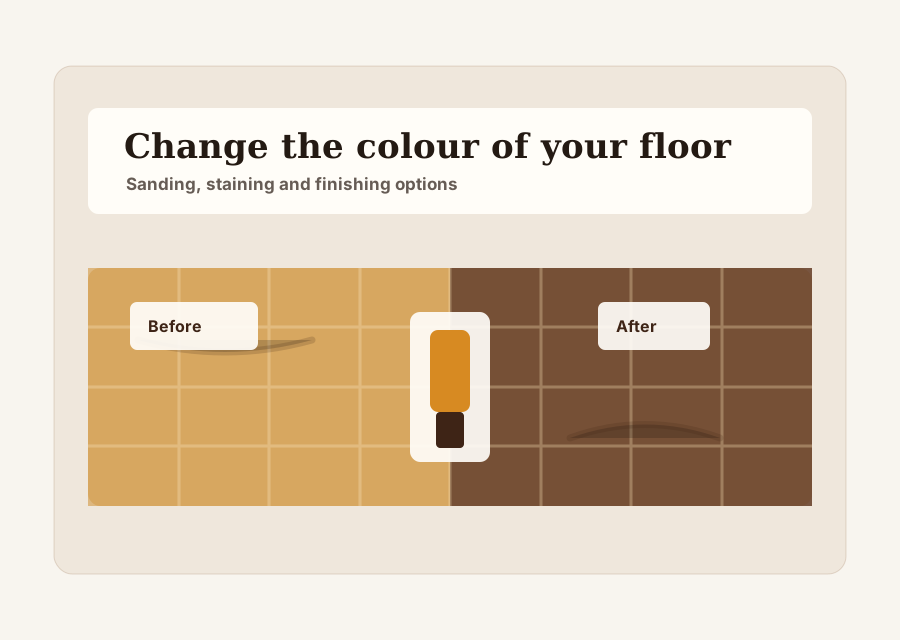
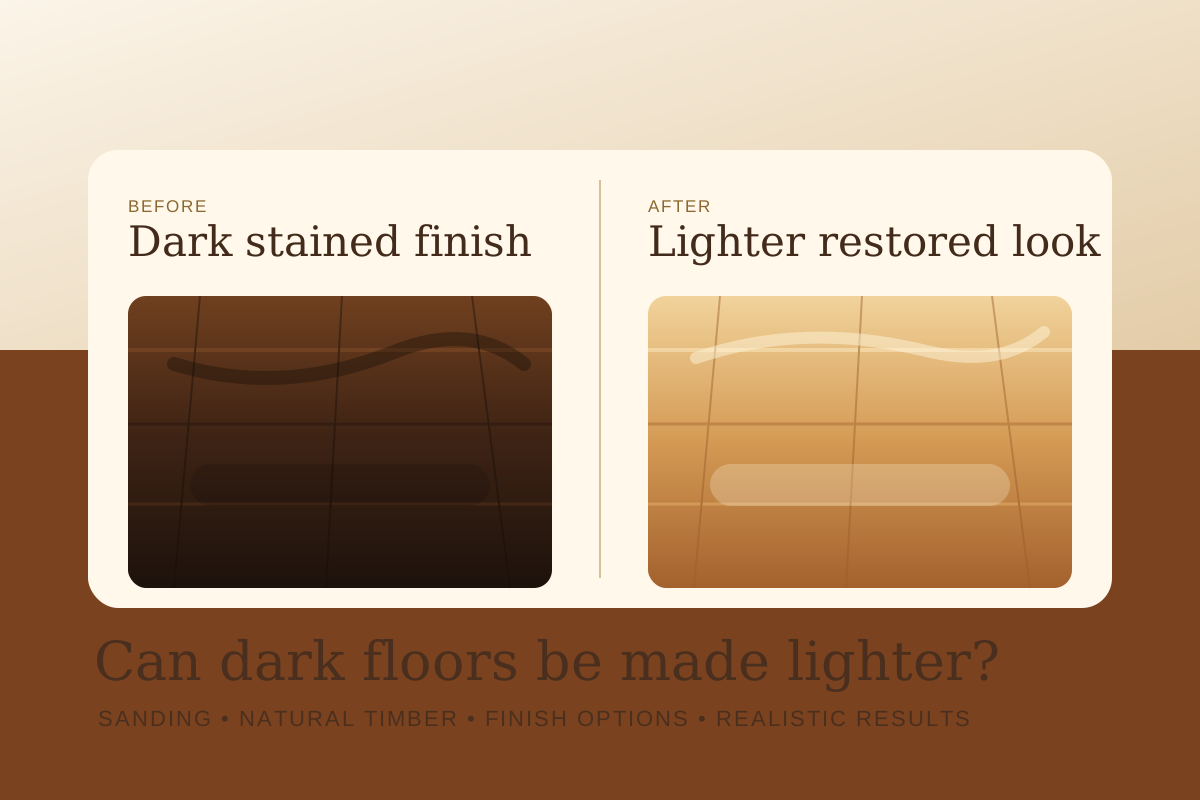
Often, yes. Many dark wooden floors can be made lighter by sanding away old finishes, dark stains, surface colour treatments and aged coatings. Once those layers are removed, the cleaner timber underneath can be refinished in a more natural or lighter-looking style.
The important word is often. The natural colour of the timber still influences the final result. Oak, pine, parquet and darker hardwoods all respond differently, even when the same sanding and finishing process is used.
A dark floor may be dark because it has been stained walnut, because an old oil has deepened with age, because a lacquer has yellowed, or because the timber itself is naturally dark. Those situations have different outcomes.
In many homes, the goal is not to turn the floor into something it can never be. It is to remove the heavy, dated or orange look and create a cleaner, more natural appearance that suits the room better.
What determines a floor’s colour?
A wooden floor’s colour is influenced by several factors at the same time. Timber species is the starting point. Pine often has warmer yellow or amber tones. Oak tends to be more neutral but can still vary widely. Some hardwoods are naturally darker and will never look like pale oak.
Previous stains also matter. A dark stain sitting close to the surface may sand away well. A stain that has penetrated deeply into open grain, gaps or softer timber may leave some shadowing or variation.
Old lacquer and oil finishes can change colour as they age. Some coatings become yellow, orange or brown over time, especially in rooms with strong sunlight, rugs, furniture outlines or uneven wear. UV exposure can also make covered and uncovered areas look different.
This is why two floors can respond differently to the same restoration process. One dark floor may sand back to a clean natural tone, while another may still carry warmth, grain variation or traces of previous colour.
Removing dark stains and finishes
Professional sanding can remove many old surface finishes, worn coatings, dark stains and discoloured layers. The aim is to take the floor back to a properly prepared timber surface before applying a new finish.
This is where dustless floor sanding becomes important. A controlled sanding process works through the floor in stages, removing the old surface and refining the timber so the final finish sits evenly.
Sanding can reveal a floor that looks much lighter than expected, especially where the darkness was caused by an old coating rather than the timber itself. It can also show the true character of the boards or blocks, including grain, repairs and natural colour differences.
Some staining may remain if it has penetrated deeply. That does not always mean the floor cannot be improved; it means the final look needs to be discussed honestly before the finishing system is chosen.
This is also why test areas and professional judgement matter. A floor may look very dark before sanding, then reveal a cleaner and warmer timber tone once old coatings are removed. Another floor may remain darker because the colour is part of the timber itself rather than a removable surface treatment.
Floor types and colour change limitations
The type of floor makes a big difference to how far a colour change can go. The safest approach is to assess the timber, existing finish and condition before deciding what is realistic.
Pine Floorboards
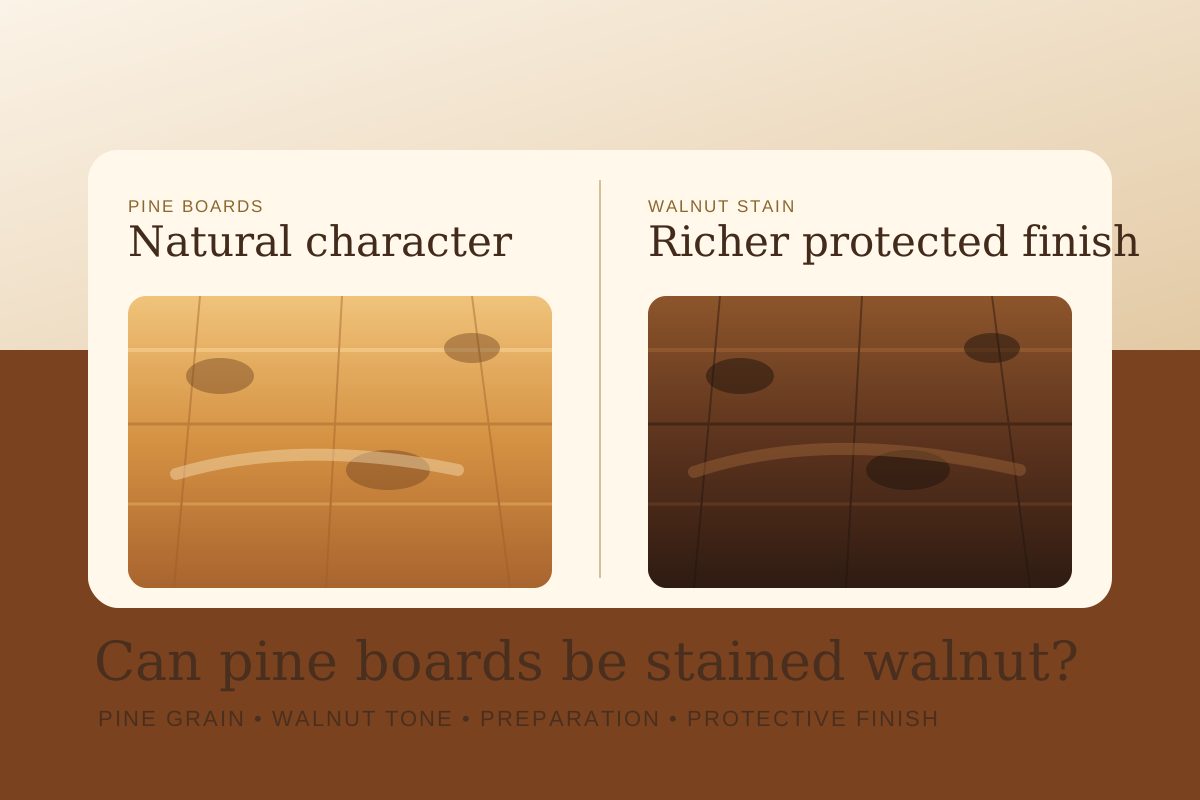
Pine floorboards can often be made lighter by removing old varnish, stain or darkened finish. However, pine is naturally warm and can absorb colour unevenly. A natural matt finish may reduce orange tones, but pine will usually retain some warmth.
Oak Floors
Oak is often one of the best candidates for a lighter, more natural look. Once dark finishes are removed, oak can suit natural, light oak, extra matt or contemporary low-sheen finishes. Previous stain depth and wear still need checking.
Parquet Flooring
Parquet floors can often be transformed by sanding and refinishing, especially when old coatings have made the pattern look heavy or dull. During parquet floor restoration, loose blocks, gaps and repair history should be assessed before planning a lighter finish.
Hardwood Floors
Hardwood floors vary widely. Some can be lightened significantly once old finish is removed. Others are naturally darker, redder or richer in tone, so a pale oak look may not be realistic even after careful sanding.
Engineered flooring considerations
Engineered floors need extra care because only the top layer is real hardwood. That layer is known as the wear layer, and it determines whether sanding or colour change work may be suitable.
A dark engineered floor may be lightened if the wear layer is thick enough, the floor is stable and the colour can be removed without taking away too much timber. If the wear layer is thin or the floor has already been sanded before, full colour change work may not be safe.
WoodXpert provides engineered wood floor restoration advice before recommending sanding. For a deeper explanation, our guide on can engineered wood floors be sanded explains wear layers, sanding limits and restoration options.
Sometimes a sandless restoration or compatible finish refresh is a better choice than trying to force a dramatic colour change on a floor with limited sanding depth.
When lightening may not be possible
There are situations where a dark floor cannot be lightened as much as the homeowner originally imagined. Deep stain penetration, thin engineered wear layers, heavily altered timber, structural limitations, severe damage and previous restoration history can all limit the result.
If a dark stain has soaked deeply into soft timber or open grain, sanding may reduce it but not remove every trace. If boards have black staining, water marks or old adhesive contamination, those areas may still show character after restoration.
Previous sanding history can also limit the options. A floor that has already been sanded several times may not have enough usable timber left for another aggressive colour-change project.
In these cases, the aim may shift from creating a very pale floor to achieving a cleaner, softer and more natural appearance. Improvement may still be achievable without reaching the exact colour originally imagined. A realistic finish can still make the room feel brighter without pretending the timber is something it is not.
Popular lighter floor looks
Many homeowners asking about lighter floors are really looking for a more natural appearance. They want to move away from heavy dark stains, orange varnish or glossy coatings towards something calmer and easier to live with.
Popular lighter looks include natural oak, light oak, contemporary matt finishes, Scandinavian-inspired tones and low-sheen protective finishes. These finishes can make rooms feel brighter while still preserving the character of the timber.
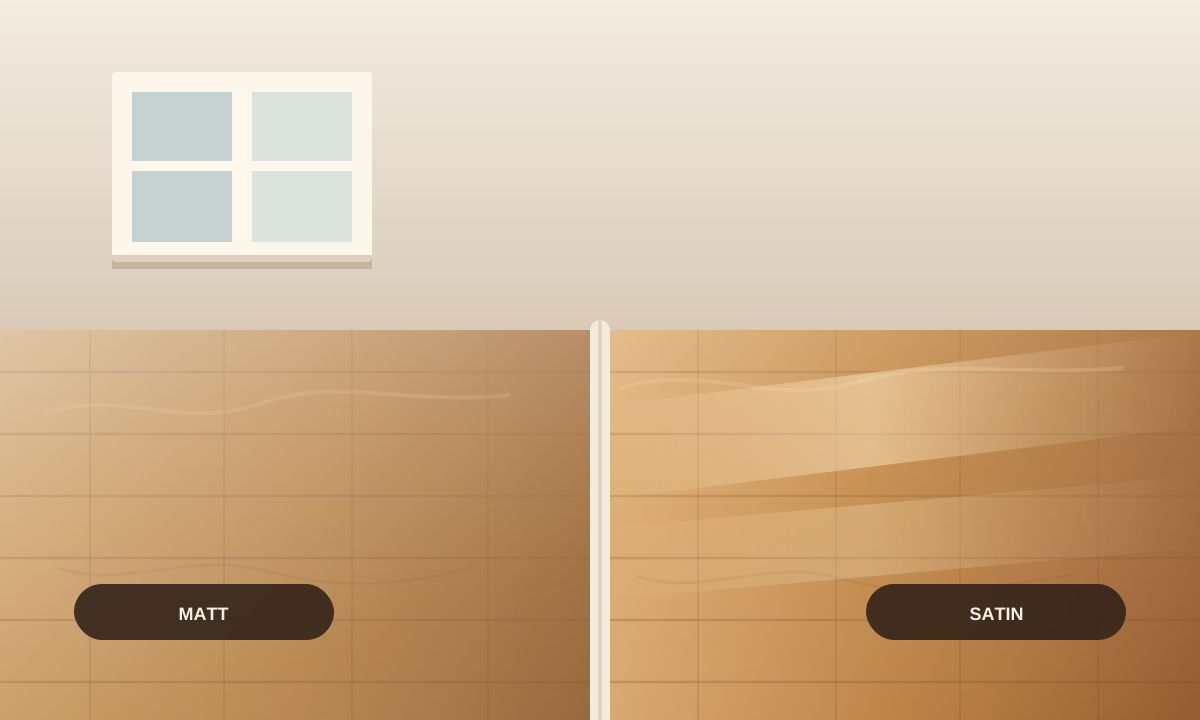
Sheen level also affects how light a floor feels. Our guide to matt vs satin finishes explains how reflection, light and surface appearance can change the overall result.
A lighter look does not always require a pale stain. Often, sanding away the old finish and applying a clear matt or extra matt coating can produce a fresher result. In other cases, carefully selected colour work is needed to soften warmth or create a more consistent tone.
WoodXpert can advise on wood floor staining and finishing options once the timber type, existing colour and desired result are understood.
Photos that help us advise
Photos help us understand whether a lighter look is likely to be achievable. Useful images include a full-room view, close-ups of the current colour, worn areas, thresholds, edges, corners and any parquet pattern or repair work.
If the floor is engineered, include product details, spare boards or exposed edges if available. These can help us understand whether sanding depth may be limited.
It is also helpful to send inspiration images showing the kind of lighter finish you like. We can then explain whether that look is realistic for your floor or whether a slightly different approach would be more honest.
You can send us photos through the WoodXpert quote form and tell us whether you are aiming for natural oak, light oak, matt, extra matt or another finish direction.
Frequently Asked Questions
Can dark wooden floors be made lighter?
Often, yes. Sanding can remove many old dark finishes and colour treatments, but the natural timber colour still affects the final result.
Can dark stain be removed from a wooden floor?
Many dark stains can be reduced or removed through sanding, but deep stain penetration, timber species and previous sanding history all affect the outcome.
Can engineered flooring be lightened?
Some engineered floors can be lightened if the wear layer is thick enough and the floor is suitable for sanding. Thin or previously sanded floors may need a different approach.
Can parquet floors be made lighter?
Many parquet floors can be made lighter through repair, sanding and refinishing, especially where old coatings have darkened the pattern.
Will sanding completely remove old stain?
Sanding can remove many surface stains, but deeply absorbed colour may still leave some warmth, shadowing or variation in the timber.
Can every floor become a pale oak colour?
No. Pale oak results depend on the timber species, existing colour, stain depth, floor construction and condition. Some floors can be lightened but not made extremely pale.