Can pine floorboards be stained walnut?
Yes, in many cases pine floorboards can be stained walnut successfully. The floor normally needs professional sanding and preparation first so old coatings, surface dirt, worn finish and previous colour are removed before the stain is applied.
Wood floor staining and finishing is a staged process. The boards are prepared, the timber is sanded through the right grades, the stain is applied carefully, and a protective finish is added over the top.
Walnut staining is often chosen when homeowners want pine boards to look richer, deeper and less orange. It can suit living rooms, hallways and bedrooms where the original pine has character but the current colour no longer works with the rest of the interior.
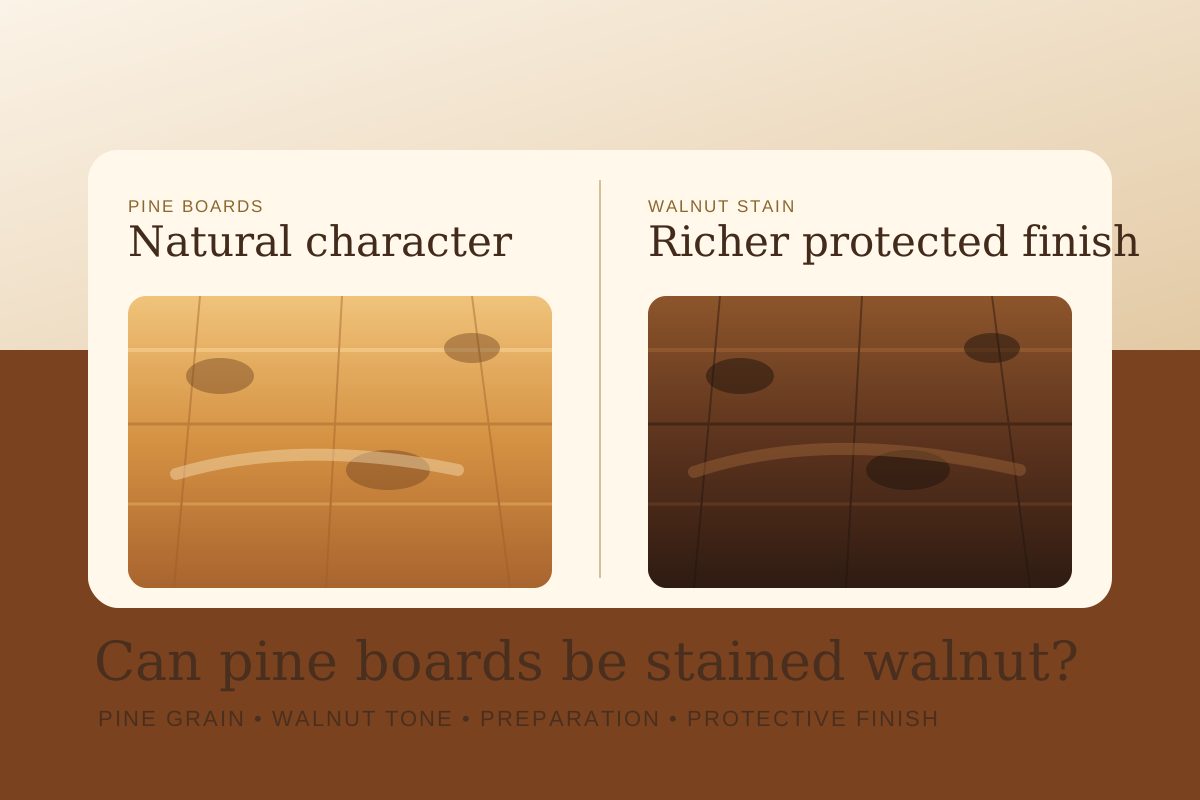
The important point is that stained pine will still look like pine. The stain can change the tone, but it does not turn pine into walnut timber. Knots, grain, age and board variation remain part of the finished floor.
That is usually part of the appeal. A walnut tone can make pine feel more considered and grown-up while still keeping the evidence that it is an original timber floor rather than a new manufactured surface.
Why pine behaves differently from oak
Pine is a softer timber than oak, and it behaves differently when it is sanded, stained and finished. It often has more visible knots, stronger board-to-board variation and a naturally warm base colour.
Those characteristics are not a problem, but they do influence the final appearance. Walnut stain may look deeper in some boards and softer in others. Knots can remain darker, and older areas of timber may absorb colour differently from newer replacement boards.
Oak tends to accept many stains more predictably because of its grain structure and natural tone. Pine can look beautiful stained walnut, but the result is usually more characterful and varied rather than perfectly uniform.
This is why samples and honest expectations matter. The goal is not to erase the history of the floor, but to create a richer finish while keeping the character that makes original pine floorboards worth restoring.
Preparing pine floorboards for staining
Preparation is often the most important stage of staining pine. Old varnish, wax, polish, paint traces, carpet adhesive, dirt and worn finish can all affect how evenly the stain takes.
Dustless floor sanding removes the old surface and prepares the boards for finishing. The sanding sequence matters because sanding marks, missed edges or uneven preparation can become more visible once a darker stain is applied.
Repairs should also be considered before staining. Loose boards, damaged sections, open gaps, failed filler and threshold issues can affect both appearance and performance. WoodXpert carries out wood floor repairs where needed before staining and finishing.
Filling is sometimes appropriate, but it needs to be handled carefully. Fillers and replacement boards may absorb stain differently from the surrounding pine, so the aim is a balanced, honest finish rather than pretending every board is identical.
What walnut-stained pine actually looks like
Walnut-stained pine usually creates a richer, deeper and warmer floor. The grain remains visible, knots still show, and the character of the original boards is retained.
In good lighting, the finished floor can feel more contemporary than orange varnished pine while still looking natural. In darker rooms, walnut tones can feel more dramatic, so it is worth thinking about wall colour, daylight, furniture and the size of the room before deciding how deep to go.
The same floor can look different throughout the day. Morning light, evening light and artificial lighting can all change how warm or dark the stain appears.
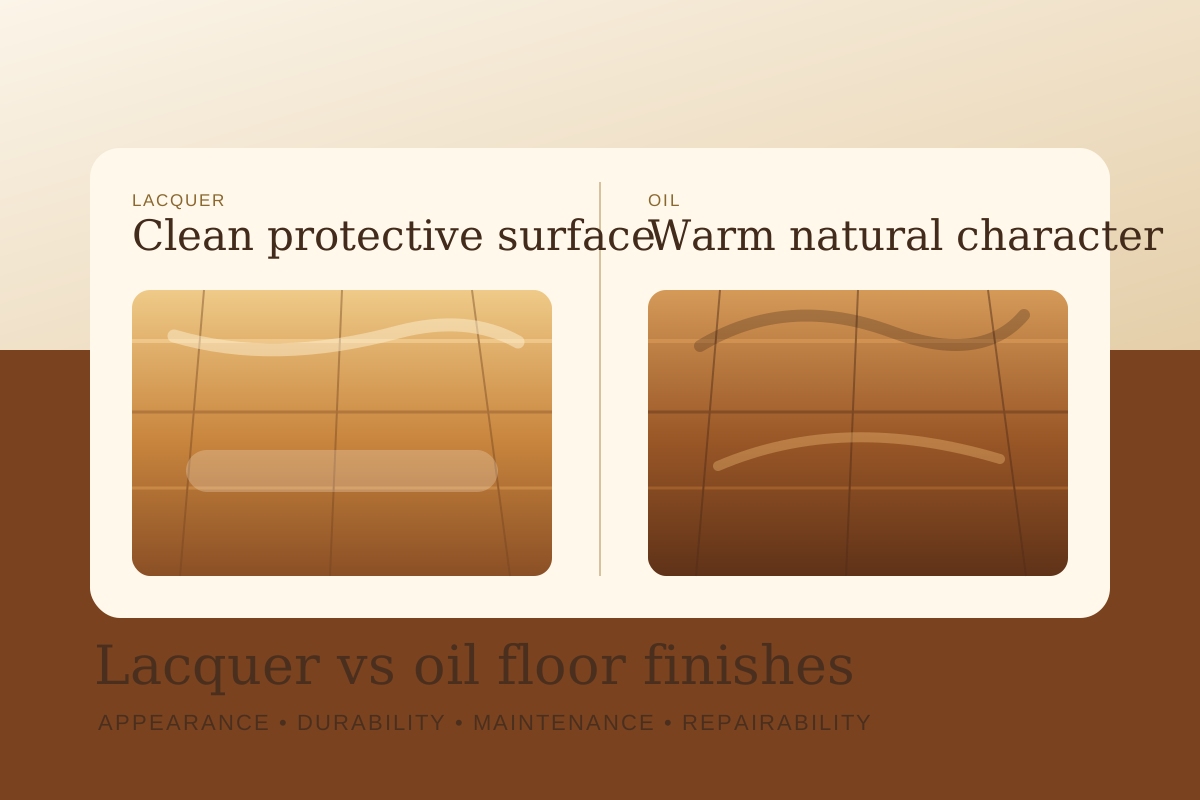
Finish choice also affects the final appearance. A matt lacquer can make a walnut-stained pine floor feel calmer and more contemporary, while satin may add a little more reflection and richness. Oil or hardwax oil can create a more natural feel, but maintenance expectations should be discussed first.
A useful example is the Walnut-Stained Pine Floorboards In South Shields project, shown in the WoodXpert project library. It demonstrates how original pine can be taken in a richer direction while still retaining timber character.
Common staining challenges
Pine can absorb stain unevenly, especially where boards vary in age, density or previous condition. Softer areas may take more colour, while harder areas can appear lighter.
Previous repairs can also show after staining. Replacement boards, old filler, nail holes, historic water marks and contaminated areas may all react differently. Professional preparation reduces these risks, but it cannot remove the natural variability of timber.
Old coatings and contamination are another challenge. If wax, polish, adhesive or deep staining has penetrated the boards, it may affect how cleanly the floor sands and how evenly the colour settles.
This is why darker staining should be approached carefully. A darker stain can add richness, but it can also highlight poor sanding, uneven repairs or areas of old damage if the floor is not prepared properly.
Samples can help, but they should be treated as guidance rather than a fixed promise. A small test area may not include every knot, repair, board age or lighting condition found across the whole room.
Alternative stain colours
Walnut is popular, but it is not the only option. Some pine floors look better with a softer medium oak, a natural finish, a light oak tone, dark walnut or a smoked shade, depending on the room and the timber.
Natural pine can work well when the aim is to make the room brighter and more relaxed. Medium oak can soften orange tones without making the floor very dark. Dark walnut can look dramatic but needs careful consideration in smaller rooms.
Smoked tones and contemporary muted finishes may suit modern interiors, but they need testing because pine warmth can still come through underneath.
For a broader overview of colour options, our guide to changing the colour of a wooden floor explains how timber species, sanding and finish choice affect the final result.
When staining may not be appropriate
Staining may not be the right first step where pine boards are unstable, heavily damaged, affected by moisture, contaminated with old adhesive, or in need of significant repair work.
If boards are loose, split, missing or moving, repair work should usually come before colour decisions. If moisture has caused black staining or distortion, the floor may need assessment before any sanding or finishing is planned.
Some floors are better suited to restoration without a dramatic colour change. In certain cases, sandless wood floor restoration may be more appropriate if the finish needs refreshing but the timber should not be sanded aggressively.
The safest approach is to assess the floor first, then decide whether sanding, repairs, staining, a clear finish or another restoration method is likely to produce the best result.
Photos that help us advise
Photos help us understand the condition and colour potential of pine floorboards before quoting. Useful images include a full-room view, close-ups of the current floor colour, grain, knots, worn areas, damaged boards, old coatings and thresholds.
If there are replacement boards, stains, gaps, old filler or areas that have been hidden under carpet, include those too. They can affect how even a walnut stain may look.
It also helps to send inspiration images showing the kind of walnut tone you like. We can then advise whether that depth and style is realistic for your pine floorboards.
You can send us photos through the WoodXpert quote form and tell us whether you are aiming for walnut, dark walnut, medium oak, natural pine or another finish direction.
Frequently Asked Questions
Can pine floorboards be stained walnut?
Yes, many pine floorboards can be stained walnut after sanding and preparation. The final tone depends on the age, grain, knots and condition of the pine.
Will pine look the same as walnut timber?
No. Walnut stain can make pine darker and richer, but pine will still show its own grain, knots and natural character.
Can old pine floorboards be stained?
Often, yes. Old pine floorboards can be stained if they are stable and can be sanded properly. Repairs or cleaning may be needed first.
Can pine be stained darker?
Pine can often be stained darker, including walnut and dark walnut tones. Preparation is important because pine can absorb colour unevenly.
Will knots still show after staining?
Yes. Knots usually remain visible after staining and may appear darker than the surrounding boards. This is part of the character of pine.
Can stained pine be finished with lacquer or oil?
Yes. After staining, pine is normally protected with a suitable lacquer, oil or hardwax oil system depending on the desired appearance and use of the room.