Are creaking floors normal?
In many homes, yes. A small amount of noise from a wooden floor can be completely normal, especially in older properties with original floorboards.
Timber is a natural material. It responds to changes in temperature, humidity, heating and use. As boards expand, contract and settle, they can sometimes make small noises underfoot.
This does not automatically mean the floor is unsafe or needs major work. A floor that creaks occasionally but feels firm and stable may simply be behaving like timber.
Older homes are particularly likely to have some floor noise. Original boards may have moved over many decades, fixings may have loosened slightly, and joists or subfloors may not be as uniform as modern construction.
The important question is whether the creak is occasional and stable, or whether it is persistent, worsening or accompanied by movement, softness, water damage or visible instability.
Timber movement and seasonal changes
Wooden floors can become noisier at certain times of year because timber expands and contracts as environmental conditions change.
During winter, central heating often dries the indoor air. This can encourage boards to release moisture and shrink slightly. Small gaps may open, fixings may feel more noticeable, and boards may move against each other more audibly.
In summer, higher humidity can have the opposite effect. Timber may absorb a little moisture and expand. Some noises may reduce, while others may change as the floor adjusts.
This seasonal movement is closely linked to floorboards separating. Gaps, minor movement and occasional creaks can all be part of the same natural timber behaviour.
Seasonal creaks are usually less concerning when the floor remains stable and the noise appears in a familiar pattern. If the sound changes suddenly or movement becomes more obvious, it may be worth seeking advice.
Loose boards and fixings
Loose boards and fixings are among the most common causes of persistent creaking. When a board moves against a nail, screw, neighbouring board or joist, it can make a noticeable sound.
This can happen gradually as a floor ages. Nails may loosen, boards may dry and shrink, or the timber may move just enough to create friction when weight is applied.
A creak caused by a loose board is often repeatable. You may notice it in the same place each time you walk across the room, especially along a traffic route, doorway or edge of a board.
The fix is not always complicated, but it needs to be handled carefully. Simply adding random screws can create visible damage, hit services beneath the floor or make future sanding more difficult.
It is also worth considering what sits below the floor. In older homes, pipes and cables may run beneath boards, so repair work should be planned rather than guessed.
Where a floor is due to be restored, loose boards are best assessed before sanding and finishing. Stabilising movement first gives the final finish a better foundation.
Subfloor movement
Sometimes the noise does not come from the visible boards alone. It may originate below the surface, where the boards meet joists, battens, panels or other support structures.
Older properties can have uneven joists, historic repairs or areas where the floor has settled over time. Modern floors can also creak if subfloor panels move, fixings loosen or the floor was installed over an uneven base.
Subfloor movement can be harder to diagnose because the visible floor may look reasonably sound. The clue is often how the floor feels underfoot. If the area flexes, dips or moves as well as creaks, the support beneath may need closer attention.
Not every subfloor issue falls within surface restoration work. In some cases, a builder or joiner may need to investigate the underlying structure before floor sanding or finishing is considered.
For practical purposes, the aim is to identify whether the creak is a surface-board issue, a local fixing issue or a deeper support issue. Each requires a different response.
Moisture and environmental factors
Moisture can contribute to floor noise because it changes how timber behaves. Water exposure, leaks, damp subfloors, repeated wet cleaning and drying cycles can all affect movement.
A floor that has swollen and then dried may not return exactly to its previous shape. Boards can cup, shrink, distort or loosen. Parquet blocks may lift, and engineered flooring can become unstable if moisture affects the construction layers.
Humidity imbalance can also make an otherwise sound floor noisier. Very dry indoor air may increase shrinkage, while damp conditions may create swelling or pressure between boards.
If creaking appears after a leak, spill, appliance fault or damp problem, it should be taken more seriously than a familiar seasonal noise.
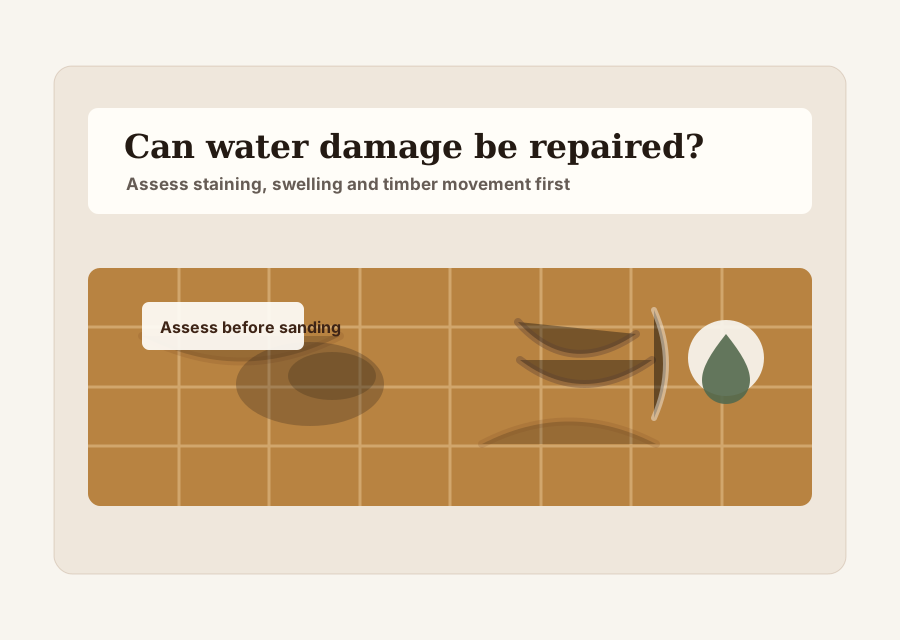
Our guide to water damaged wooden floors explains how moisture can affect timber, parquet and engineered flooring, and when repair or restoration may still be possible.
When repairs may help
Repairs may help when the creak is caused by loose boards, local movement, damaged timber or problem areas that can be stabilised.
This might include securing boards, replacing damaged sections, addressing failed fixings, improving local support or preparing the floor properly before restoration.
Wood floor repairs are often more effective than simply covering the problem with a rug, new finish or another layer of flooring. If the movement remains underneath, the noise may remain too.
Repair work is especially important before sanding. Sanding a moving floor can improve the surface appearance, but it will not solve boards that are loose or unstable.
Where parquet is involved, individual loose blocks may need to be lifted, cleaned, reset and stabilised before the floor is refinished. Engineered floors may need assessment to understand whether the movement is in the boards, joints or subfloor.
A good repair should fit the floor rather than fight it. The aim is usually to reduce unwanted movement while respecting the age, construction and character of the timber.
The most sensible repair depends on the cause. That is why a short description of the noise, where it happens and whether the floor moves underfoot can be useful when asking for advice.
When should you be concerned?
Most creaks are not emergencies. Many are caused by ordinary timber movement, age or minor looseness. However, some signs deserve closer inspection.
Sudden changes are worth noting. If a floor becomes noisy quickly, especially after water exposure, building work or a change in heating, there may be a specific cause.
Significant movement is another warning sign. If boards lift, flex heavily, feel soft, dip underfoot or appear unstable, the issue may go beyond a simple creak.
Water damage, black staining, musty smells, swelling or visible distortion should also be checked. These can indicate moisture-related problems that need attention before finishing work is considered.
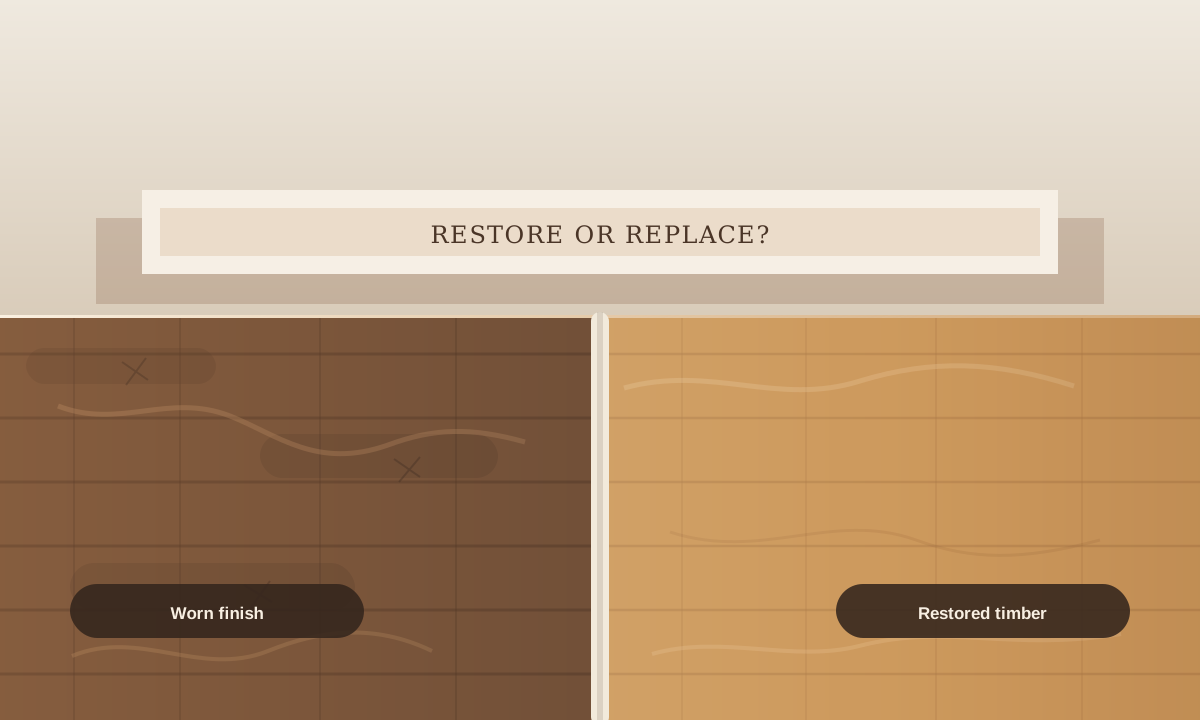
If you are unsure whether the floor is worth repairing or restoring, our guide Is My Wooden Floor Worth Restoring? explains the broader signs we look for when assessing timber floors.
A calm assessment is usually the best approach. The aim is to understand whether the noise is normal, repairable or linked to a deeper issue.
Quick creaking floor guide
Use this guide as a starting point. It cannot diagnose every floor, but it helps separate normal timber noise from issues that may need attention.
Frequently Asked Questions
Why do wooden floors creak?
Wooden floors often creak because boards, fixings or subfloor areas move slightly under pressure. Seasonal timber movement and loose boards are common causes.
Are creaking floorboards normal?
Occasional creaks are often normal, especially in older properties. Persistent creaks, movement, softness or water damage may need closer assessment.
Can loose boards cause creaks?
Yes. Loose boards and fixings are among the most common causes of repeatable creaks in the same area of a room.
Can humidity make floors noisier?
Yes. Changes in humidity can cause timber to expand or contract, which may make gaps, movement and creaks more noticeable at certain times of year.
How do I stop floorboards creaking?
The right solution depends on the cause. Loose boards may need securing, damaged areas may need repair, and deeper subfloor movement may need further investigation.
When should I be concerned about a creaking floor?
Seek advice if the creaking appears suddenly, the floor feels unstable or soft, water damage is present, or there is significant visible movement.