Is floorboard separation normal?
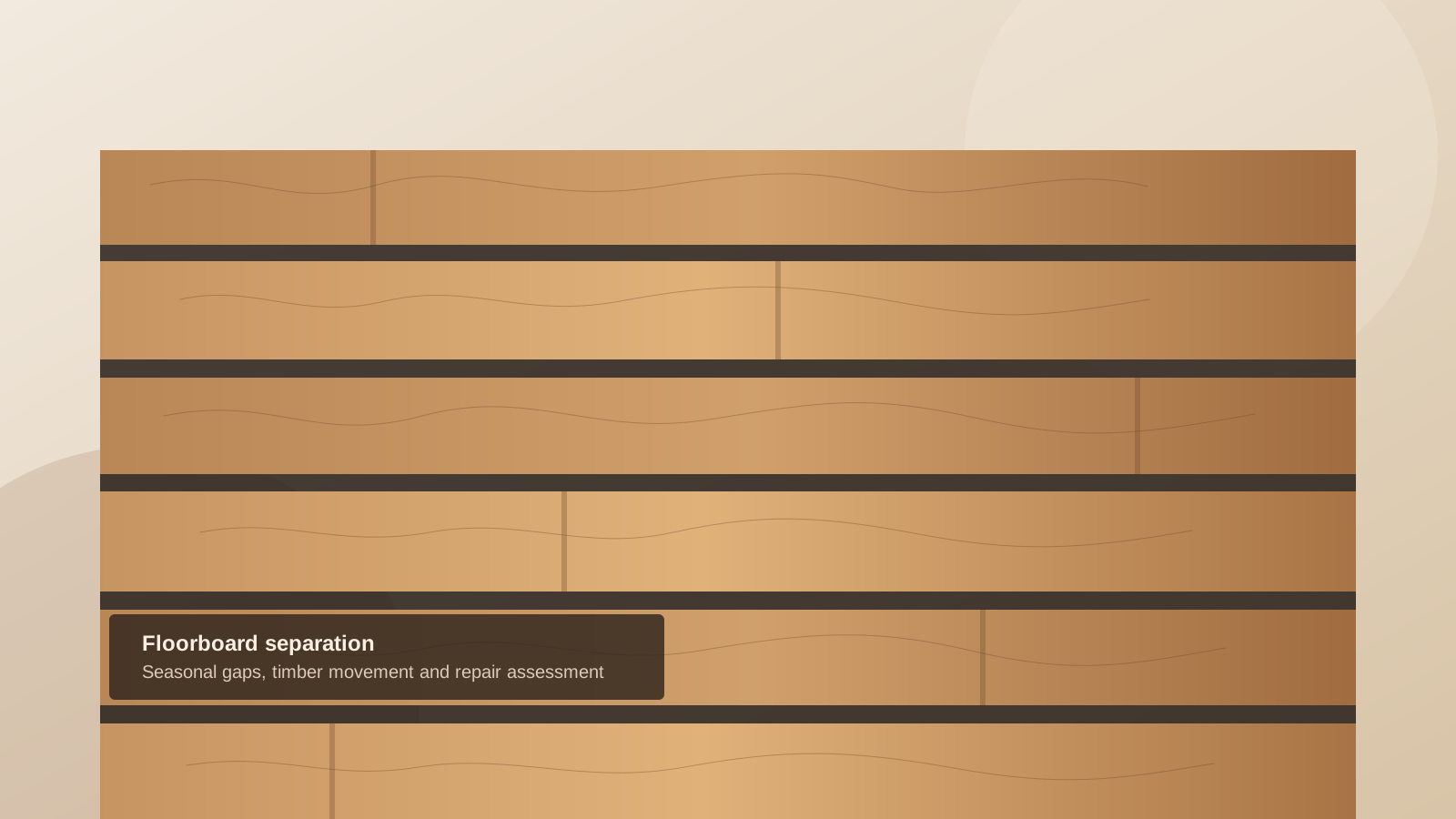
In many homes, yes. Small gaps between floorboards are often a normal part of living with timber. Wood is a natural material, and it responds to the environment around it.
As indoor humidity changes, timber can expand and contract. During drier periods, boards may shrink slightly and gaps become more noticeable. When humidity rises again, some of those gaps may reduce.
Central heating can make this more visible. During colder months, heating systems often dry the indoor air, which can encourage timber to release moisture and contract. Older properties with original floorboards commonly show this seasonal movement.
The presence of a gap does not automatically mean the floor is failing. A stable floor with small, even gaps may simply be behaving as timber should.
The question is whether the movement is normal for the property or whether it is accompanied by other signs such as loose boards, sudden large gaps, water damage, softness, cracking or structural movement.
Seasonal movement and humidity
Wood absorbs and releases moisture from the air. When the air is humid, timber can take in moisture and expand slightly. When the air is dry, it can release moisture and shrink.
This is why floorboard gaps often become more visible in winter. Central heating reduces indoor humidity, especially in homes that are heated for long periods with limited ventilation.
In summer, or during periods of higher humidity, some gaps may partially close again. This movement can happen slowly, so homeowners may only notice it after moving furniture, lifting a rug or seeing lines of shadow between boards.
Ventilation also plays a part. Rooms with different heating, airflow or sunlight exposure may behave differently, even within the same home.
Seasonal movement is usually more noticeable in wider boards, older pine floorboards and rooms with strong temperature changes. It is not necessarily a problem, but it is worth monitoring if the gaps appear suddenly or continue widening.
Timber shrinkage over time
Older floorboards have often been through many drying and heating cycles. Over decades, timber can settle into a pattern of movement, with gaps that open and close slightly through the year.
Original floorboards may already have historic gaps from long-term shrinkage. These gaps can look uneven because older floors were not always installed to the same tolerances as modern flooring.
In many period homes, some separation is part of the character of the floor. The boards may still be structurally sound even if the gaps are visible.
That said, long-term shrinkage can create practical issues. Gaps may collect dirt, create draughts, expose old fixings or make the floor harder to clean.
Whether gaps should be filled or repaired depends on movement, width, floor type and the desired finish. Filling a floor that still moves significantly can lead to filler cracking or falling out later.
This is why a repair plan should consider how the floor behaves, not just how it looks in a single photograph. A gap that appears stable all year may be treated differently from one that opens and closes noticeably with the seasons.
Installation and construction factors
Some floors naturally show more movement than others because of how they are made and installed. Board width, timber species, installation method and subfloor condition all matter.
Wider boards tend to show more visible movement than narrow boards. Softer timbers such as pine may behave differently from oak or other hardwoods.
Installation method also affects performance. Boards that were not properly acclimatised before installation may move as they adjust to the property. In older homes, original boards may have been fitted over joists rather than a modern subfloor system.
Subfloor condition can contribute too. Movement underneath the boards may make gaps look worse or cause boards to loosen over time.
This is why two timber floors in similar homes can behave differently. The visible gap is only one part of the picture; the way the floor is supported and fixed also matters.
When repairs may be needed
Repairs may be worthwhile when gaps are unusually large, boards are loose, the floor feels unstable or the separation creates a trip hazard.
Loose boards should be assessed because movement can worsen over time. A board that moves underfoot may need securing before sanding, filling or finishing is considered.
Damaged boards, split timber, failed previous filler, threshold problems and structural concerns can also point towards repair work rather than simple cosmetic filling.
The aim is not always to remove every visible line between boards. In many older floors, a sympathetic repair keeps the floor stable, practical and characterful without trying to make natural timber look like a modern sheet material.
The same applies when gaps appear suddenly or are accompanied by water damage. In those cases, the cause should be understood before any repair is attempted.
Wood floor repairs can include securing loose boards, replacing damaged sections, addressing thresholds and preparing the floor for restoration.
For a broader assessment of whether an existing floor is worth repairing or restoring, our guide Is My Wooden Floor Worth Restoring? may also help.
Different floor types and gaps
Different floor types show gaps and movement in different ways. The right response depends on the construction of the floor.
Original Pine Floorboards
Original pine floorboards commonly show seasonal gaps, especially in older homes. Some separation is often normal, but loose, split or damaged boards may need repair before sanding or finishing.
Gap filling can be considered in some situations, but it needs to account for ongoing movement.
Oak Floors
Oak floors can move with humidity changes, particularly where boards are wide or room conditions fluctuate. Small seasonal gaps may be normal, while sudden movement or loose boards should be investigated.
A stable oak floor often has good restoration potential, but the cause of any major separation should be understood first.
Parquet Flooring
Parquet gaps may appear between individual blocks or around larger sections of flooring. Loose blocks, adhesive failure and subfloor movement can all contribute.
Parquet floor restoration can involve refixing loose blocks, managing gaps and sanding the floor once it is stable.
Engineered Wood Flooring
Engineered wood is designed for improved stability, but it can still move if affected by moisture, poor installation or unsuitable conditions.
Engineered wood floor restoration begins with assessment because repairs, sanding potential and movement all depend on the floor’s construction and wear layer.
Quick assessment guide
Use this guide as a starting point. It is not a substitute for assessment, but it helps separate normal movement from issues that may need attention.
Frequently Asked Questions
Why are gaps appearing between my floorboards?
Gaps often appear because timber expands and contracts with humidity changes. Winter heating and dry indoor air can make gaps more noticeable.
Do floorboard gaps close again?
Some seasonal gaps may reduce when humidity rises again. Gaps caused by damage, installation issues or long-term shrinkage may not close fully.
Are gaps in old floorboards normal?
Yes, small gaps in old floorboards are often normal. Older timber has usually gone through many seasonal movement cycles.
Should floorboard gaps be filled?
It depends on the floor. Filling may be suitable in some cases, but floors that still move significantly can cause filler to crack or loosen.
Can humidity affect wooden floors?
Yes. Wood absorbs and releases moisture from the air, so humidity changes can cause expansion, contraction and visible gaps.
When should I be concerned about floorboard movement?
Ask for advice if gaps appear suddenly, boards feel loose, water damage is present, the floor feels unstable or movement creates a trip hazard.