What is included in floor sanding?
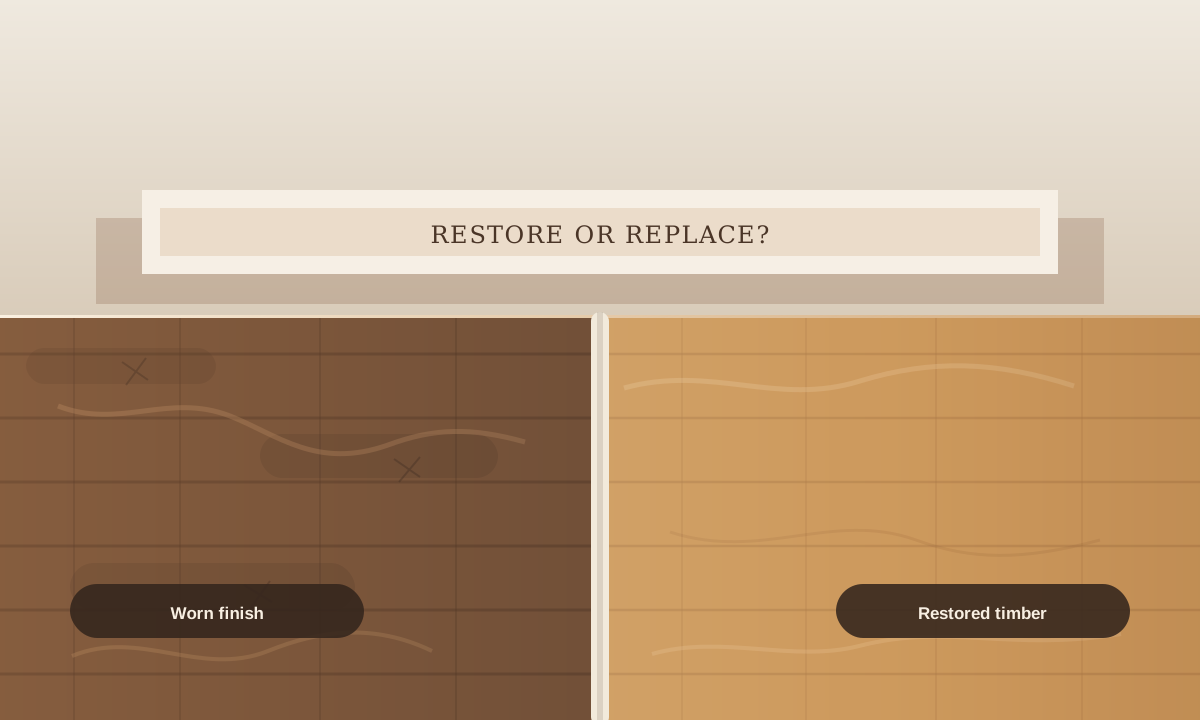
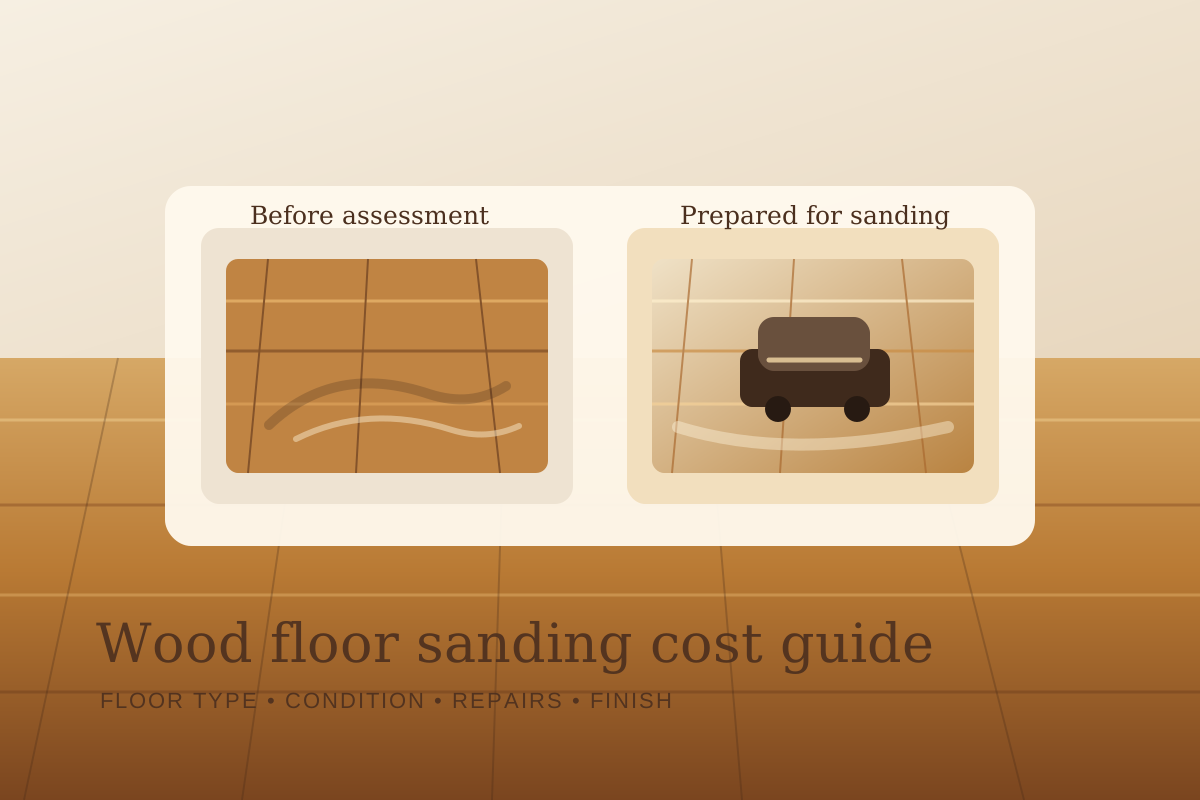
Professional floor sanding is usually more than simply running a machine over the boards. A proper restoration project may include assessment, preparation, repairs, sanding stages, edging work, colour changes, finishing and aftercare advice.
The main advantage is that the existing timber is retained. Instead of removing a usable floor, the worn surface is removed and the timber is prepared for a new protective finish.
Depending on the floor, sanding may be combined with gap work, local board repairs, parquet block repairs or staining. The chosen finish system also matters because lacquer, oil and hardwax oil all have different appearances and maintenance expectations.
Dustless floor sanding is often suitable when the floor is structurally sound but looks tired, scratched, stained or worn through. It can be particularly useful where the timber itself still has plenty of life left.
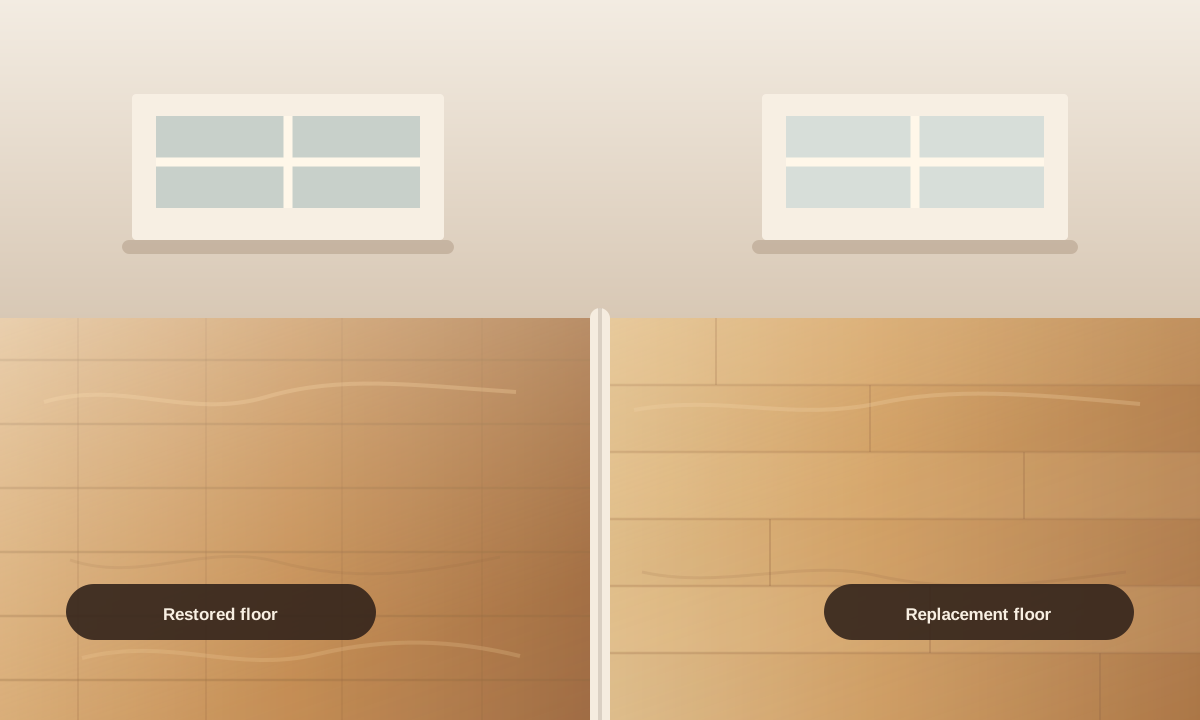
Restoration does not make every floor new, and it is not the right answer in every situation. But where the floor is sound, sanding can turn an existing asset back into a usable, attractive surface without the material cost of a full replacement.
What is included in floor replacement?
Replacement can be the right decision, but it is often more involved than homeowners initially expect. It is not just the price of new flooring that matters.
A replacement project may include removing the existing floor, disposing of old materials, preparing the subfloor, supplying new flooring, installing it, adding trims or thresholds and finishing the floor where required.
Subfloor preparation can change the cost significantly. Once old flooring is lifted, hidden problems may appear, such as uneven levels, damp concerns, damaged boards beneath or unsuitable previous installation work.
New flooring also needs to be chosen carefully. Solid wood, engineered wood, laminate and other floor coverings vary widely in material cost, installation method, lifespan and future restoration potential.
Replacement may also affect skirting boards, doors, fireplaces, kitchen plinths or adjoining rooms. These details can add time, disruption and cost, especially in older properties where floors are rarely perfectly level.
None of this means replacement is a bad option. It simply means the comparison should include the whole project, not just the visible price of the new floor covering.
When restoration is usually more economical
Restoration is usually more economical when the existing timber is sound and the main issues are cosmetic or localised. Original floorboards, parquet floors and solid hardwood floors are often worth assessing before replacement is considered.
Cosmetic wear can look severe. Scratches, worn lacquer, dull traffic lanes, faded colour, surface staining and old varnish can all make a floor look tired. If the structure underneath is still stable, sanding and refinishing may be a more sensible route than removing the floor.
Retaining existing timber can avoid significant material and installation costs. The floor is already in place, already fitted to the room and often already part of the character of the property.
Parquet is a good example. A worn parquet floor may look patchy, loose or dated, but many blocks can be repaired, sanded and refinished. Parquet floor restoration can often preserve a floor that would be expensive to replace like-for-like.
Original pine boards can also be strong candidates where the boards remain stable. Even if some repairs are needed, the total work may still compare favourably with removing the floor, buying new materials and installing a replacement.
The strongest restoration candidates are floors where the problem is mainly surface wear rather than structural failure.
When replacement may make more sense
Replacement may make more sense when the existing floor is unsafe, structurally unstable or too badly damaged for practical restoration.
Severe rot, widespread failure, ongoing moisture problems, extensive water damage and failed engineered flooring can all shift the balance towards replacement. In these situations, sanding may improve appearance temporarily but not solve the underlying issue.
If boards are soft, crumbling or moving across large areas, the floor needs more than a surface finish. The same is true where a floor has been sanded too many times and no longer has enough usable timber for another restoration.
Engineered flooring needs particular care. Some engineered floors can be sanded or restored, but others have thin wear layers or delamination that make restoration risky or unsuitable.
Our guide to water damaged wooden floors explains why moisture-related damage needs individual assessment. Some affected floors can be repaired, while others are better replaced.
These situations are less common than many homeowners fear, but they do occur. A balanced recommendation should explain when replacement is justified rather than pushing restoration at all costs.
Cost is not the only consideration
The cheapest option on paper is not always the best value. A decision between sanding and replacement should also consider disruption, waste, environmental impact, character, timescale and long-term performance.
Restoration often creates less waste because usable timber is kept in place. It can also preserve original materials and period features, which matters in older homes where the existing floor is part of the property’s character.
Disruption can be different too. Sanding and finishing still requires preparation, access, drying or curing time and some temporary inconvenience. Replacement may involve lifting old flooring, subfloor work, deliveries, installation and possible adjustments to doors or trims.
Timescale depends on the size and condition of the floor. A straightforward sanding project may be quicker than replacement, but a floor needing extensive repairs can take longer.
Long-term value also matters. A well-restored timber floor can often be maintained and refreshed in future. Some replacement products have limited future restoration potential, so the initial saving may not tell the whole story.
The best value option is the one that gives a sound, attractive and practical floor for the way the home is used.
Restoration versus replacement by floor type
Different floor types create different cost comparisons. The same level of wear can lead to different advice depending on whether the floor is pine, oak, parquet or engineered wood.
Original Pine Floorboards
Original pine floorboards are often worth assessing before replacement. They may have gaps, nail marks, old staining and surface wear, but they can also have character that new flooring does not replicate.
Restoration may involve repairs, sanding, filling where appropriate and finishing. Replacement may be sensible where boards are rotten, unstable or too thin, but age alone is not a reason to remove them.
Oak Floors
Solid oak and hardwood floors are often good restoration candidates if enough timber remains. They can usually be sanded, refinished and protected again when the main issue is wear rather than structural failure.
Replacing a good quality oak floor can be costly, especially once material, installation and finishing are included. If the existing oak is sound, restoration is often worth comparing carefully.
Parquet Flooring
Parquet can be expensive to replace like-for-like because the pattern, block size and installation method add complexity. Loose blocks and worn finishes may look serious, but they are often repairable.
Replacement may be needed where the subfloor has failed extensively or the blocks are too badly damaged across large areas. Otherwise, repair-led restoration is often worth exploring.
Engineered Wood Flooring
Engineered wood flooring depends heavily on the thickness and condition of the real wood wear layer. Some floors can be restored successfully, while others cannot safely be sanded.
Engineered wood floor restoration starts with assessment. If the wear layer is adequate and the boards are stable, restoration may be possible. If the floor has delaminated, swollen or worn through, replacement may be more sensible.
How to compare your options
The most useful comparison starts with condition. Is the structure sound? Is the timber thick enough? Are repairs practical? Is the floor moving, stained, rotten or water damaged?
Next, think about the finish you want. If you want to change colour, remove old coatings or achieve a completely fresh finish system, sanding may be required. If the floor only needs a lighter maintenance refresh, a lower-intervention restoration may be possible.
Consider the long-term plan for the property. If you are keeping the home, preserving a good timber floor may be worthwhile. If the floor is unsafe or unsuitable for the room, replacement may provide a better long-term result.
Photos can help with early advice. A full room image, close-ups of worn areas, thresholds, loose boards, parquet movement and any signs of moisture all give useful context.
You can request a quote and send photos through the form. We can usually advise whether restoration, repairs, sanding or replacement appears most sensible before you commit to a route.
For a broader condition-led view, our guide Is My Wooden Floor Worth Restoring? explains how to judge whether an existing floor is a realistic restoration candidate.
Quick comparison guide
This comparison is a practical starting point. The right answer still depends on the condition of the floor, the desired finish and the amount of repair work needed.
Frequently Asked Questions
Is floor sanding usually cheaper than replacement?
Floor sanding is often more economical when the existing timber is sound, but the final comparison depends on repair work, floor type, finish choice and the cost of a suitable replacement.
Can old floorboards be restored instead of replaced?
Many old floorboards can be restored if they are stable and have enough usable timber. Repairs may be needed before sanding and finishing.
Is parquet restoration cheaper than replacement?
Parquet restoration can often compare well with like-for-like replacement because new parquet installation is labour-intensive. The condition of the blocks and subfloor still matters.
When should a floor be replaced?
Replacement may be more sensible where the floor is rotten, structurally unsafe, severely water damaged, over-sanded or unsuitable for the room.
Does restoration increase property appeal?
A well-restored wooden floor can improve the appearance and character of a room, especially where original timber or parquet is retained.
How do I know which option is best?
Start with the condition of the existing floor. Photos and an assessment can usually show whether sanding, repairs, restoration or replacement is likely to offer the best value.