What is included in professional floor sanding?
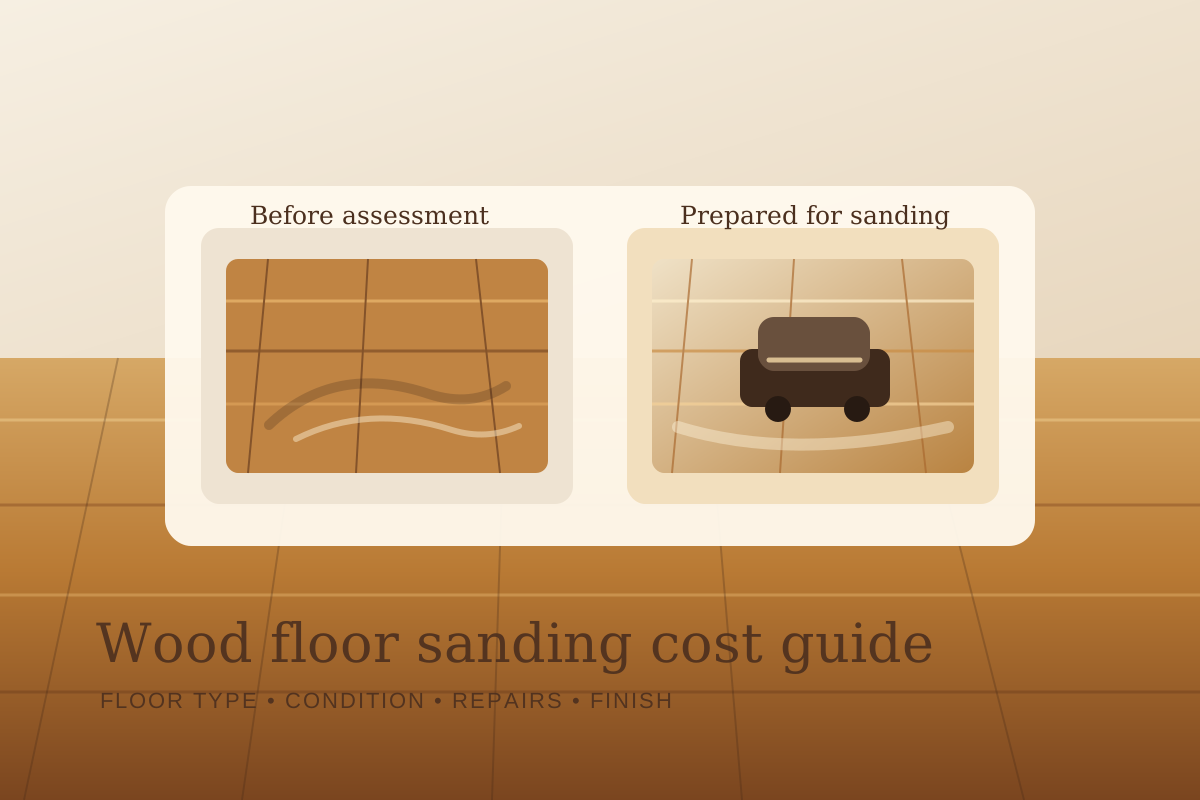
A professional floor sanding project usually begins before any machine touches the timber. The floor needs assessing, the room needs preparing and any obvious risks need identifying. That might include loose boards, old nails, damaged parquet blocks, gaps, previous coatings, staining or signs of moisture.
The sanding itself is only one part of the overall process. A good restoration project often includes assessment, preparation, repair work, multiple sanding stages, edging, detail work, finish selection, finish application and aftercare advice.
This is one reason professional quotes can look higher than machine hire. You are not only paying for access to a sander. You are paying for the sequence of decisions that help the floor look even, feel smooth and wear properly once the work is complete.
Every floor is different. A simple pine floorboard restoration may be relatively straightforward, while a parquet floor with movement and old adhesive failure needs a more careful repair-led approach before sanding and finishing.
Equipment differences
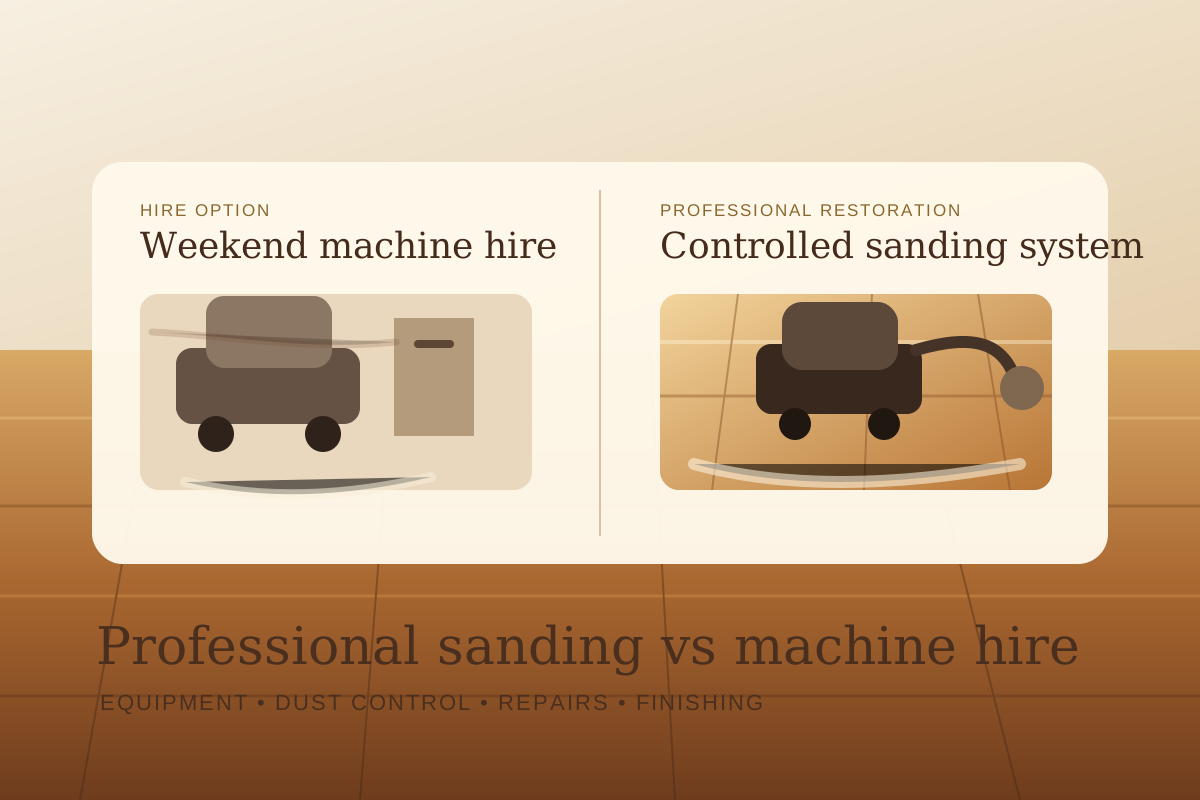
Professional sanding systems are designed for regular commercial use. They are built for stability, dust extraction, consistent sanding pressure and more controlled results across different types of timber.
Hire machines can be useful for some projects, but they are usually more basic and can be harder to control if you are not used to them. Machine handling matters because the floor records mistakes quickly. Hesitation, uneven pressure or poor sanding sequences can leave marks that are difficult to blend out.
Professional work also uses more than one machine. Main sanding, edge sanding and detail work all need different tools. Edges, corners, thresholds, fireplaces and tight areas are often where DIY projects start to look uneven because the main machine cannot reach them properly.
Parquet can be even more demanding. The grain direction changes across the pattern, so sanding technique needs to protect the layout rather than simply following one board direction. Specialist experience is often more important than the machine alone.
Dust control systems
Modern professional sanding uses dust-controlled systems to make the process cleaner and more practical inside homes and commercial spaces. Effective extraction makes a noticeable difference to dust capture and clean-up.
Dust control matters for comfort, clean-up and finish quality. Fine sanding dust can settle on surfaces and can interfere with finish application if the room is not prepared and cleaned properly between stages.
WoodXpert uses dust-controlled wood floor sanding systems designed to capture dust at source wherever possible. This helps reduce mess compared with basic sanding setups and supports a better finishing environment.
The dust-control element is part of the cost difference. Professional extraction equipment, maintenance, abrasives and setup all contribute to a cleaner and more controlled project.
Repairs and preparation work
Many DIY sanding projects focus on the sanding machine and overlook the condition of the floor itself. Loose boards, gaps, damaged timber, failed filler, threshold problems and loose parquet blocks can all affect the final result.
Professional restoration often includes repair advice before sanding begins. Some repairs are small, such as securing a board or dealing with a damaged threshold. Others are more involved, such as replacing damaged timber, stabilising movement or lifting and re-fixing parquet blocks.
WoodXpert provides wood floor repairs as part of the restoration process where needed. For block and herringbone floors, parquet floor restoration may involve assessing adhesive failure, replacing missing blocks and preparing the floor carefully before refinishing.
Preparation affects durability as well as appearance. If a floor is moving, damaged or uneven before finishing, a new coating will not solve the underlying problem.
Finishing systems
The finish often determines how the floor performs long after sanding is complete. This is another area where professional sanding differs from a simple machine-hire comparison.
Finish choice can include lacquer systems, oils, hardwax oils, stain colours and maintenance coatings. Each has a different look, drying profile, level of durability and maintenance requirement. Busy family homes, commercial areas and character floors may all call for different finish choices.
Application technique matters too. Uneven sanding, poor dust removal, incompatible products, rushed drying times or heavy application can affect the look and performance of the finished floor.
WoodXpert offers wood floor staining and finishing advice so the finish is matched to the timber, the room and how the floor will be used. The goal is not simply to make the floor look good on the day, but to protect it sensibly afterwards.
Common DIY sanding mistakes
DIY floor sanding can work well for some people, especially those who are practical, patient and comfortable learning a new process. It is not something to dismiss automatically. The challenge is that mistakes can be visible and sometimes expensive to correct.
Common issues include uneven sanding, drum marks, chatter marks, over-sanding, edge differences, missed old finish, sanding across the grain, poor abrasive progression and finish application problems.
Edges are a frequent giveaway. A room can look acceptable in the middle but uneven around skirting boards, fireplaces, alcoves or thresholds. If those areas are not blended properly, the finished floor can show a halo or uneven border.
Over-sanding is another risk. Removing too much timber can shorten the life of a floor, and on engineered wood it can be especially serious because the real wood wear layer is limited. Some floors have already been sanded before, so there may be less timber available than expected.
None of this means DIY always fails. It means the risk profile is different. A low-risk utility area is not the same as a valuable parquet floor, a main living room or an engineered oak floor with limited sanding depth.
Cost versus value
Machine hire usually looks cheaper at the start because the visible cost is simple: hire the machine, buy abrasives and choose a finish. Professional sanding includes labour, equipment, experience, insurance, dust control, preparation, finish knowledge and responsibility for the finished process.
The value is often found in consistency. Professional restoration can reduce disruption, improve finish quality, avoid common mistakes and help the homeowner make better decisions about repairs, colour, sheen and aftercare.
A good professional will also tell you when full sanding is not the best answer. Some floors may be better suited to sandless restoration, local repairs or replacement. That advice can be more valuable than simply hiring equipment and hoping the floor responds well.
DIY can be good value where the floor is low-risk and the homeowner is happy to spend time learning. Professional sanding tends to make more sense where the floor is important, the finish quality matters, the timber is valuable or repairs are involved.
When DIY may be suitable
There are situations where DIY sanding may be reasonable. A small utility area, workshop, outbuilding or low-risk room can be a useful place for a practical homeowner to learn. Some people genuinely enjoy restoration work and are happy to accept a less polished result in exchange for the experience.
DIY is usually less suitable where the floor is parquet, engineered, heavily stained, loose, valuable, historically interesting or central to the look of the home. These floors often need judgement before sanding begins.
If you are unsure, photos can help. You can send us photos and ask whether the floor looks suitable for professional restoration, DIY work, repairs or a closer inspection.
The most important point is to match the approach to the floor. Machine hire, sandless restoration, full sanding and replacement all have a place. The right answer depends on the condition of the timber and the result you want to achieve.
Frequently Asked Questions
Why is professional floor sanding more expensive?
Professional sanding includes assessment, preparation, specialist equipment, dust control, repair advice, finishing systems, labour, insurance and experience. Machine hire usually only covers access to basic equipment.
Are hire sanding machines any good?
Hire machines can be useful for some low-risk DIY projects, but they can be harder to control than professional systems and may not include the same dust control, edging options or finish support.
Can I sand parquet flooring myself?
Some experienced DIYers may attempt parquet, but it is higher risk because loose blocks, changing grain direction, adhesive failure and pattern preservation all need careful handling.
Do professionals use different machines?
Yes. Professional floor sanding usually involves commercial sanding systems, edging tools, dust extraction and detail equipment chosen for the specific floor type and condition.
Why do professional finishes last longer?
A professional finish can last longer because the floor is prepared carefully, dust is controlled, compatible products are selected and drying or curing times are managed properly.
Is DIY floor sanding worth it?
DIY sanding can be worthwhile for low-risk areas if you are comfortable learning and accepting the result. Professional sanding is usually safer for valuable timber, parquet, engineered floors or rooms where finish quality matters.