What causes scratches on wooden floors?
Wooden floor scratches usually come from everyday use rather than one obvious event. Grit, footwear, furniture movement, pets, dropped objects and repeated traffic can all mark the finish over time.
Some scratches affect only the protective coating. These may appear as pale lines, dull scuffs or marks that catch the light from certain angles. Others go through the finish and into the timber itself.
Footwear can bring in tiny stones and grit from outside. Dining chairs can create repeated marks when they are pushed in and out. Sofas, tables and storage furniture can scratch the floor if they are dragged instead of lifted.
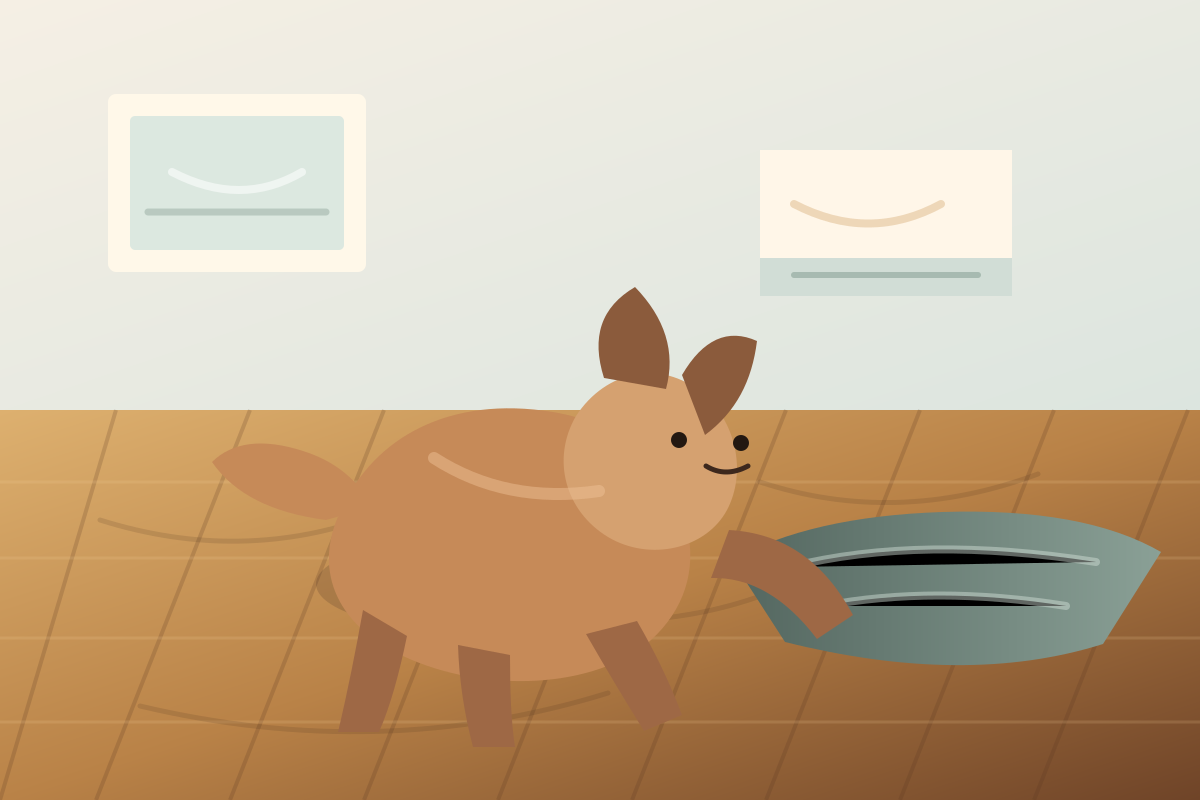
Pets can add wear too, especially where dogs turn quickly, run through the same route or bring grit in on their paws. Dropped toys, tools, keys and household items can also leave local marks.
Many scratches develop gradually. A floor may look fine after one busy weekend, but repeated abrasion across the same routes can slowly dull the finish and make marks more visible.
Why grit is often the biggest problem
Grit is easy to underestimate because it is often too small to notice until the floor starts looking dull. Tiny particles from paths, driveways, gardens and streets can sit on the surface and abrade the finish as people walk across it.
Entrance areas usually show this first. Hallways, garden doors, kitchens and routes from external doors tend to collect more outdoor debris than quieter rooms.
Small stones can cause obvious scratches, but fine dirt can be just as damaging over time. It works gradually, especially in high-traffic areas where the same path is used repeatedly.
Regular grit removal is one of the most effective ways to protect a wooden floor. Soft sweeping, suitable vacuuming and microfibre cleaning all help remove abrasive particles before they are walked through the home.
Our guide on how to clean a wooden floor properly explains safe cleaning methods, including how to remove dirt without soaking or damaging the finish.
Entrance mats can help, but they should be kept clean. A dirty mat can become a source of grit rather than a barrier against it.
Protecting floors from furniture damage
Furniture scratches are very common, but many are preventable. Dining chairs, desk chairs, stools and moveable tables create repeated contact with the floor, so they deserve particular attention.
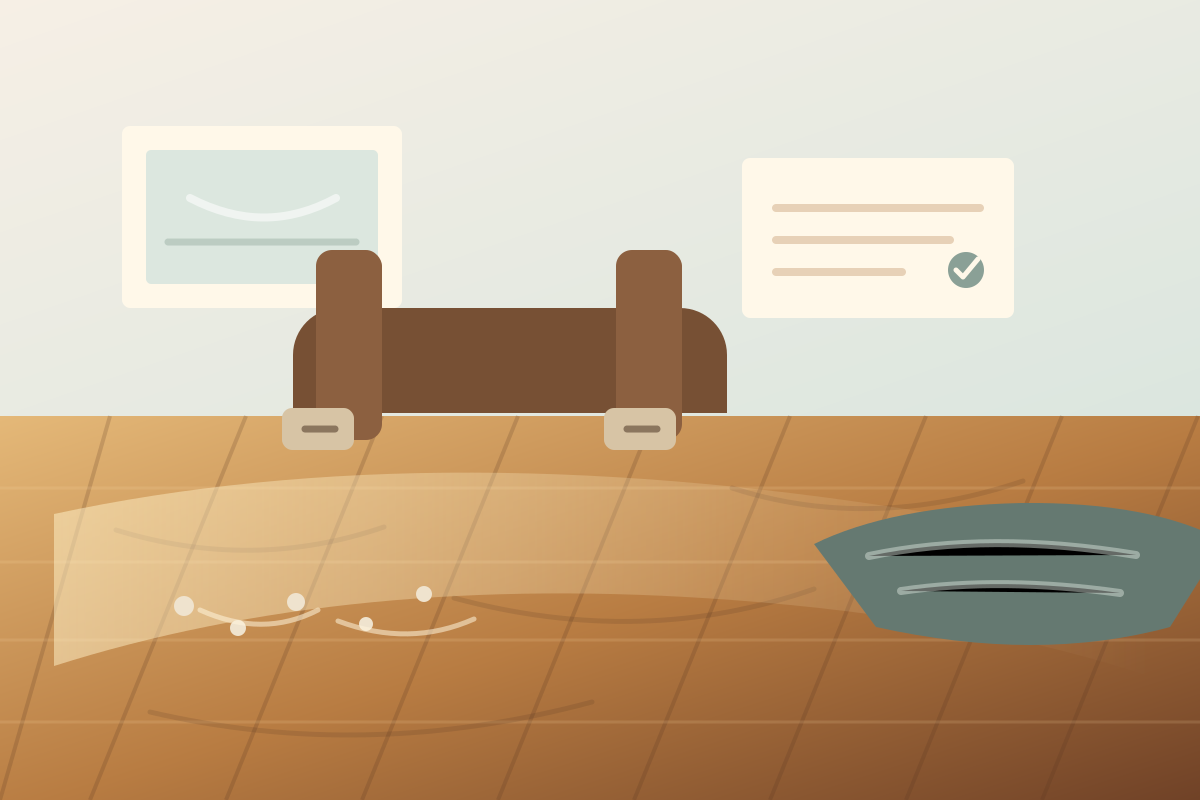
Felt pads are one of the simplest forms of protection. They spread contact, reduce friction and help furniture move more gently across the finish. They only work properly when they are clean, secure and replaced when worn.
Heavy furniture should be lifted rather than dragged. If an item is too heavy to lift safely, use suitable protection and take time. A few seconds of dragging can leave a mark that takes far longer to repair.
Check the underside of furniture occasionally. Damaged chair legs, exposed screw heads, rough timber, metal glides and worn plastic feet can all scratch a wooden floor.
Pets and wooden floors
Pets and wooden floors can work together successfully, but the floor needs realistic care. The main issues are claws, grit on paws, active movement and moisture around bowls or entrances.
Dog claws can mark the finish, especially when nails are long or a dog turns quickly. Regular nail care can reduce visible wear, particularly on routes the dog uses every day.
Grit on paws is often a bigger issue than claws alone. After wet or muddy walks, wiping paws before the dog crosses the floor can prevent dirt being carried through the house.
Active dogs may create wear near garden doors, hallways, kitchens and favourite routes to sofas or beds. Strategic runners and entrance mats can reduce concentrated abrasion in these areas.
Our guide on how to protect wooden floors from dogs covers nail care, paw cleaning, feeding areas and long-term pet-friendly maintenance in more detail.
The aim is not to treat pets as a problem. It is to understand how wear happens and make the floor easier to live with.
Choosing a durable finish
Finish choice affects both protection and how visible scratches become. Different finishes behave differently, and the right choice depends on the room, household and maintenance expectations.
Modern lacquer systems are often chosen for busy homes because they create a protective surface coating and are generally straightforward to clean. Matt and extra matt sheens can also make fine scuffs less noticeable because they reflect less light.
Oil and hardwax oil finishes can be attractive and repairable in some situations, but they usually need more active maintenance. In a busy home, that maintenance commitment should be considered before choosing the finish.
The best finish is not only about strength. It is also about cleanability, scratch visibility, future maintenance and how the room is used.
Our guide to the best finish for families with dogs explains how finish type and sheen affect homes with pets, children and frequent traffic.
Many homeowners also ask about Bona Traffic HD, a professional lacquer often selected for demanding domestic environments. Even durable finishes still need regular grit removal and sensible aftercare.
Cleaning routines that reduce wear
Good cleaning is often the most cost-effective form of floor protection. It reduces abrasive dirt, keeps the finish clear and helps you spot wear before it becomes severe.
Vacuuming or sweeping should focus on entrances, hallways, kitchens and routes where people or pets move most often. Use tools suitable for hard floors and avoid rough brush heads or damaged wheels.
Dust removal matters because fine particles can dull the finish when walked across repeatedly. Microfibre pads are useful when used lightly and kept clean.
Entrance mats help reduce outdoor debris, but they need regular cleaning. A mat full of grit can transfer dirt back onto the floor.
Spill management is part of scratch prevention too. Moisture can soften dirt, carry contaminants into gaps and affect damaged finish. Clean spills promptly without soaking the floor.
Avoid harsh chemicals, abrasive pads, soaking mops and steam cleaning unless the floor manufacturer or finish system specifically allows it. A simple routine carried out consistently is usually safer than aggressive cleaning.
What to do if scratches already exist
If scratches already exist, start by assessing their severity. Light surface marks, deeper scratches through the finish and gouges into the timber may all need different solutions.
Surface scratches may improve with careful cleaning, maintenance or a lower-intervention restoration process if the finish is still mostly intact.
If the floor looks dull across a wider area but the timber is not badly damaged, sandless wood floor restoration may be suitable in some cases. This depends on the finish type and depth of wear.
Deeper scratches, worn-through areas or floors needing a full change of finish may require dustless floor sanding. Sanding removes the worn surface and prepares the timber for a new protective finish.
Our guide asking whether deep scratches be removed explains when sanding, repairs or local work may be needed.
If scratches are linked to loose boards, damaged parquet blocks or missing timber, repair work may be required before refinishing. The right route depends on the floor condition, not just the number of visible marks.
Quick scratch prevention guide
These simple habits can significantly reduce visible wear. They are most effective when used consistently as part of normal floor care.
Frequently Asked Questions
How do I stop scratches on wooden floors?
You cannot remove all risk of scratches, but you can reduce them by removing grit regularly, using entrance mats, fitting felt pads, lifting furniture, caring for pet nails and maintaining the floor finish.
What causes most floor scratches?
Many scratches are caused by grit and dirt being walked across the finish. Furniture movement, footwear, pets and dropped objects can also contribute.
Can dogs scratch wooden floors?
Dogs can mark wooden floors, especially if nails are long or grit is carried in on paws. Nail care, paw cleaning and suitable finishes help reduce visible wear.
Do felt pads really help?
Yes. Clean, well-fitted felt pads can significantly reduce scratches from chairs, tables and moveable furniture, but they should be checked and replaced when worn.
What is the most durable floor finish?
Durability depends on the finish system, preparation, traffic and maintenance. Modern professional lacquers are often chosen for busy homes because they provide strong surface protection.
Can existing scratches be repaired?
Many scratches can be improved through maintenance, restoration, sanding or repair. The best option depends on whether the scratch affects the finish only or cuts into the timber.